Madu Ganga: A Green Tunnel, the Scent of Cinnamon and a Buddha Who Isn't Afraid of the Rain
📍 Balapitiya – Madu Ganga River
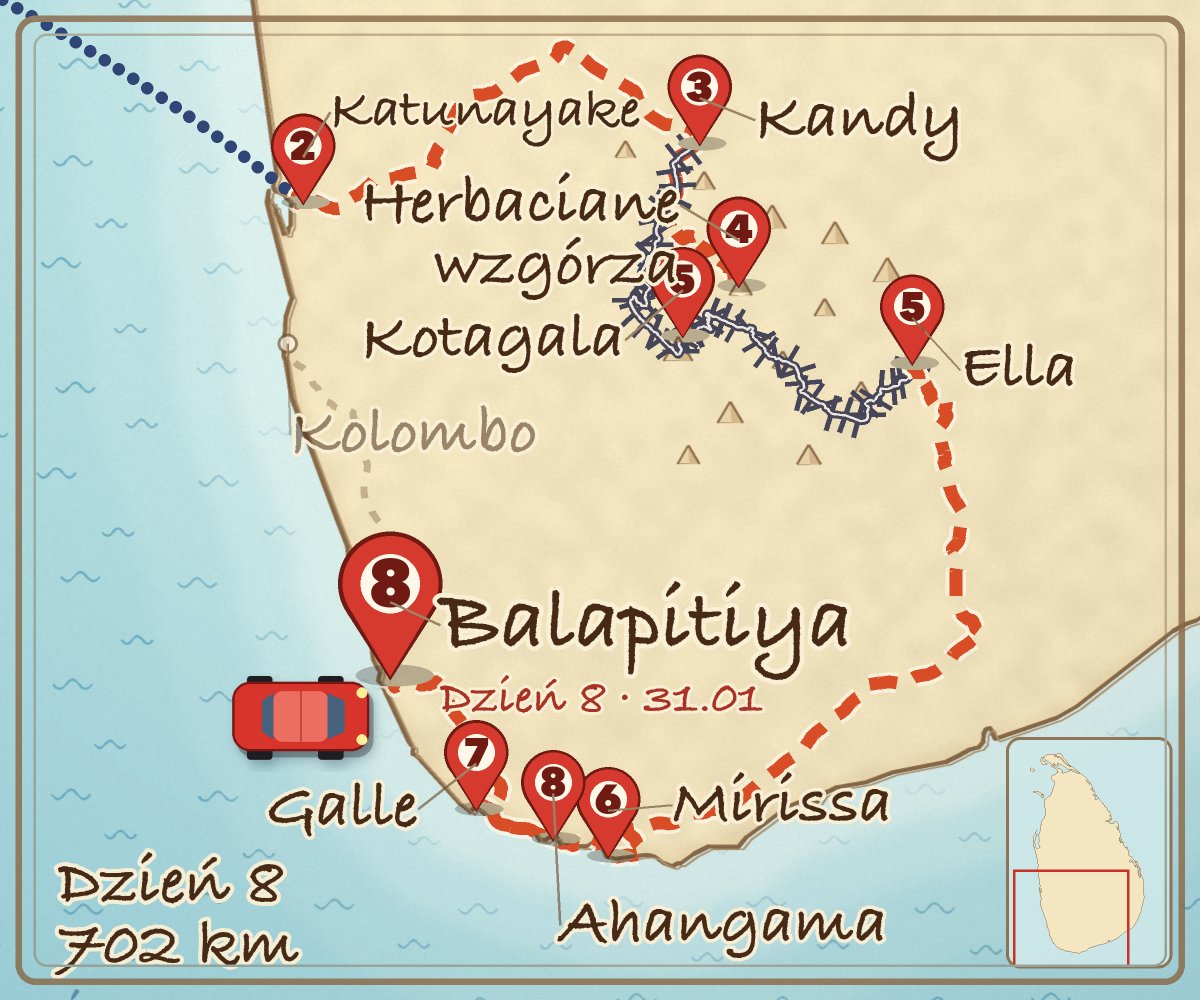
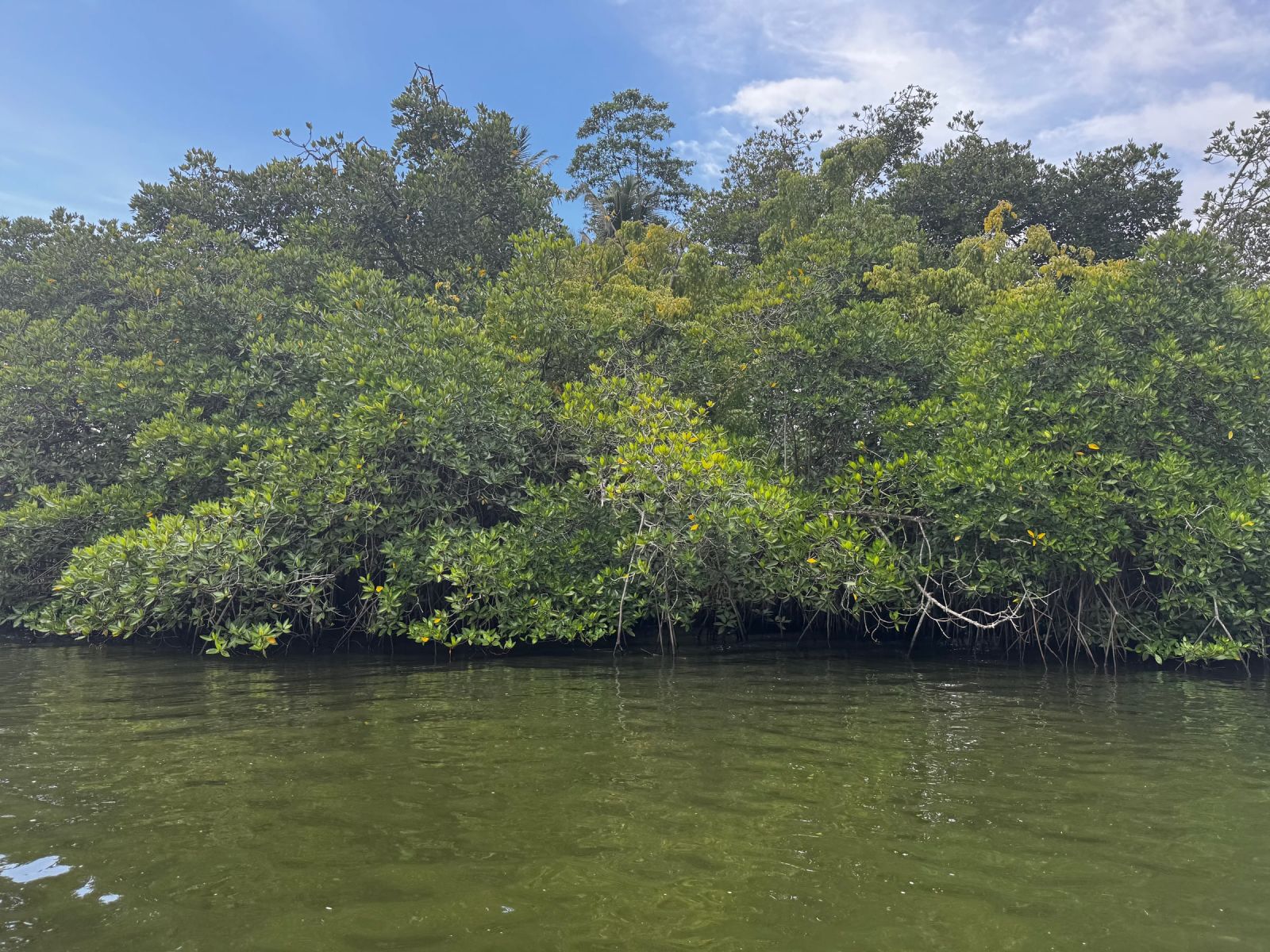
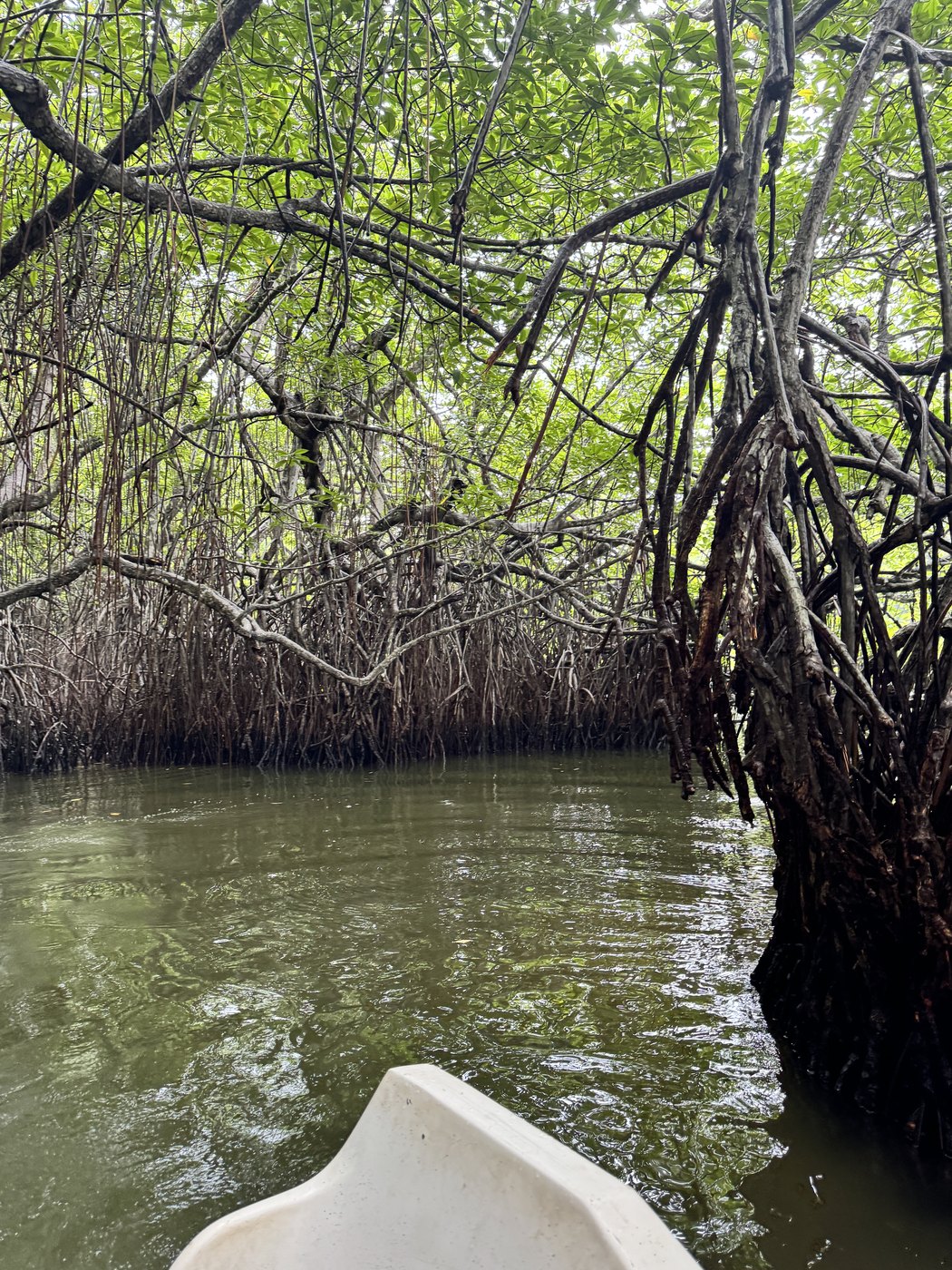
Imagine the boat suddenly slowing down, the engine fading to a barely audible purr, and a green canopy closing over your head. On both sides, hundreds of tangled dark roots rise from the water, like fingers someone dipped into the river and forgot to pull out. The air is heavy and humid, smelling of mud, leaves and approaching rain. After our morning with the turtles in Ahangama, we drove a little way north to Balapitiya to hop on a boat and let the Madu Ganga River carry us away.
A River Pretending to Be a Maze
Madu Ganga is no ordinary river. Just before it reaches the ocean, it spreads into a wide, shallow lake dotted with islets, its banks covered in dense mangroves. Since 2003 this wetland ecosystem has been protected under the Ramsar Convention. We set off from the Buddhi Boat Safari jetty just after one in the afternoon: the sky still blue, coconut palms leaning over the water, colourful boats bobbing by the shore. A white egret perched on a fallen branch, while we, settled into red plastic chairs, caught the wind on our faces.
A jetty teeming with life Our first stop turned out to be a wooden jetty under a tin roof. The boards creaked underfoot, and between them were pools swarming with hundreds of fish. All you had to do was lean over and the water would boil with reddish backs and gaping mouths. You stand there, looking out over the wide river where boats full of tourists glide by, and it hits you that this water has fed entire villages here for generations.
A moment later we sailed out onto the open lagoon. The sky began to darken, the wind rippled the water, and ahead of us appeared a wooden house on stilts, as if someone had built a hut right on the river and forgotten all about dry land.
Cinnamon – the Treasure Galleons Sailed For
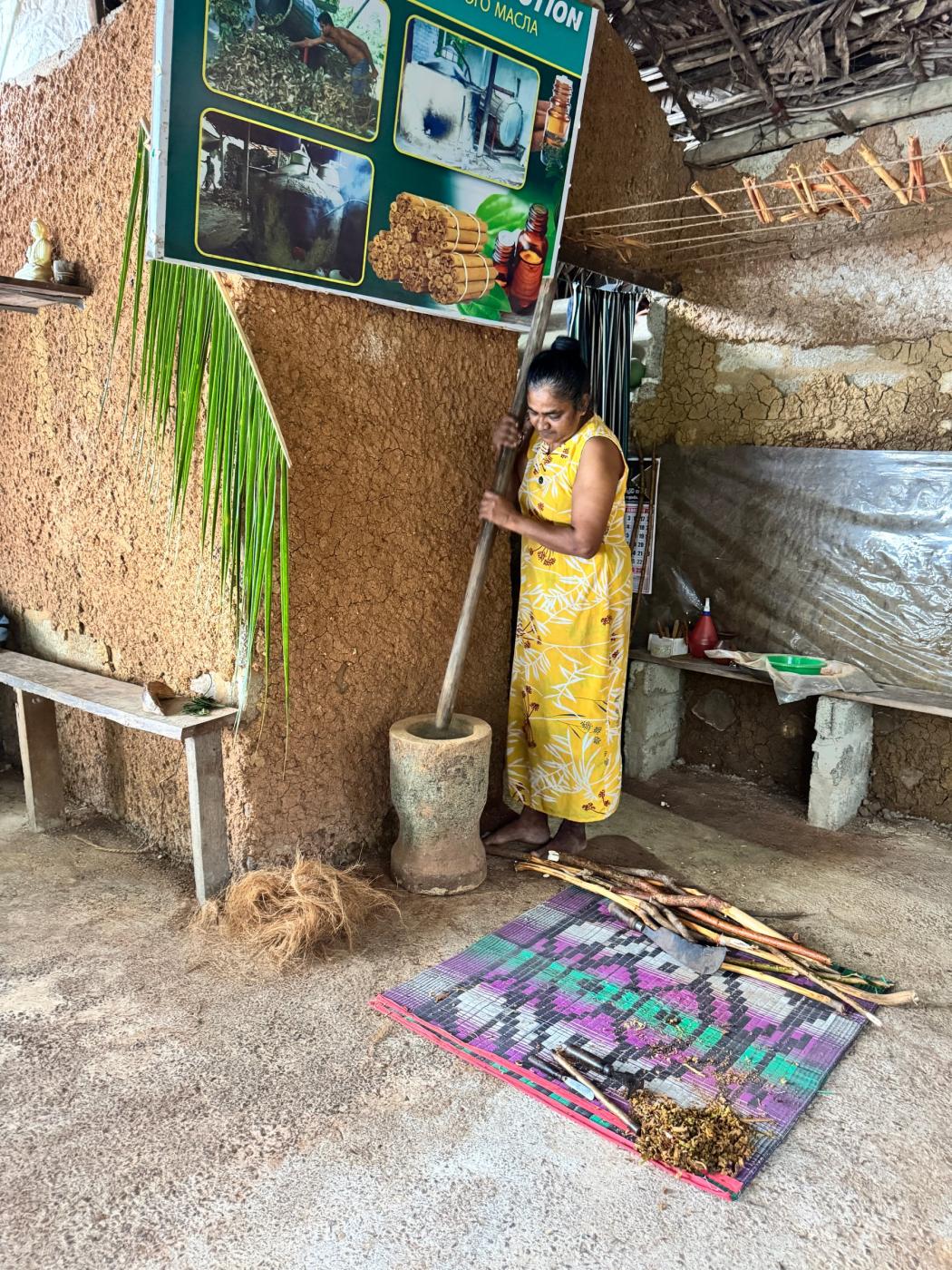
The next islet smelled so intense that we caught the scent before the boat even touched the shore. In a hut with clay walls, a woman in a yellow dress, sitting barefoot on a colourful mat, showed us how bark is stripped from thin twigs. A stroke of the knife, a rolled-up quill, then another. Beside her stood a stone mortar with a long wooden pestle. It was Ceylon cinnamon – the "true" one, more delicate than Asian cassia – that lured the Portuguese to the island, and later the Dutch. Today you can simply smell it, and at the end you get a small glass of warm cinnamon tea. We clinked our glasses like a toast, gazing at the river between the palms.
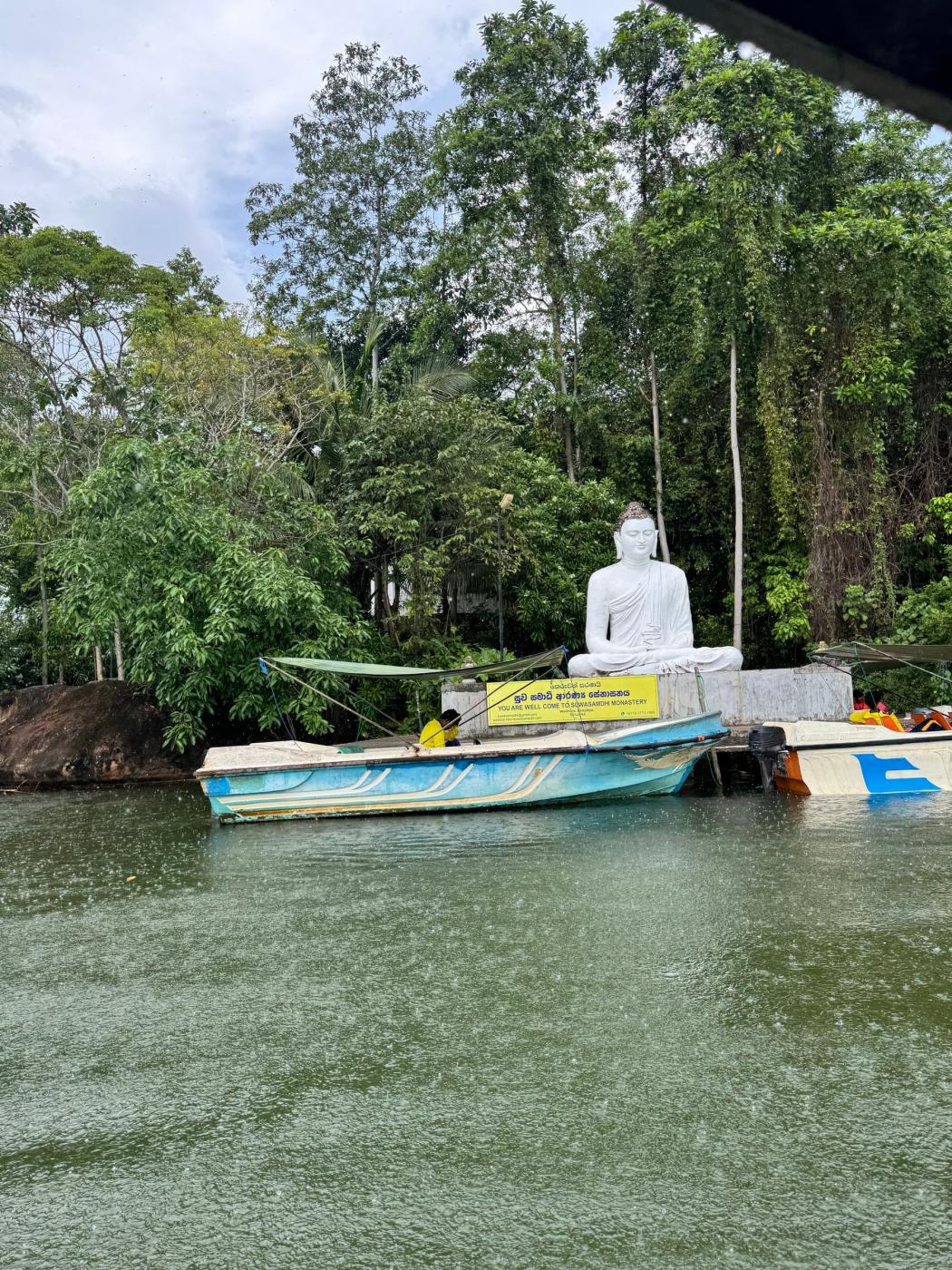
The rain came to claim its due As we pulled away, the sky turned steel grey. First a few drops, then a tropical downpour that turned the river's surface into a million tiny craters. Look at this photo: a white, serene Buddha sits on the bank among the trees, boats are moored at the quay, and the rain drums on the water. We hid under a tarp; he didn't even flinch.
The Green Tunnel
And then we entered the mangroves. The channel narrows so much you can touch the roots with your hand. Prop roots hang from the branches and plunge into the mud, forming living arches under which the boat squeezes through inch by inch. In one spot, a thick, twisted branch forms a natural frame – perfect for a photo together. Mangroves are a natural marvel: they tolerate salt water, protect the shore from erosion and serve as a nursery for fish and crabs. Close your eyes: all you hear is dripping from the leaves and water lapping against the hull. You open them, and in the thicket by the bank a blue speck flashes past. A kingfisher! Moments later, high up in a treetop, the dark silhouette of a monkey watched us with an air of clear superiority.
We returned to the jetty soaked, smiling and feeling that for an hour and a half we had been in a completely different world. A souvenir photo under the little roof with the sign, and one last glance at the river. Only Colombo lies ahead now, but that scent of cinnamon and the sound of rain in the mangroves will stay with us longer than we expected. You can smell it already, can't you?
🧭 Next stages of this trip
This isn't the end — see what happened next
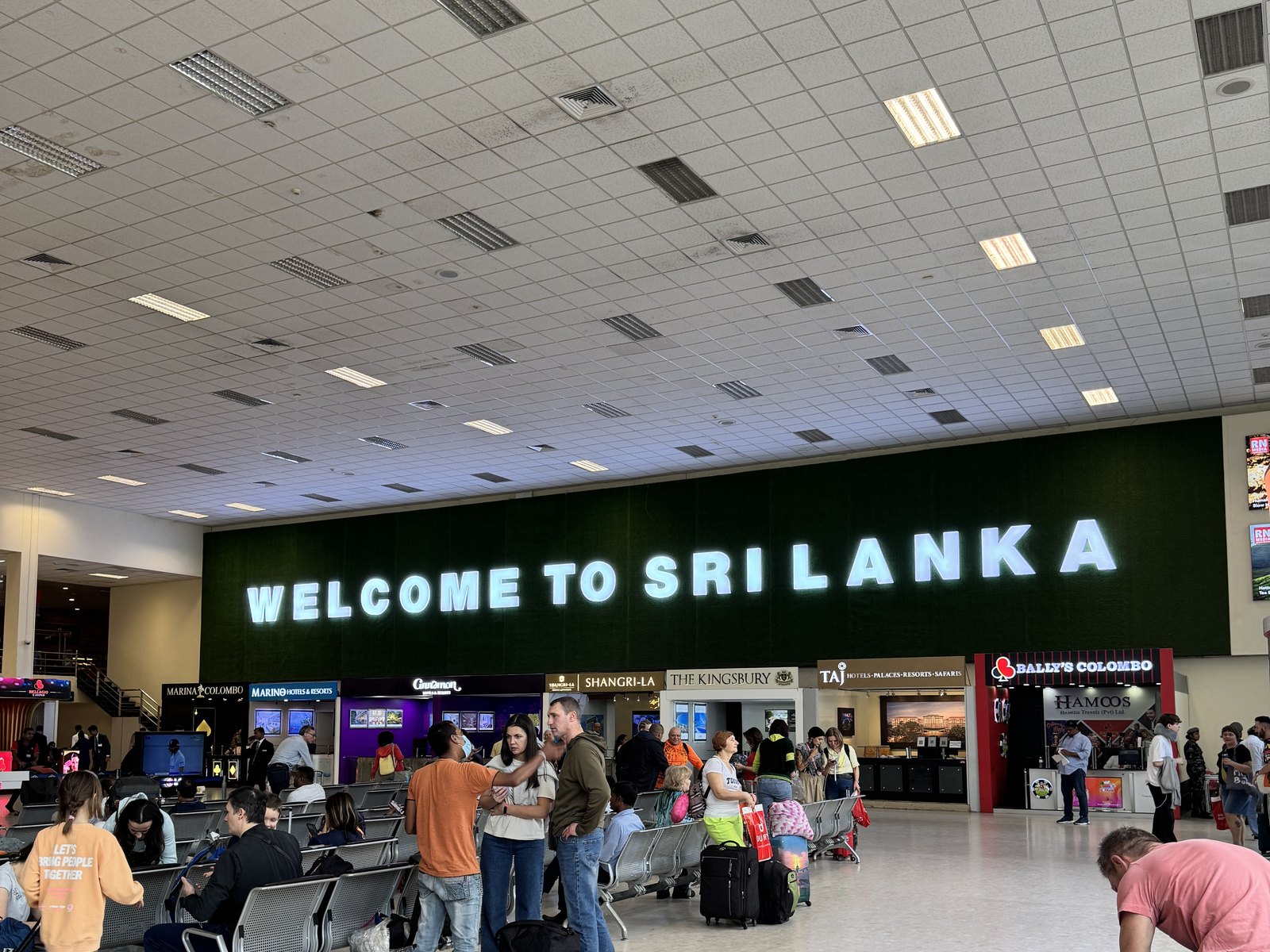
Ayubowan, Sri Lanka! The first day between the runway and the castle on the hill
📍 Katunayake – Kandy
👀 552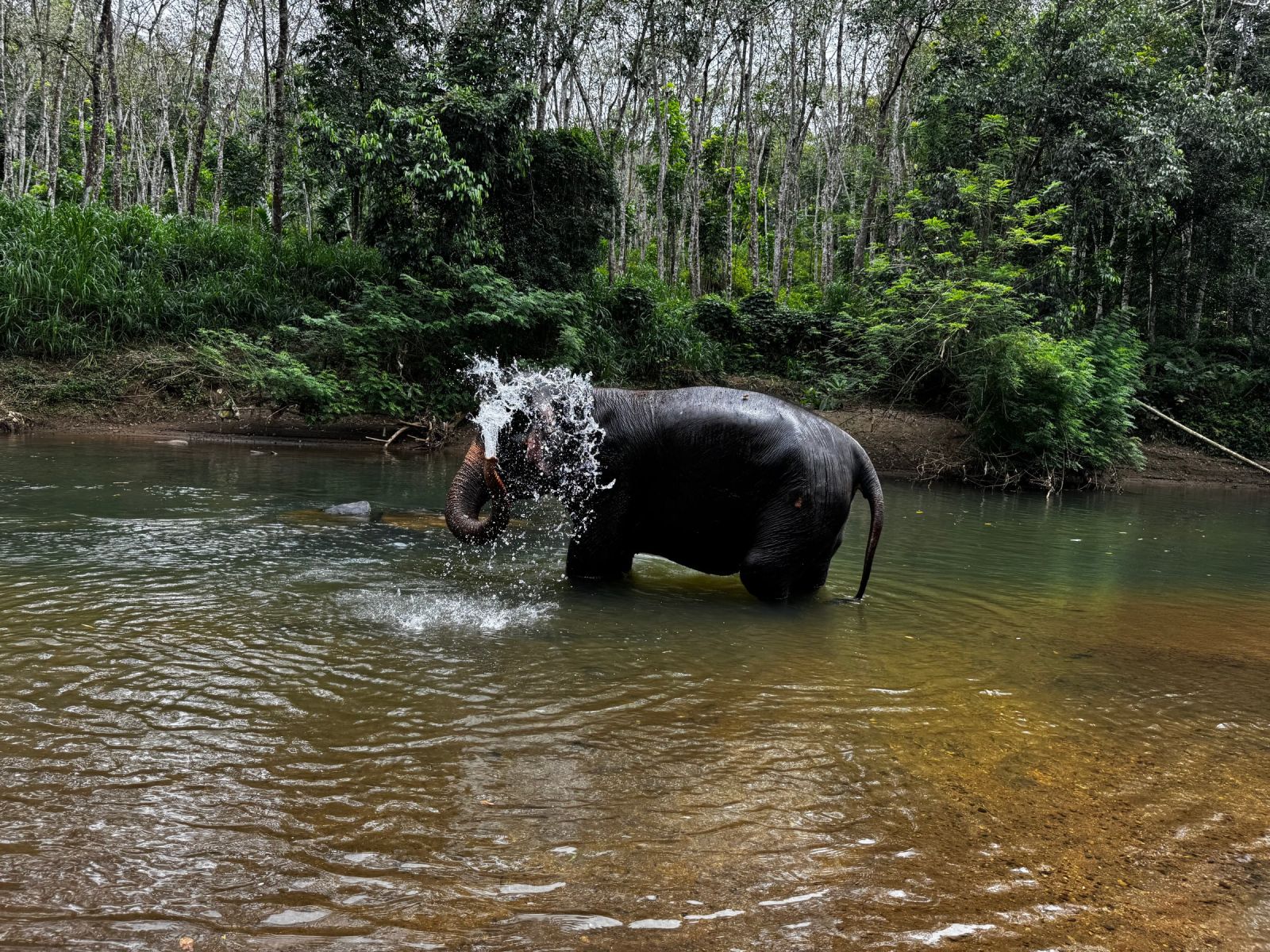
An elephant in the river, a nut in the palm of your hand, Buddha’s tooth at dusk: the longest day in the heart of Sri Lanka
📍 Hemmathagama and Kandy – The Temple of the Tooth Relic
👀 331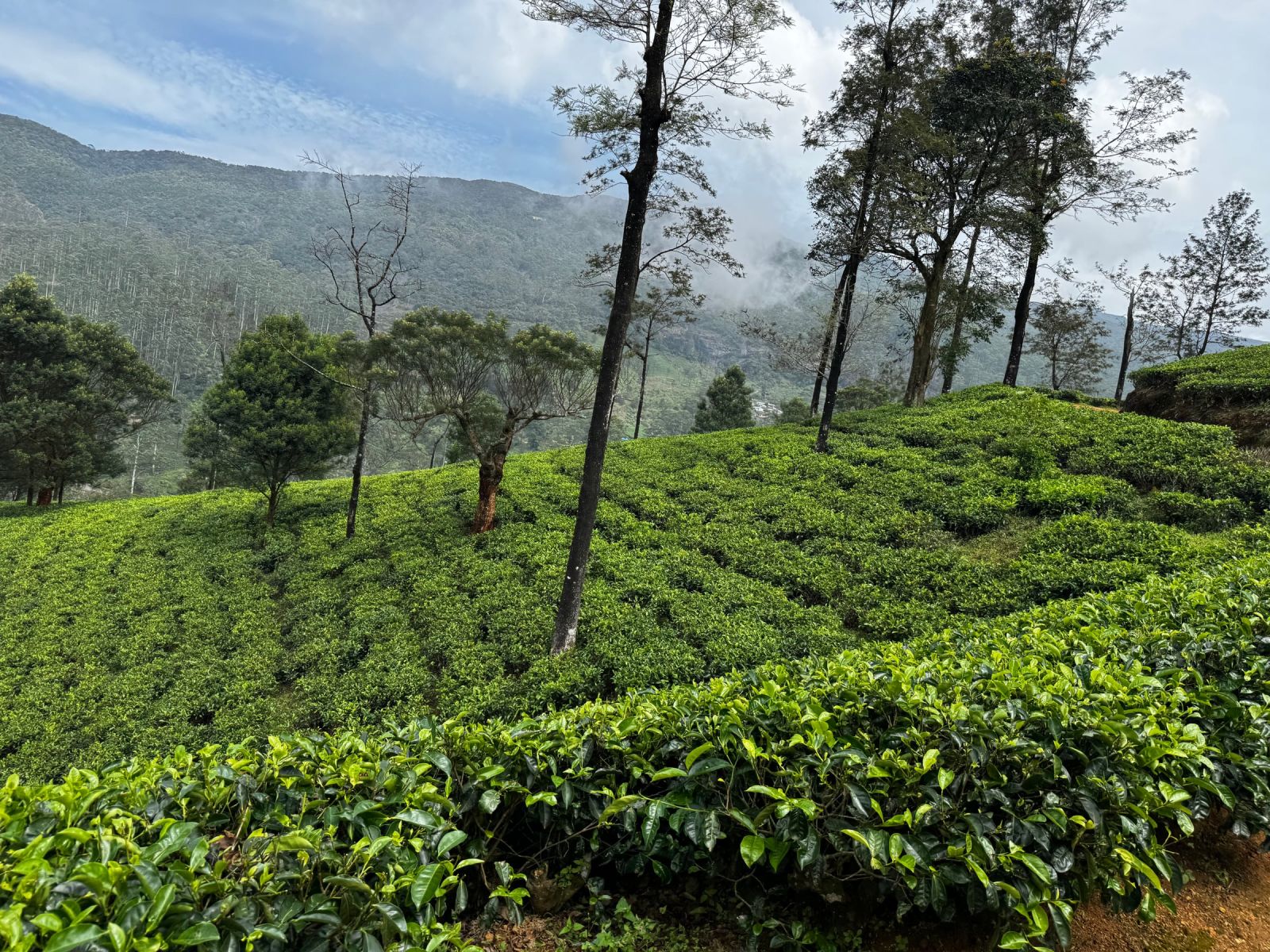
Two Leaves and a Bud: The Day Sri Lanka Taught Us How to Drink Tea
📍 Kothmale – Ramboda, the tea hills
👀 403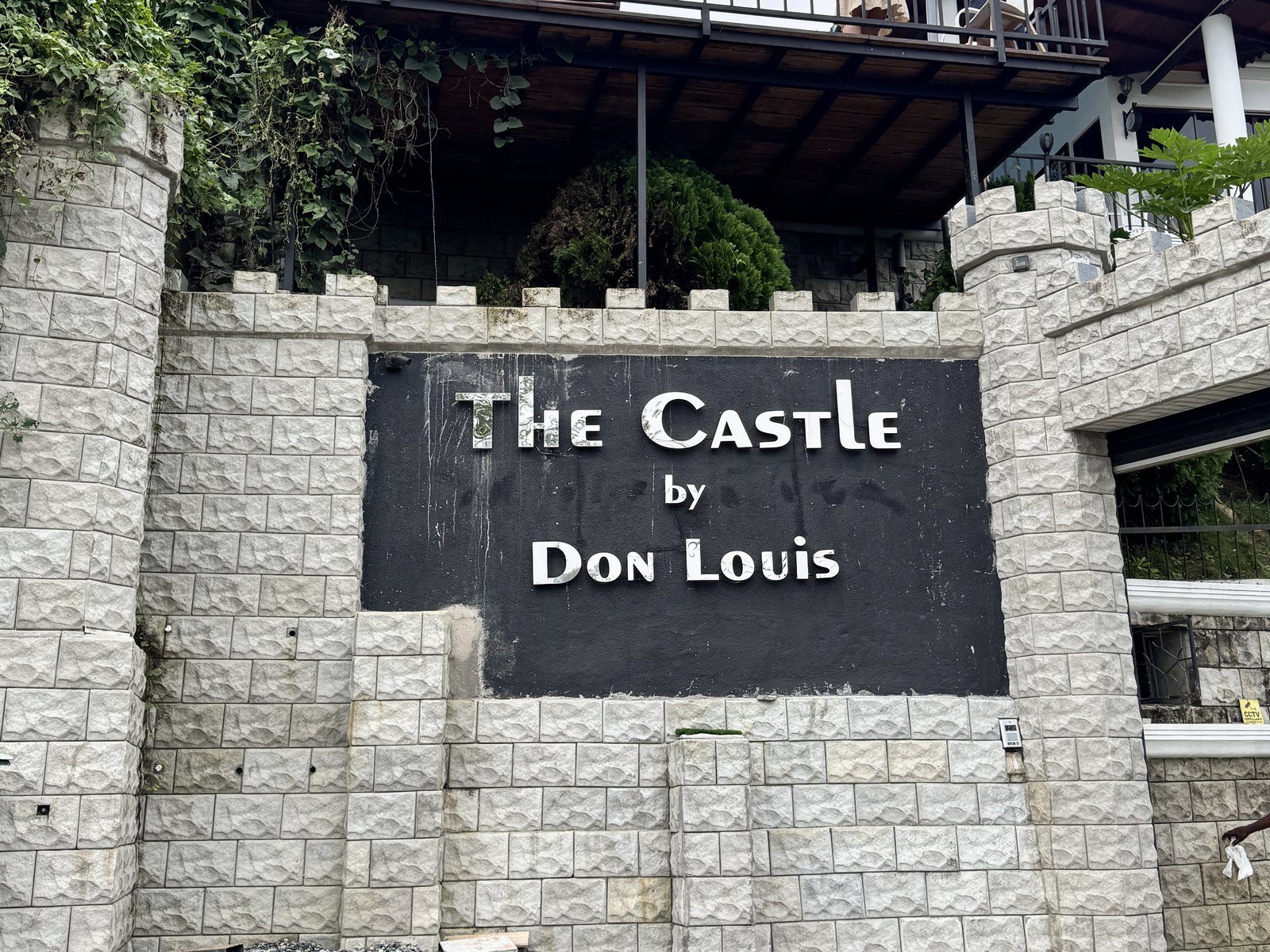
A Night in a Castle, a Morning on the Platform: How Kandy Bid Us Farewell with a Locomotive Whistle
📍 Kandy – The Castle by Don Louis and the railway station
👀 376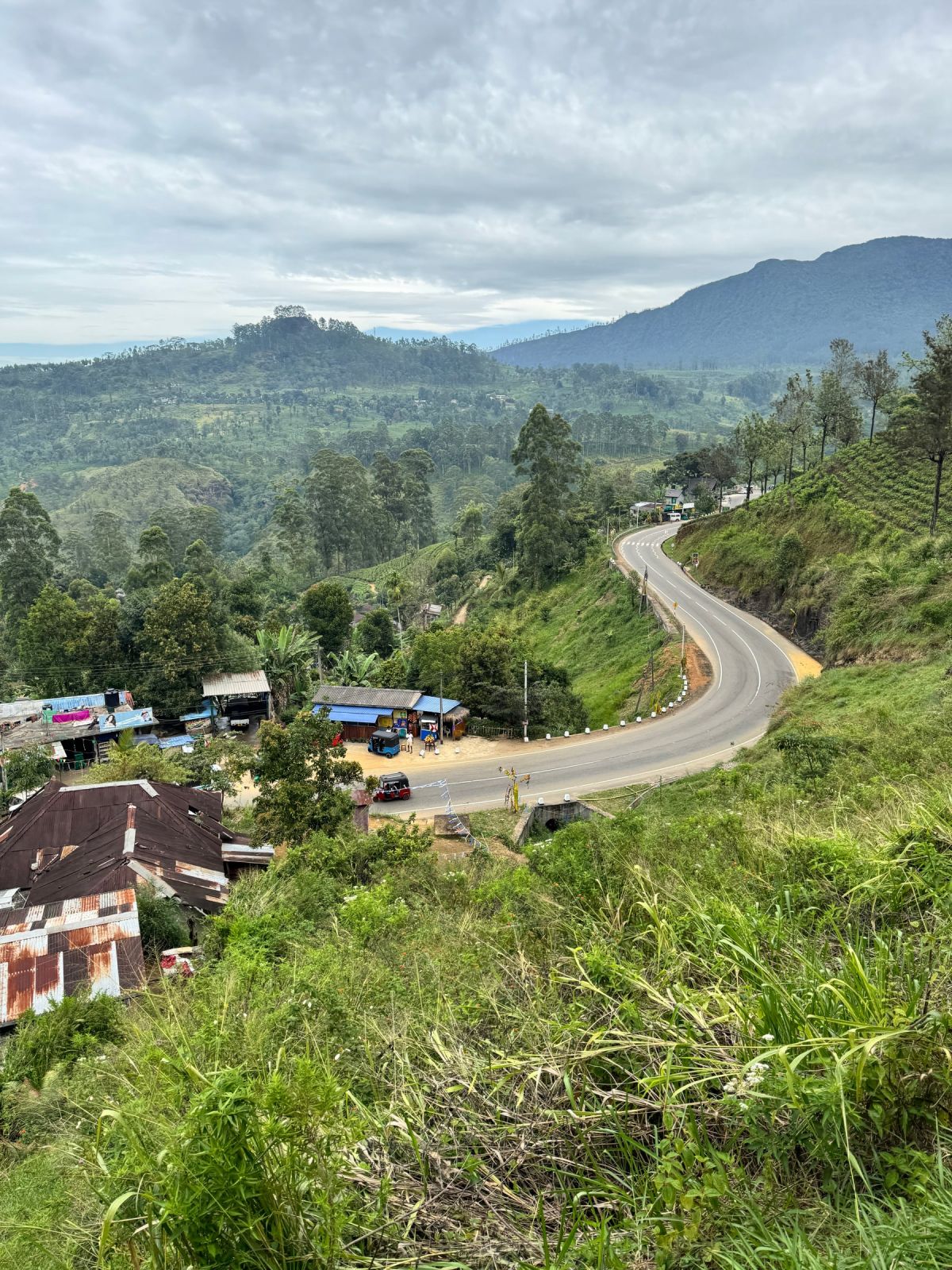
A Train to the Clouds: 1,855 Metres Above Sea Level, Head Out the Window
📍 Kotagala – the railway through the tea hills
👀 283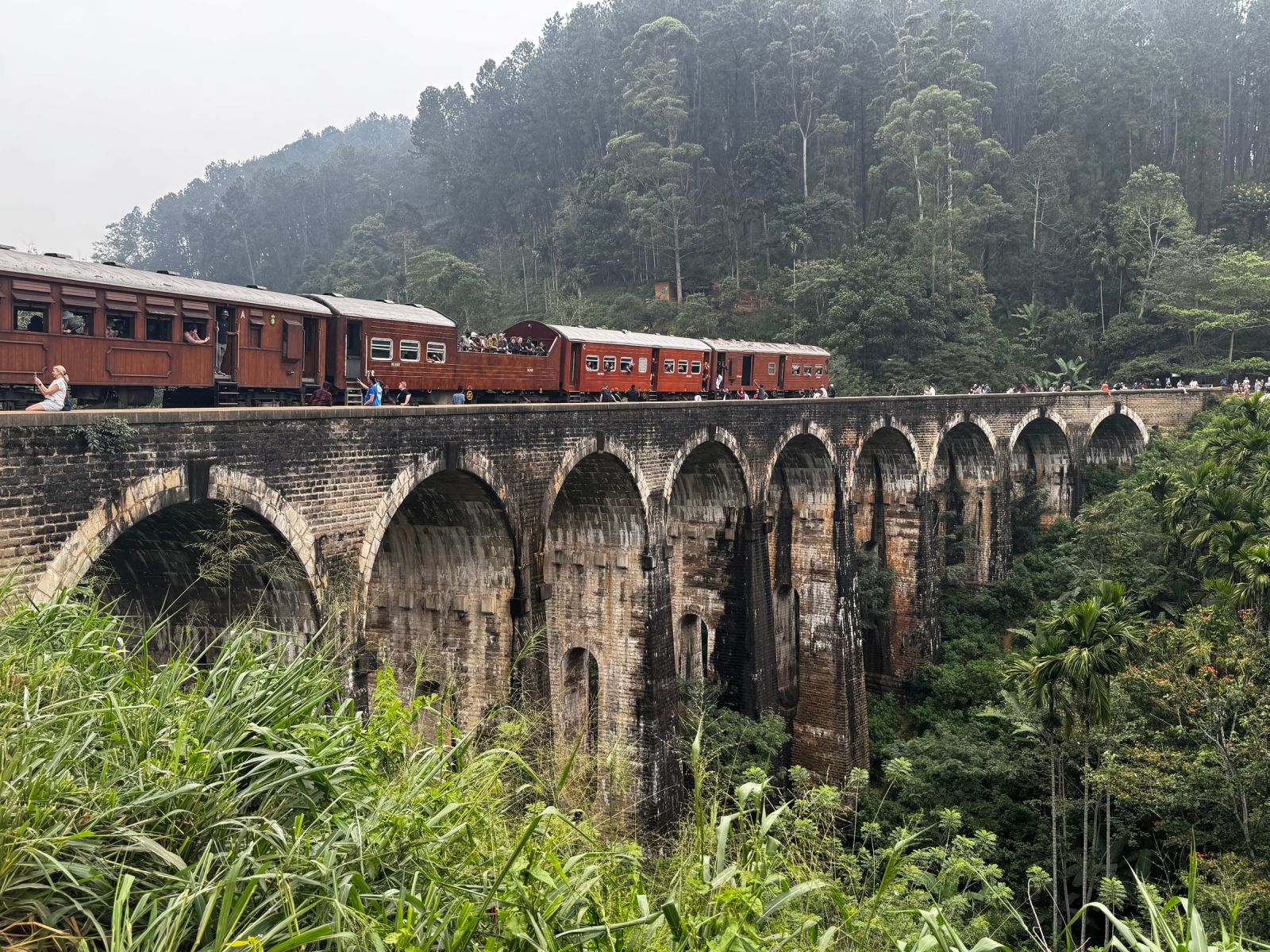
Nine Arches Above the Jungle: Ella, Where the Train Stops for Photos and Monkeys Guard the Waterfall
📍 Ella – Nine Arch Bridge and Ravana Falls
👀 295
Mirissa: A Fin on the Horizon, Fish on the Plate and Names Written in Sinhala
📍 Mirissa – a dawn cruise and the southern beaches by night
👀 283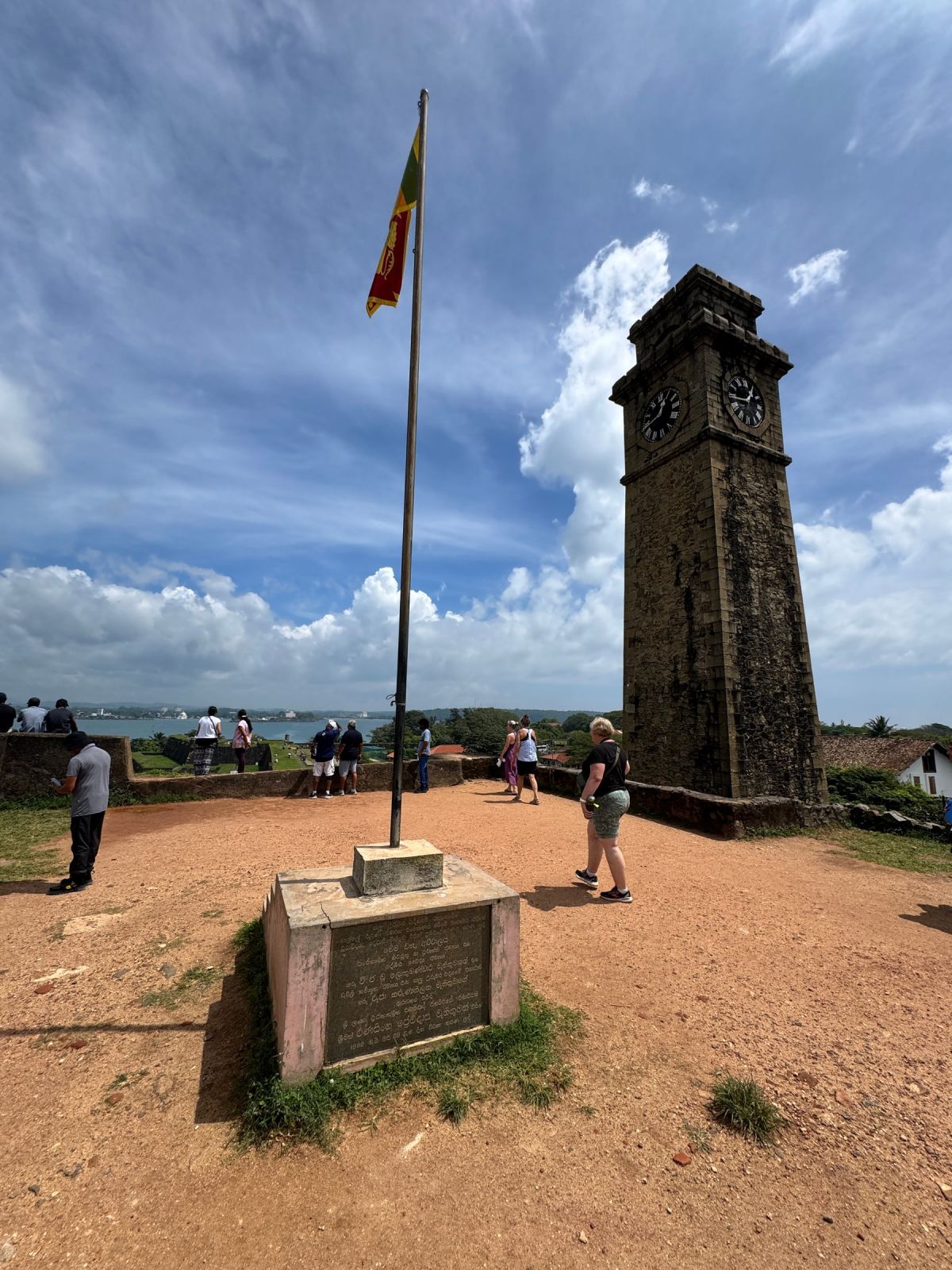
Galle: Thread That Changes Colour, and Walls That Remember the Galleons
📍 Galle – handloom weaving mill and Galle Fort
👀 295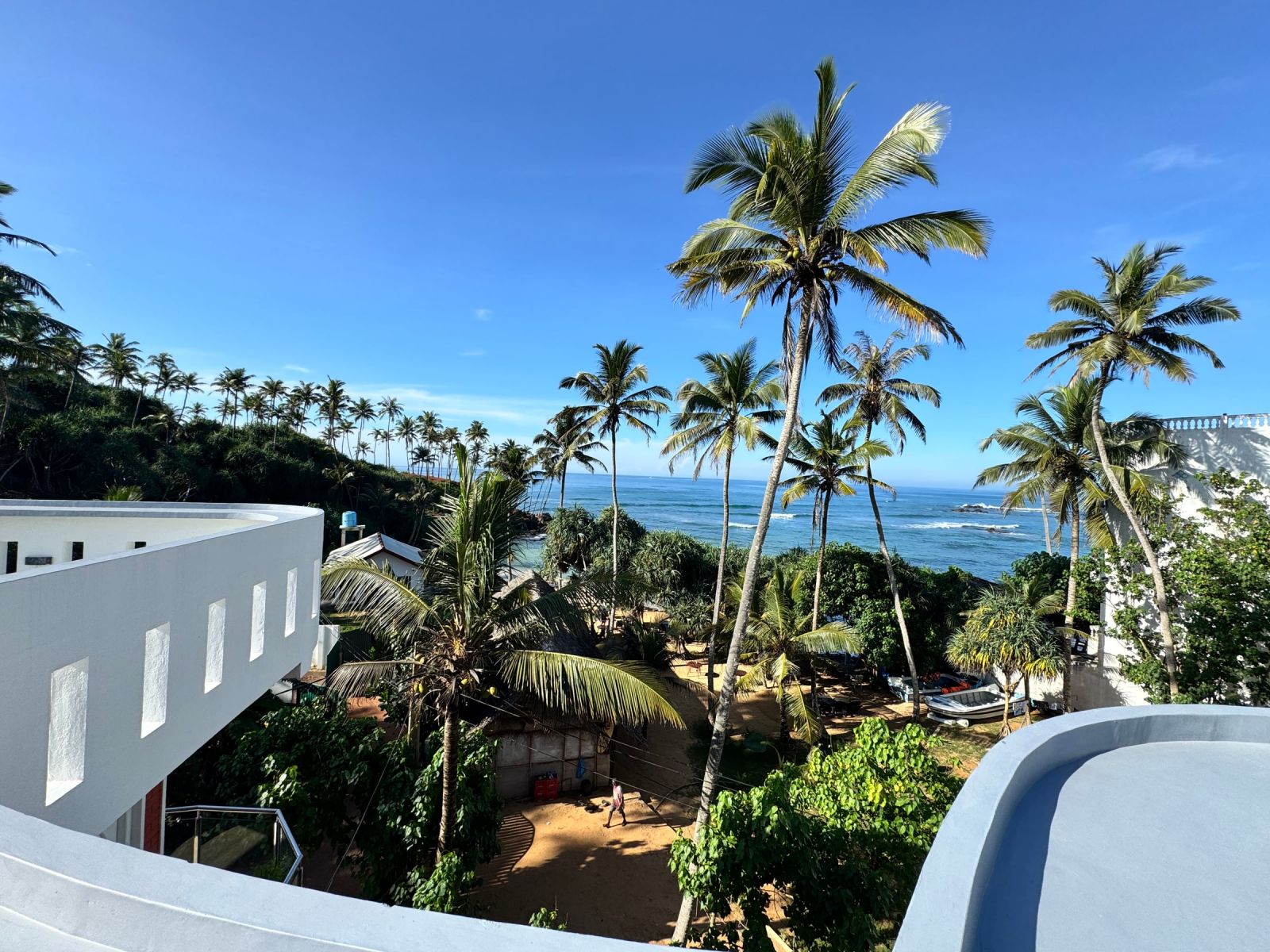
Ahangama: Shells That Remember the Dinosaurs, and Eggs Waiting in the Sand for Their Chance
📍 Ahangama – the coast and a sea turtle hatchery
👀 284
Madu Ganga: A Green Tunnel, the Scent of Cinnamon and a Buddha Who Isn't Afraid of the Rain
📍 Balapitiya – Madu Ganga River
👀 137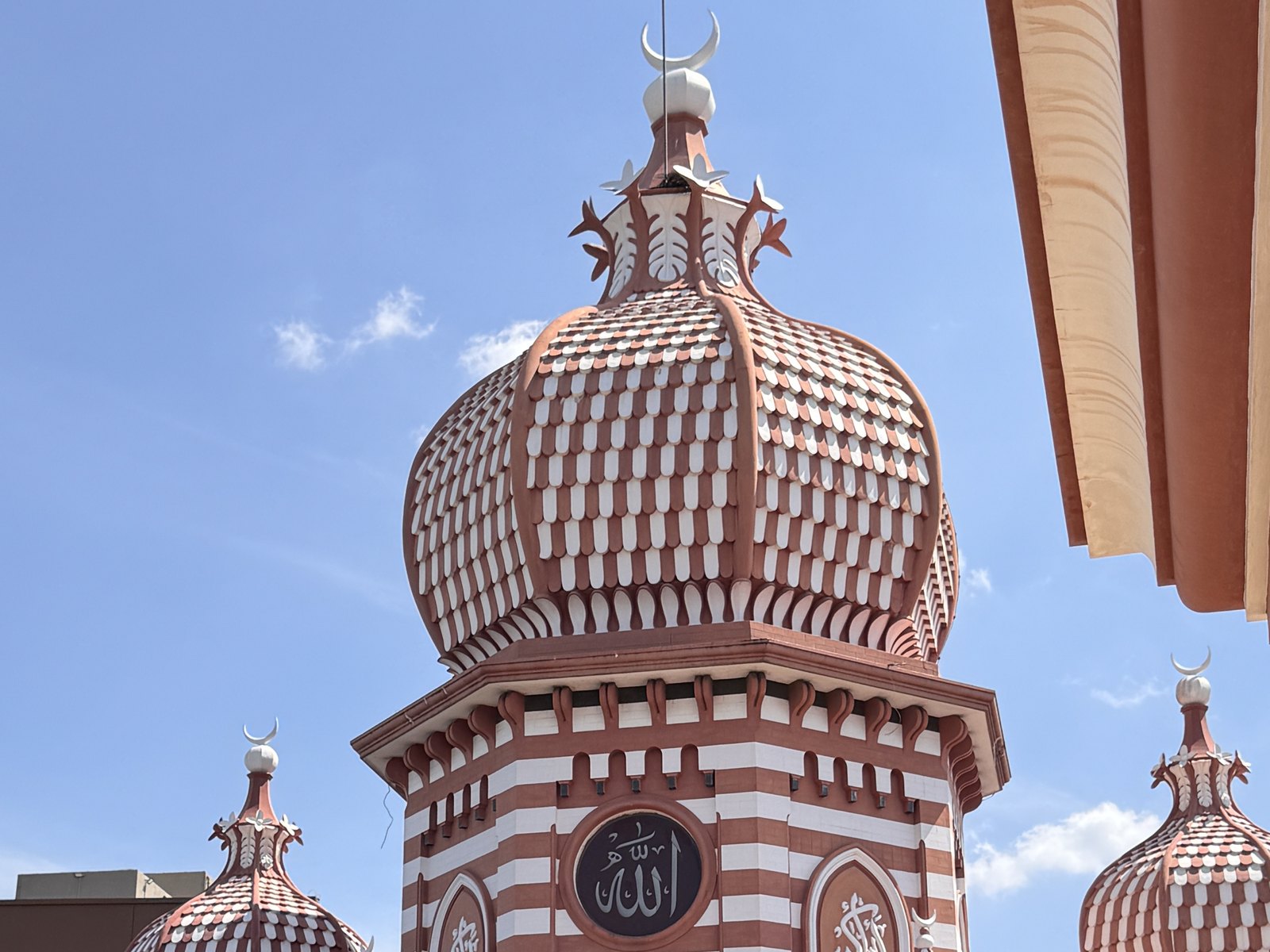
Colombo: Golden Swords of Kings, a Striped Mosque and One Last Bite Before the Flight Home
📍 Colombo – National Museum, Pettah and Gangaramaya
👀 364