Galle: Thread That Changes Colour, and Walls That Remember the Galleons
📍 Galle – handloom weaving mill and Galle Fort
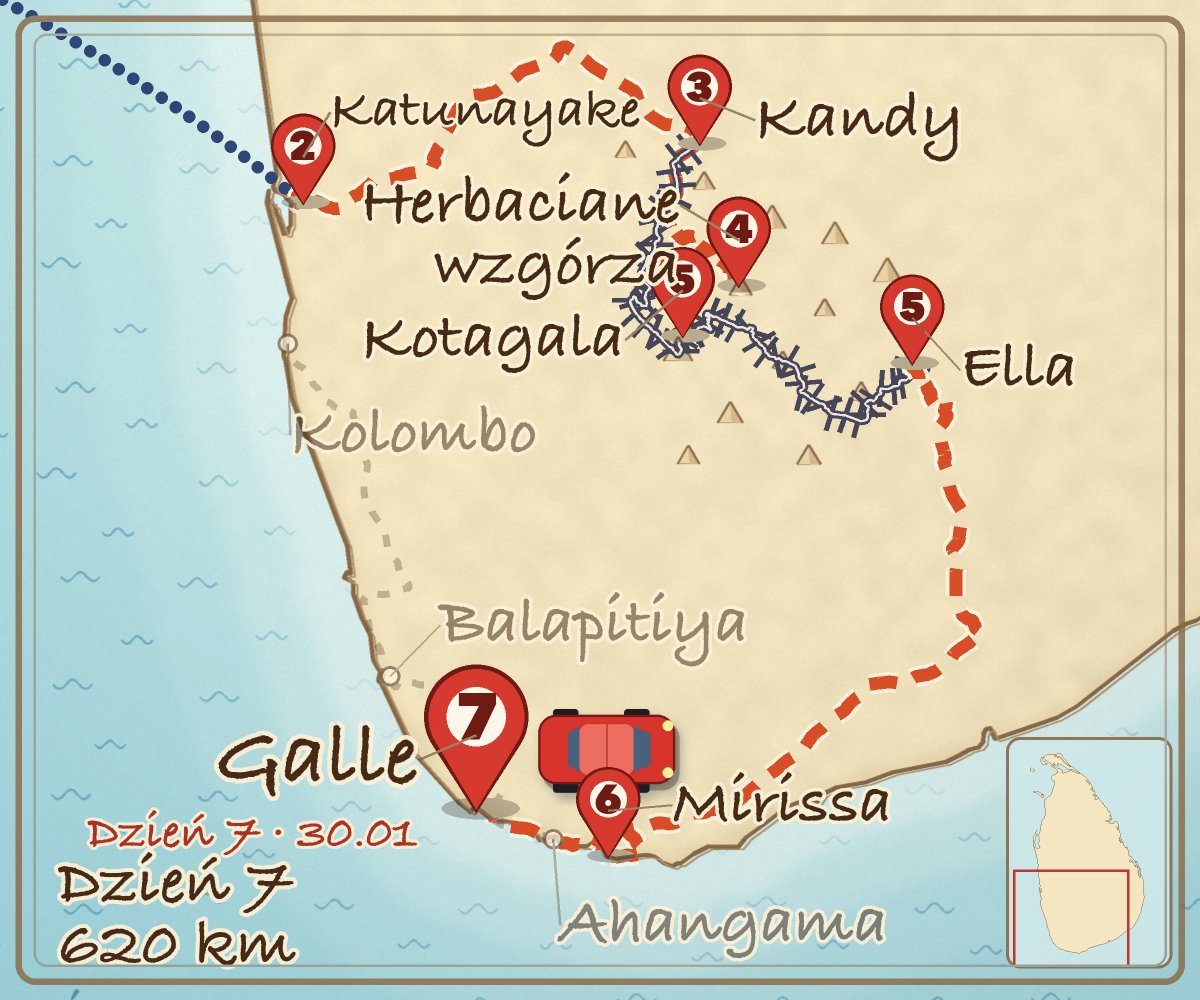
There is something hypnotic about the sound of a wooden loom. A rhythmic clack, the rustle of thread, another clack. Imagine stepping under a low tin roof where the air hangs heavy with humidity and the scent of cotton, and above your head hang hundreds of skeins of yarn – cream, green, orange, red. Before we saw the famous walls of Galle that day, fate led us to a place where colour is literally born in vats.
A garden, a vat and hands in red gloves
It all started innocently, with a tropical garden. Between the palms hung a heliconia – red-and-yellow "lobster claws" that looked as if they were made of plastic – and right beside it the pink flower spikes of alpinia glowed. A few steps further, a completely different world began: concrete tanks, pipes, smoke from burning wood and boards explaining, step by step, what happens here.
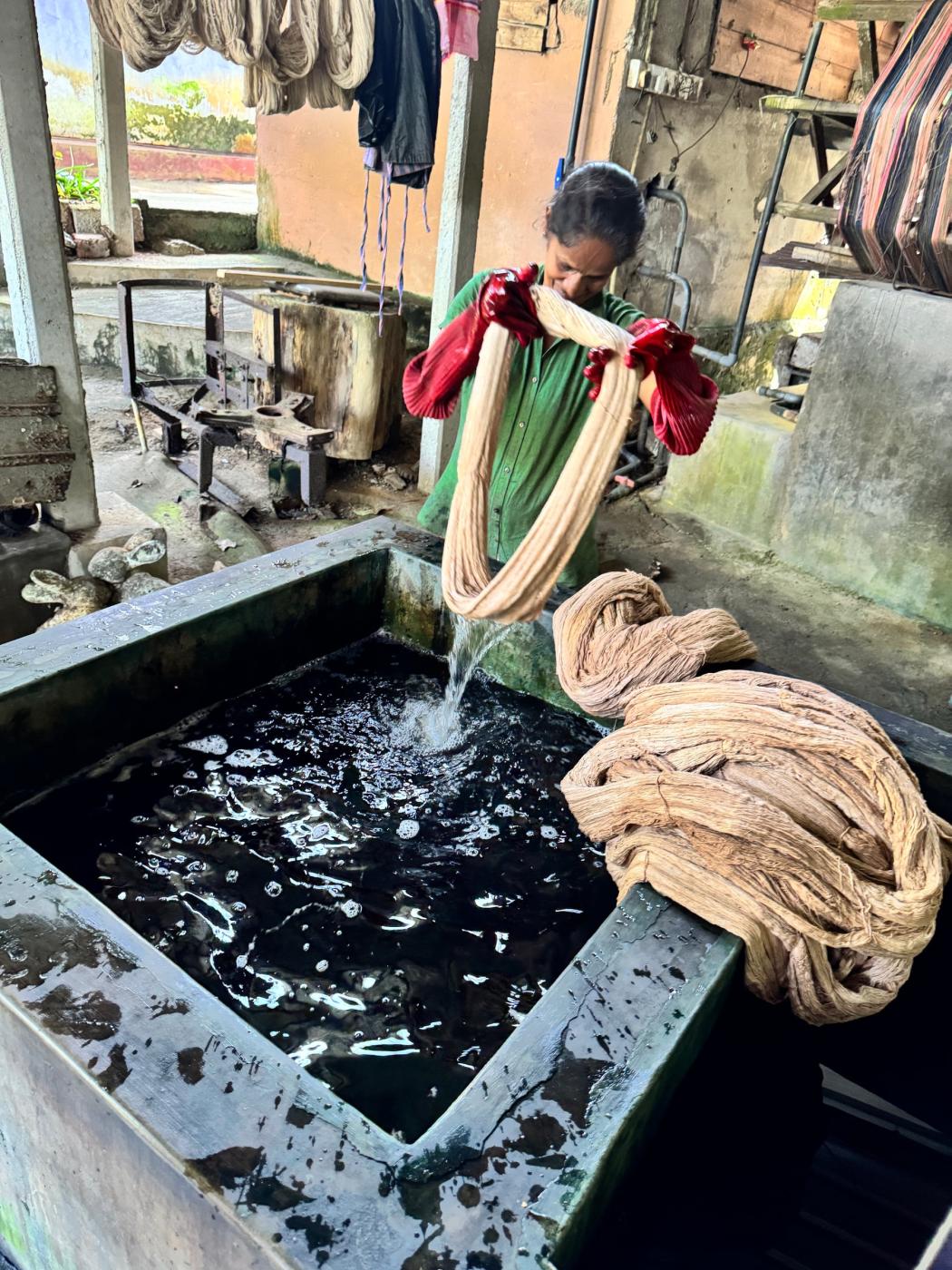
Raw cotton won't take dye until it has been cleaned – it contains natural waxes. That's why the yarn is soaked for a whole day in a soap solution, then rinsed and boiled. Only then does it go into barrels of dye heated over a wood fire. Look at this scene: a woman in red rubber gloves pulls out a heavy, wet skein, and the water pours from it in a stream back into the dark vat.
A forest of threads
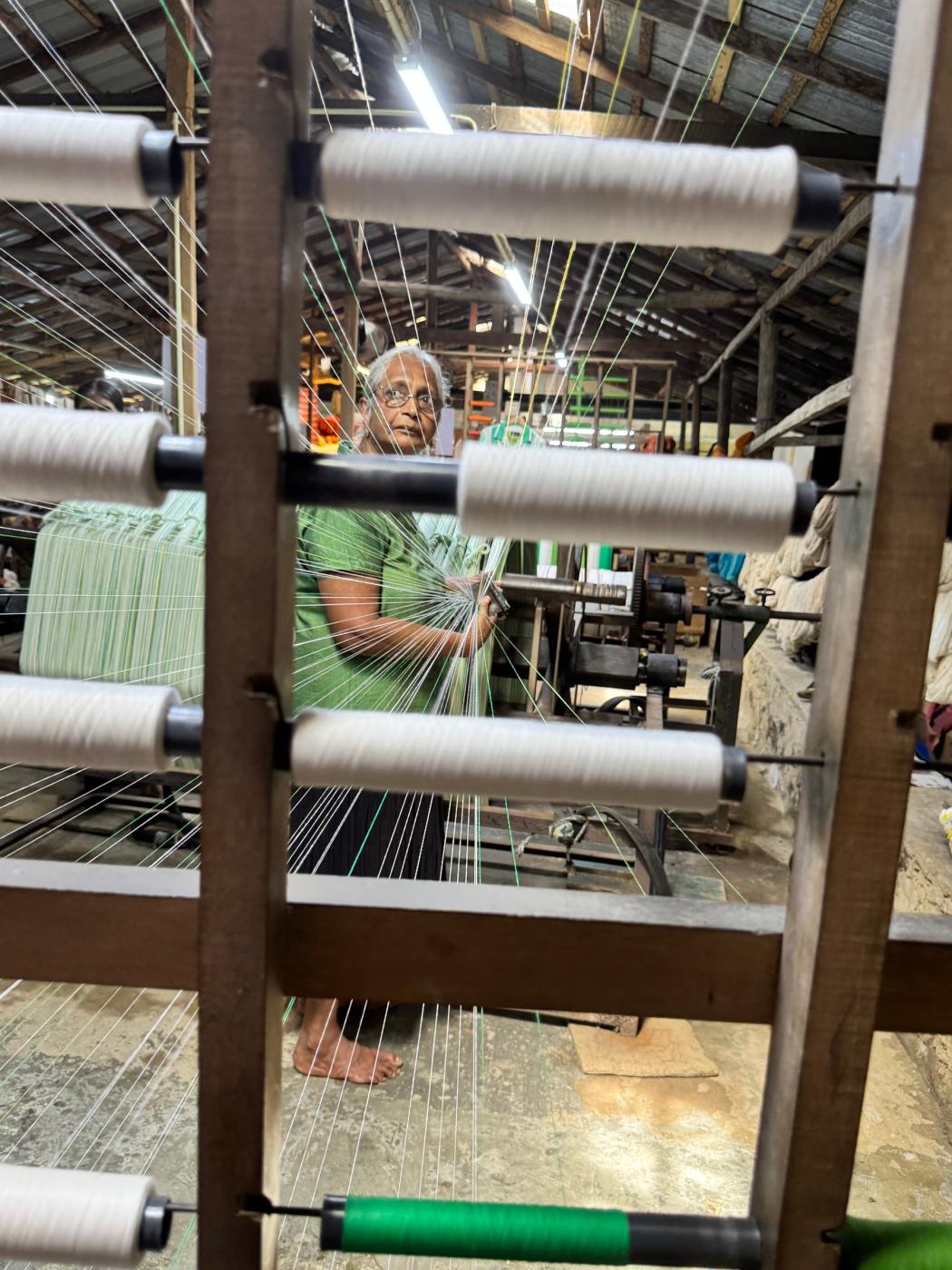
In the weaving hall, time flows differently. On a tall frame, dozens of spools – white, green, yellow – spin their threads into a dense, luminous web. Behind it, barefoot on the concrete floor, an elderly lady in glasses guides the warp so calmly, as if she has been doing it forever. Close your eyes for a moment and listen: the whirr of the spinning wheel, the knock of the reed, a quiet conversation in a language we didn't understand, yet which didn't stop us from getting along at all.
It didn't end with watching. We sat down at the wooden wheels and tried winding yarn onto bobbins ourselves. It looks trivial until you try it – the thread tangles, the crank slows down, and the weavers smile indulgently. To finish, a group photo with one of them and a quick visit to the little shop, where shelves sagged under colourful sarongs and towels. It was hard to leave empty-handed.
The fort that outlasted everyone
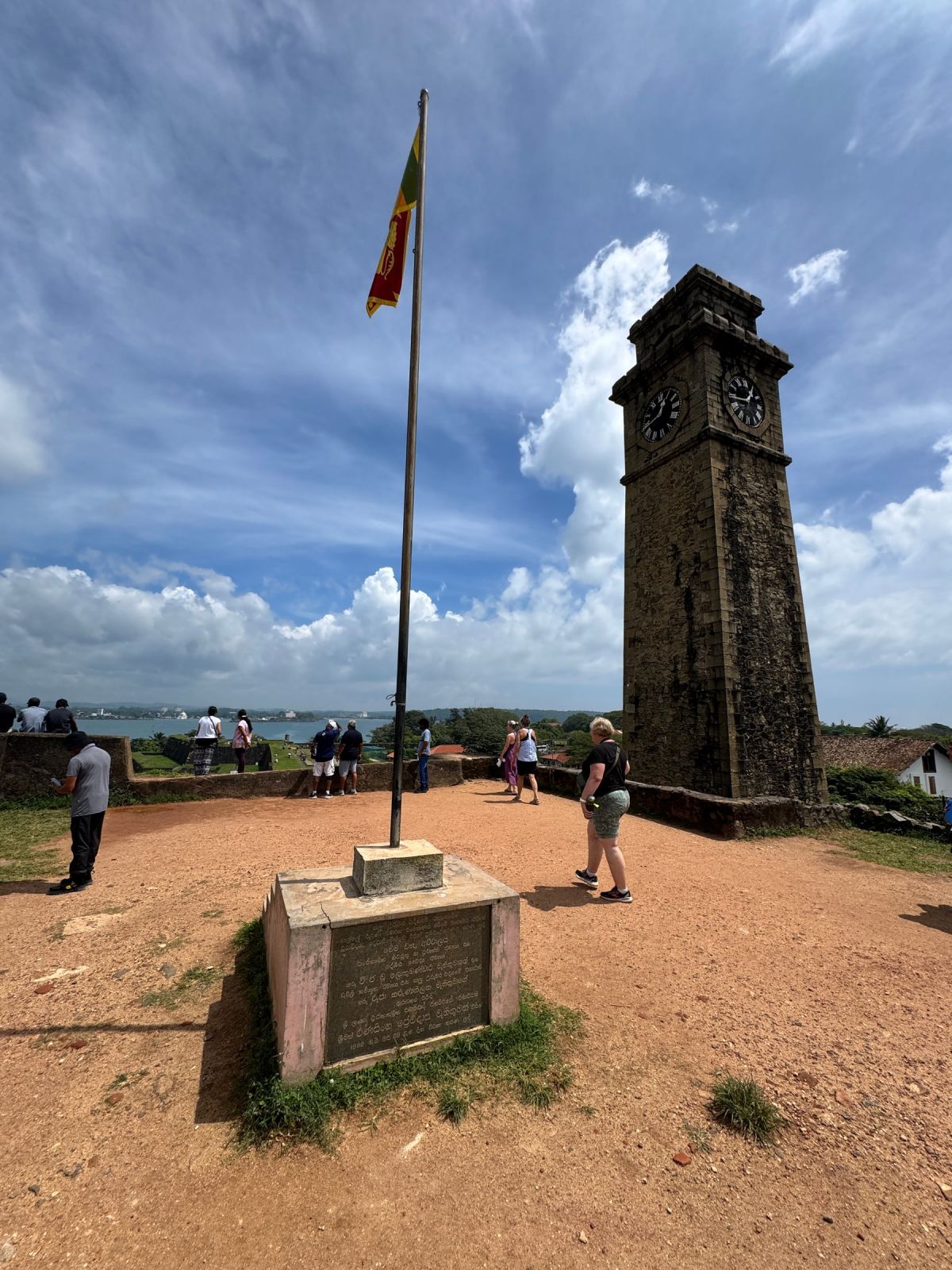
At high noon we stood on the walls of Galle Fort. The sun was merciless, and the wind off the ocean was our only relief. The Portuguese built the first fortifications here at the end of the 16th century, but it was the Dutch in the 17th century who turned Galle into a mighty fortress with bastions that still stand today. Since 1988 the old town has been on the UNESCO list. Towering over it all is a dark stone clock tower from the late 19th century, and next to it the Sri Lankan lion flag flutters on its mast.
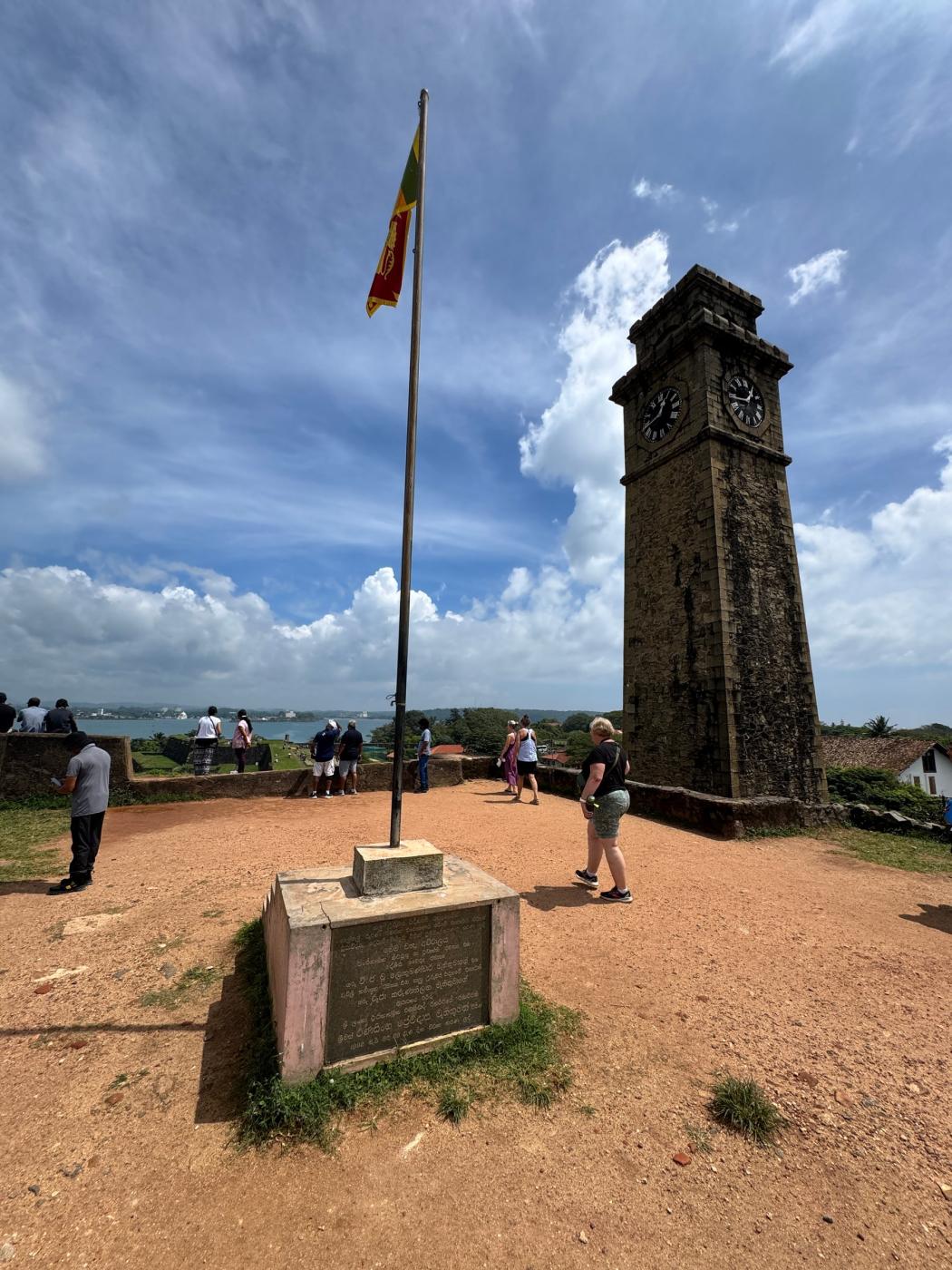
We strolled along the grassy ramparts, passing old cannons, stone powder magazines and signs bearing the bastions' names – such as Aeolus Bastion, named after the Greek ruler of the winds. A very fitting name, because it was seriously windy up there. Below the walls the ocean crashed against the rocks, and on the green slopes the fort's first rightful residents were taking a stroll.
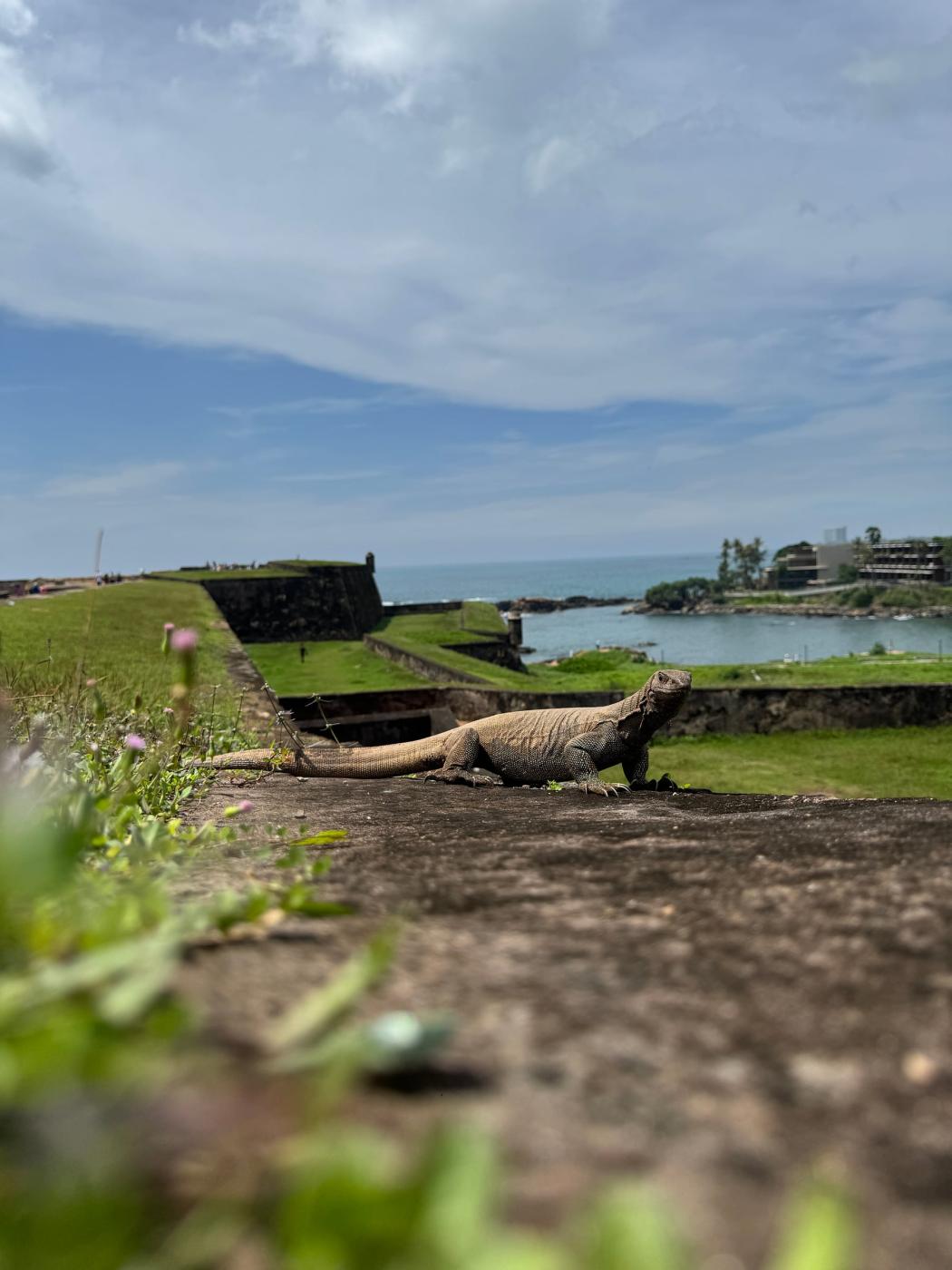
Guardians of the walls A monitor lizard basking on the sun-warmed stone, with the bay in the background, looked like a living piece of the fortifications. Another scurried across the lawn, and in the thick greenery beneath the wall we spotted a peacock whose emerald neck gleamed in the sun. Exotic for us, for them – just an ordinary afternoon.
We ended the afternoon the way you should on the south coast: under a roof of palm leaves, with sand underfoot and waves that thunderously tumbled us back onto the shore. Colourful threads in the morning, colonial bastions at noon, the ocean in the afternoon. Galle fit three different worlds into a single day – and each of them smelled different.
🧭 Next stages of this trip
This isn't the end — see what happened next
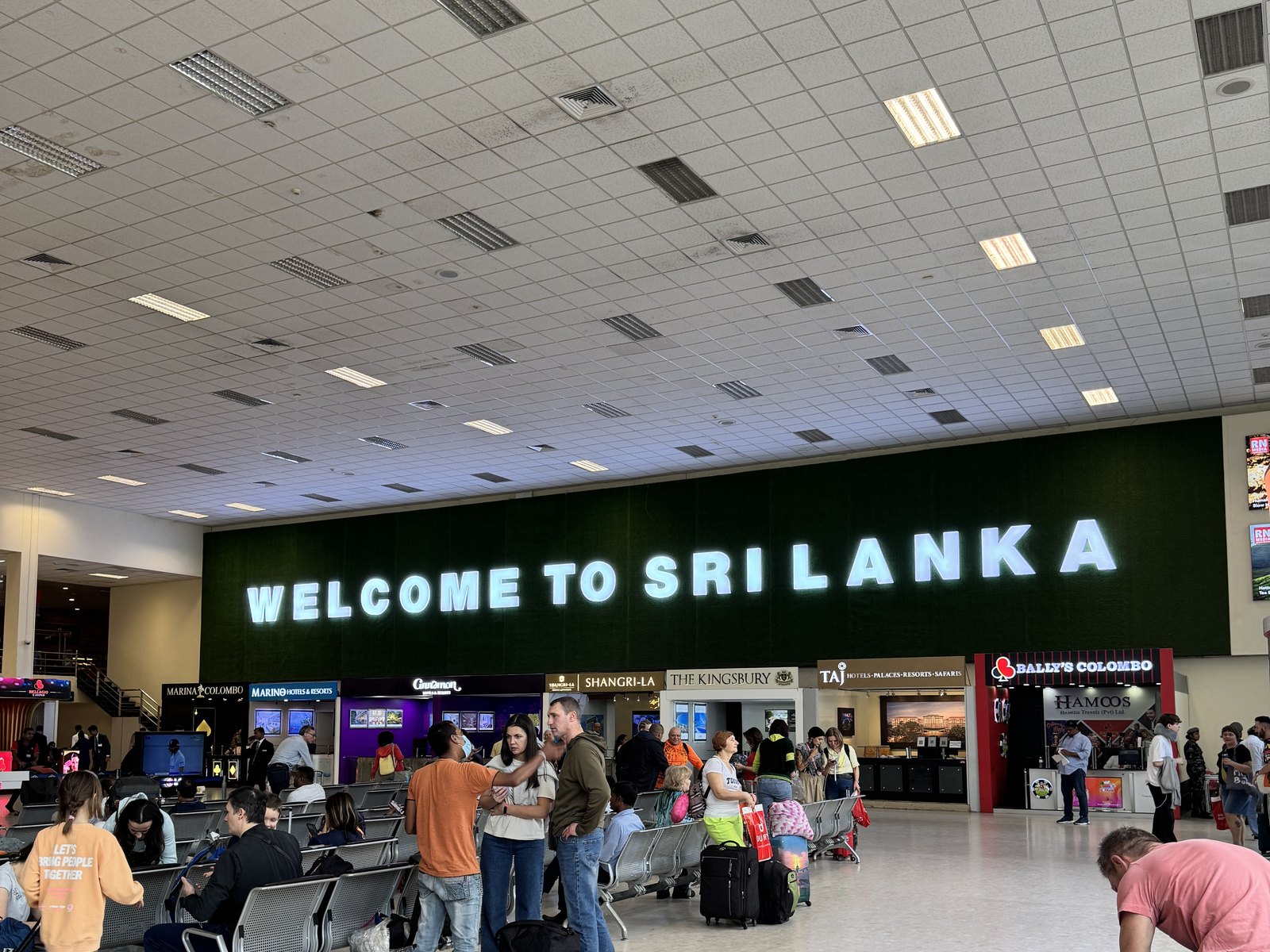
Ayubowan, Sri Lanka! The first day between the runway and the castle on the hill
📍 Katunayake – Kandy
👀 552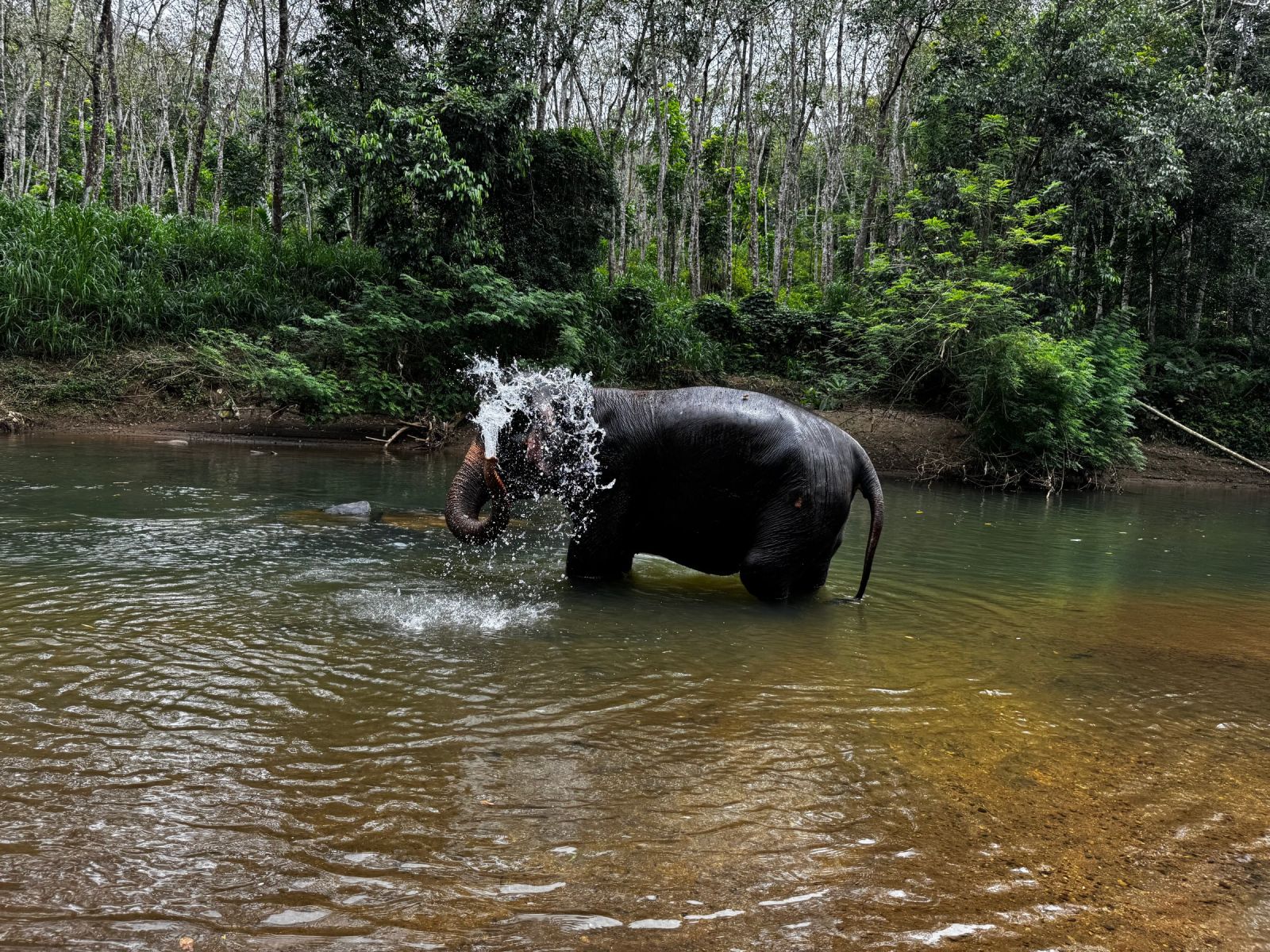
An elephant in the river, a nut in the palm of your hand, Buddha’s tooth at dusk: the longest day in the heart of Sri Lanka
📍 Hemmathagama and Kandy – The Temple of the Tooth Relic
👀 331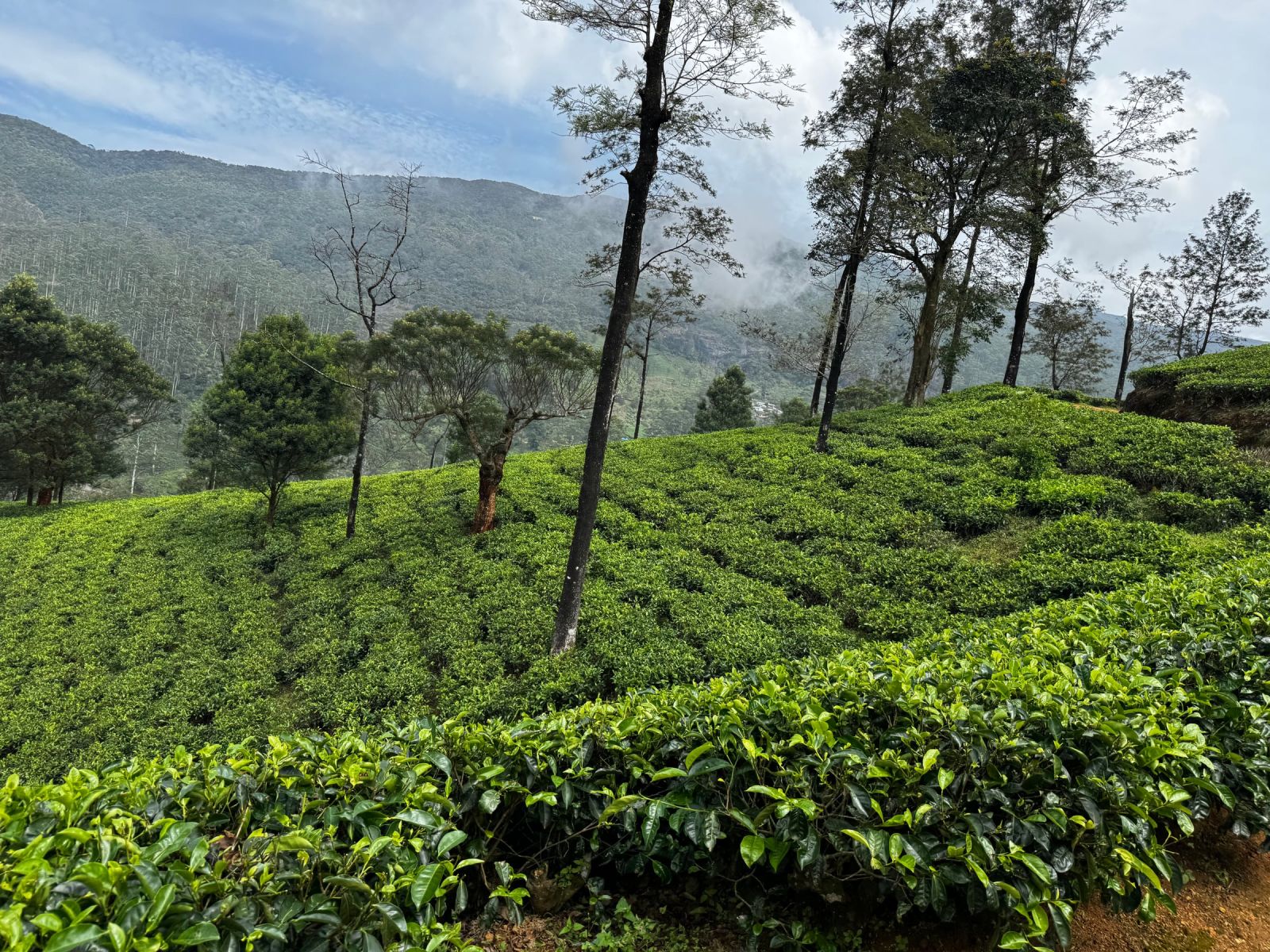
Two Leaves and a Bud: The Day Sri Lanka Taught Us How to Drink Tea
📍 Kothmale – Ramboda, the tea hills
👀 403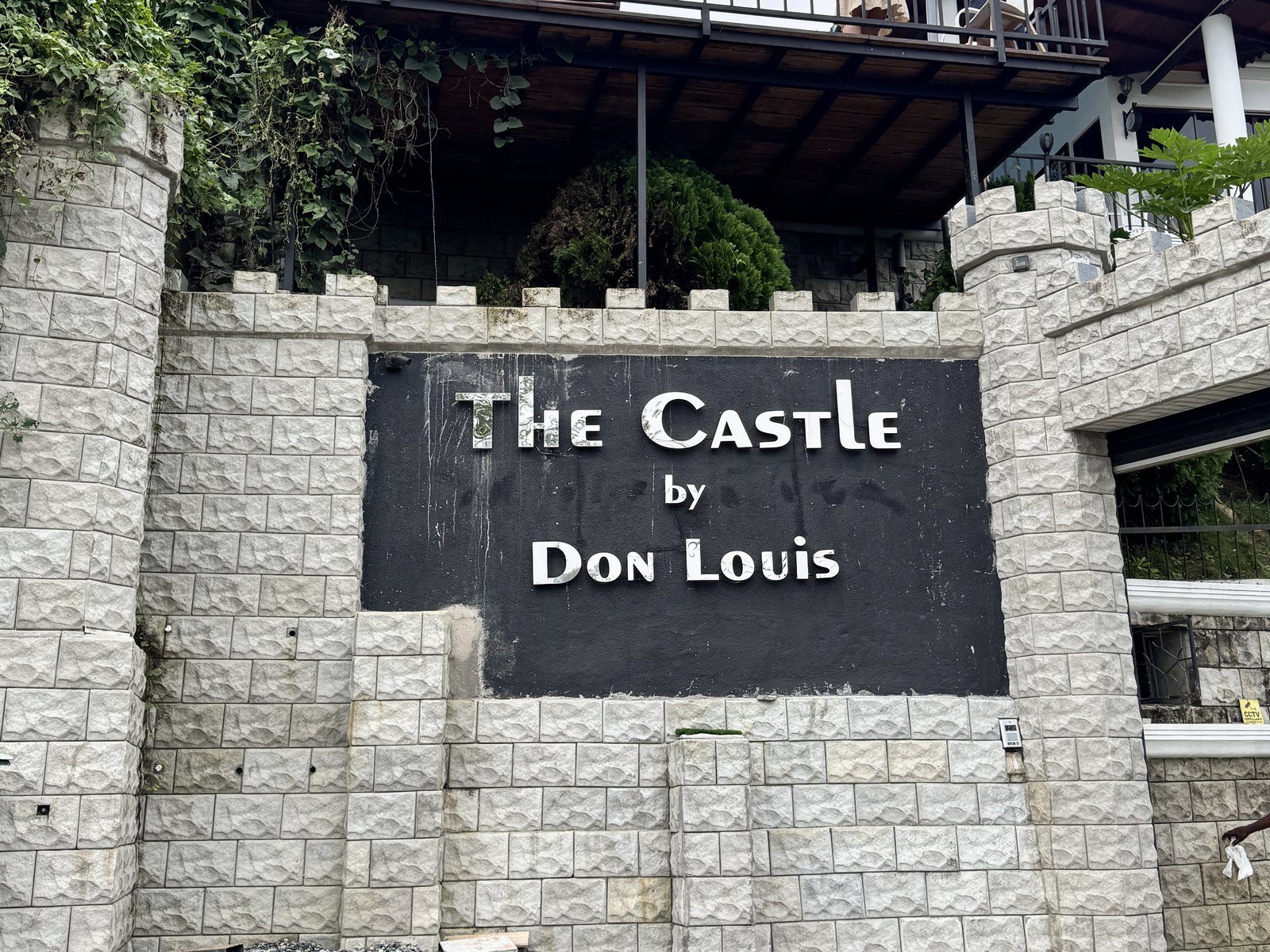
A Night in a Castle, a Morning on the Platform: How Kandy Bid Us Farewell with a Locomotive Whistle
📍 Kandy – The Castle by Don Louis and the railway station
👀 376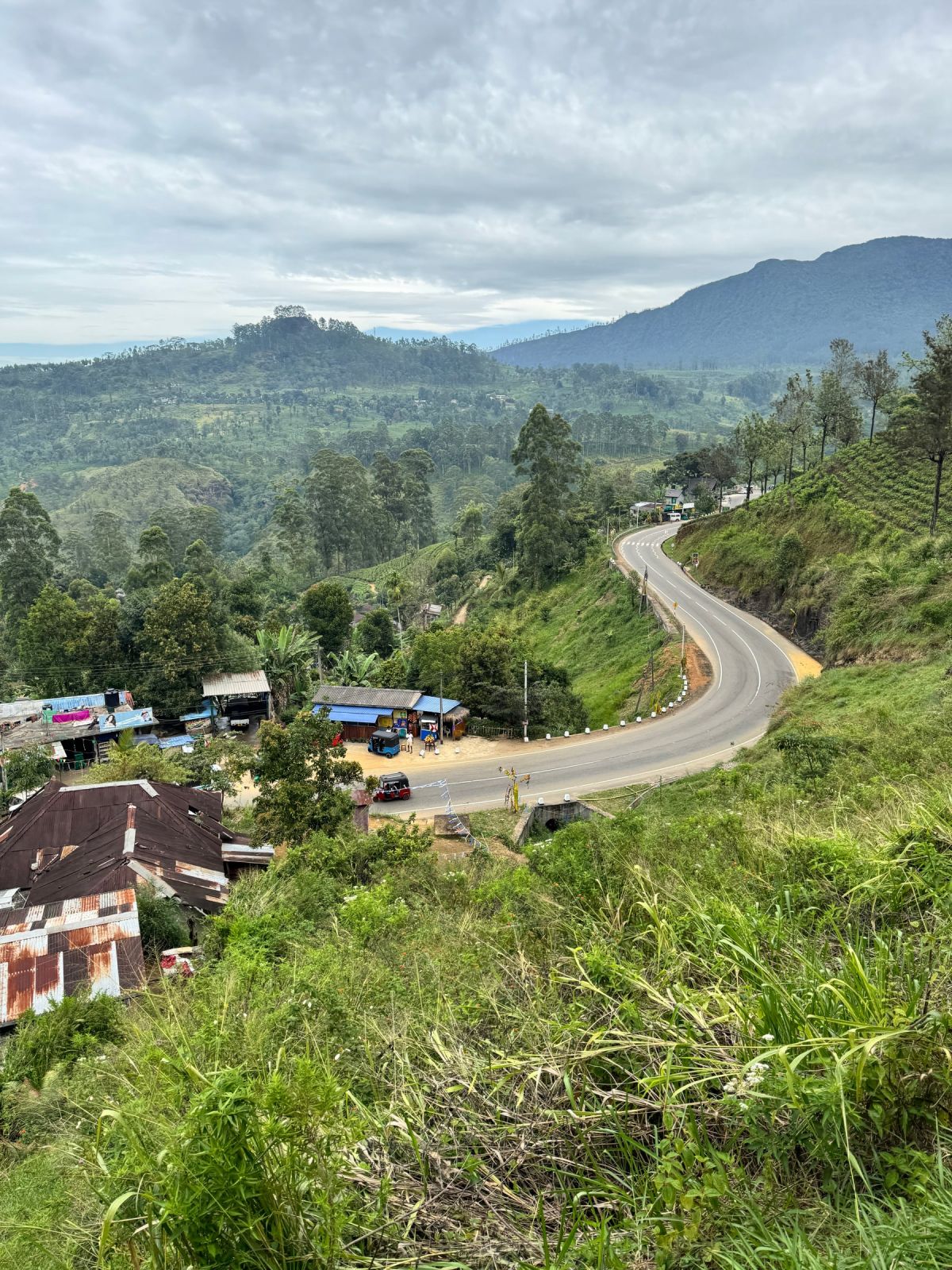
A Train to the Clouds: 1,855 Metres Above Sea Level, Head Out the Window
📍 Kotagala – the railway through the tea hills
👀 283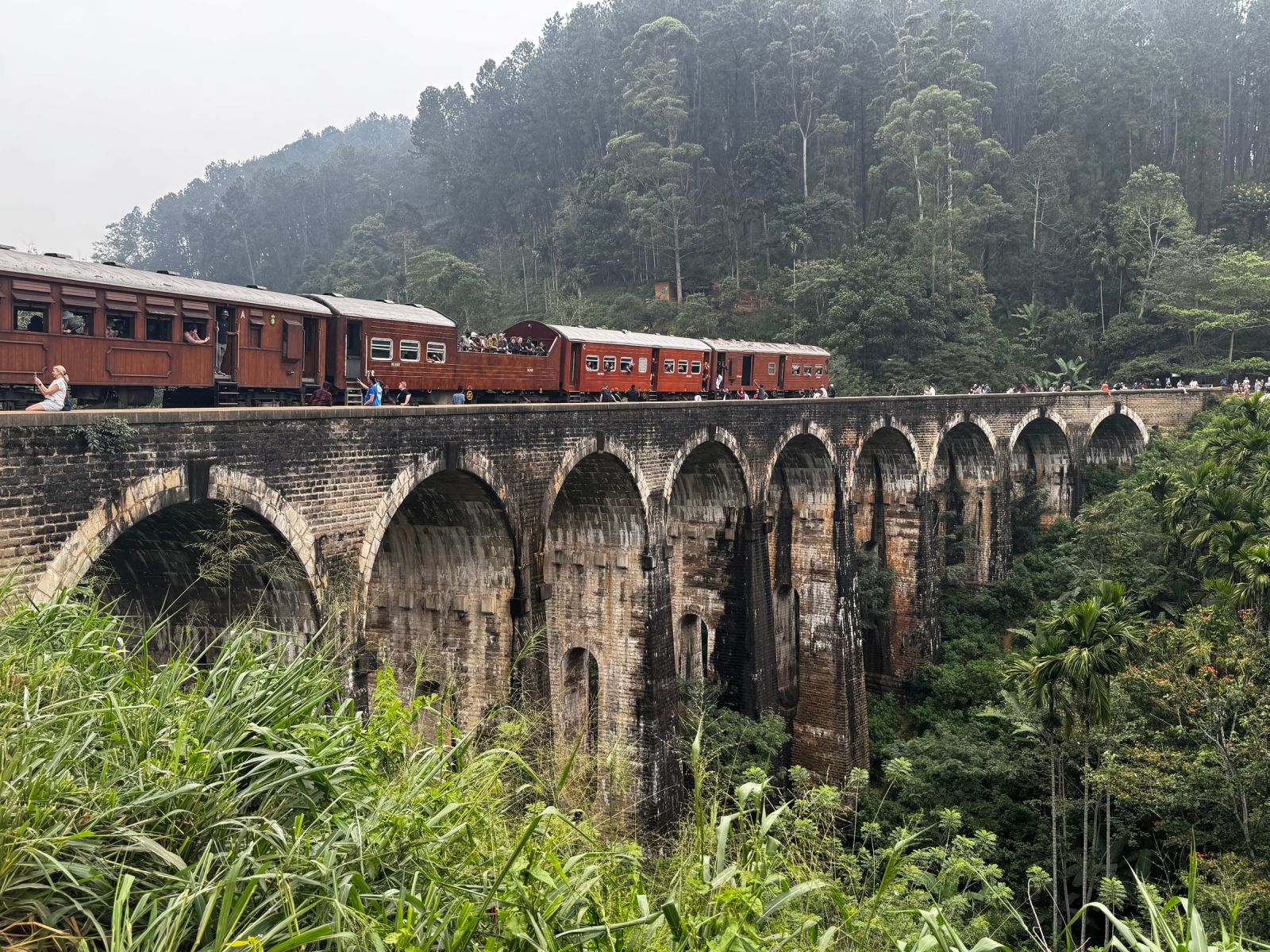
Nine Arches Above the Jungle: Ella, Where the Train Stops for Photos and Monkeys Guard the Waterfall
📍 Ella – Nine Arch Bridge and Ravana Falls
👀 295
Mirissa: A Fin on the Horizon, Fish on the Plate and Names Written in Sinhala
📍 Mirissa – a dawn cruise and the southern beaches by night
👀 283
Galle: Thread That Changes Colour, and Walls That Remember the Galleons
📍 Galle – handloom weaving mill and Galle Fort
👀 296
Ahangama: Shells That Remember the Dinosaurs, and Eggs Waiting in the Sand for Their Chance
📍 Ahangama – the coast and a sea turtle hatchery
👀 284
Madu Ganga: A Green Tunnel, the Scent of Cinnamon and a Buddha Who Isn't Afraid of the Rain
📍 Balapitiya – Madu Ganga River
👀 137
Colombo: Golden Swords of Kings, a Striped Mosque and One Last Bite Before the Flight Home
📍 Colombo – National Museum, Pettah and Gangaramaya
👀 365