Two Leaves and a Bud: The Day Sri Lanka Taught Us How to Drink Tea
📍 Kothmale – Ramboda, the tea hills
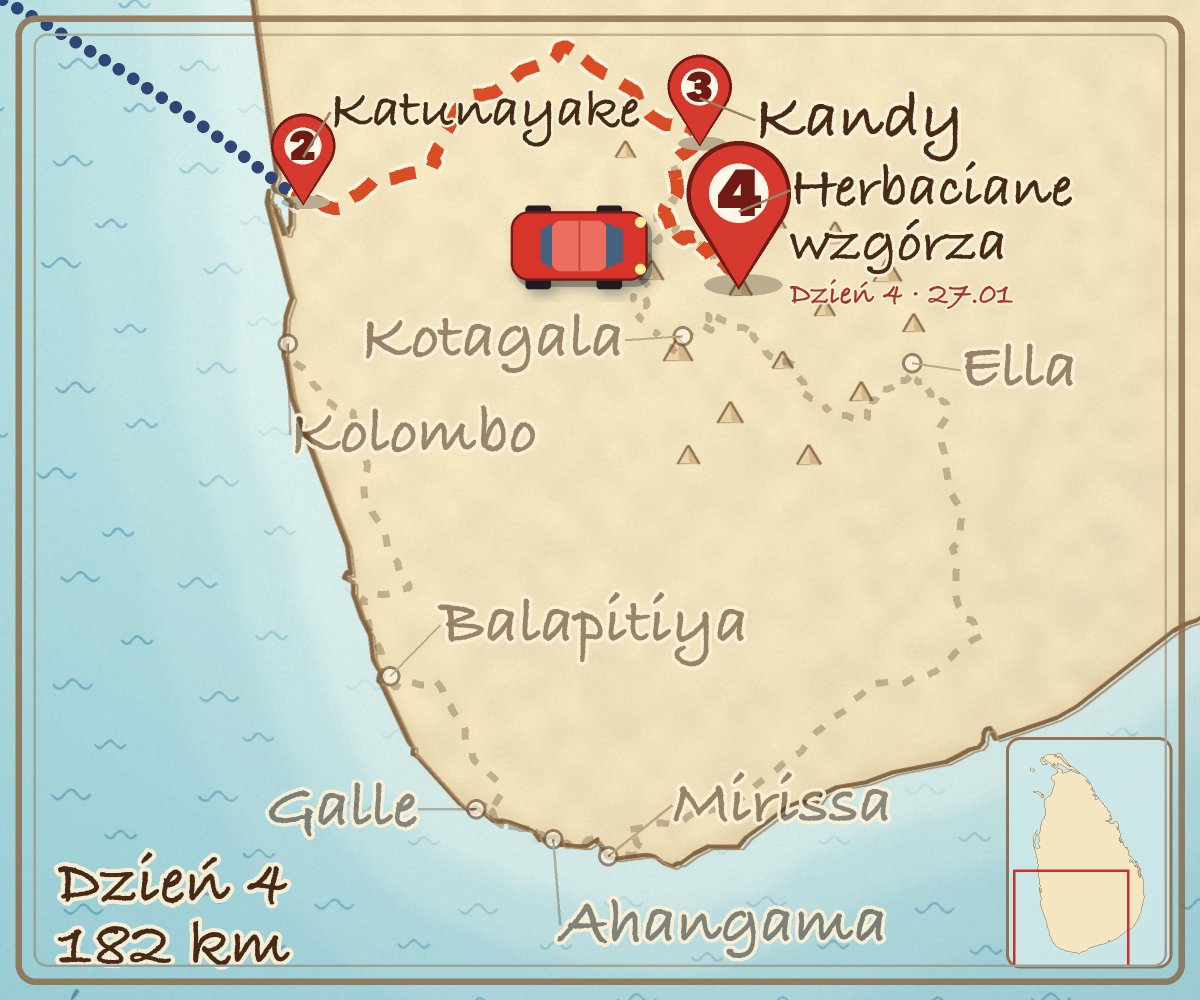
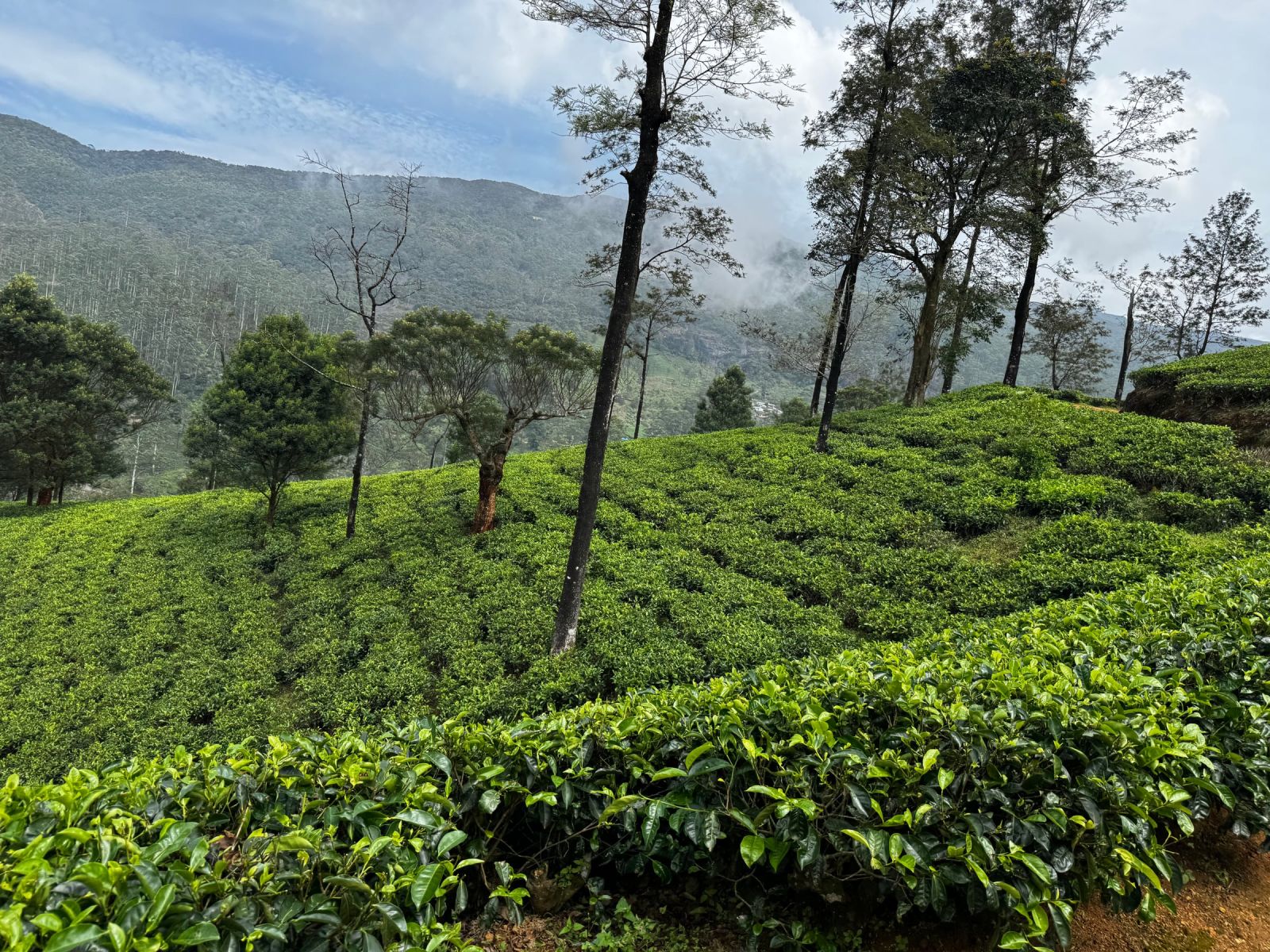
Close your eyes for a moment and imagine green. Not ordinary grassy green, but lush, glistening green, laid out in soft waves that roll down the slopes all the way to the horizon. Heavy grey clouds hang above them, and mist slowly climbs the mountain ridges. That's how the highlands around Kothmale welcomed us. After yesterday's longest day in Kandy, we set off up a winding road, and with every bend the air grew cooler and the landscape more unreal.
Hairpin bends, tuk-tuks and petrol at 286 rupees
The road from Kandy towards Nuwara Eliya has never heard of a straight line. We passed houses clinging to the hillsides, small towns where red and green tuk-tuks wait in line for customers while a tangle of cables sprawls overhead. A small practical detail: at the petrol station the pump showed 286 rupees per litre. At one stop we looked down into the valley – vegetable plots in neat rows, laundry drying on a line and mountains disappearing into the clouds. Here, life is lived vertically.
A tea labyrinth
After a visit to a tea shop, where colourful boxes were stacked into towers and the shelves smelled of dried leaves, we climbed into a red open-top jeep. And the ride began. Narrow, muddy tracks wind between the tea bushes, and every bend reveals another view that makes you want to shout to the driver: stop! Look at those terraces – bushes pruned for years to the same height look like a giant green carpet stitched together by the pickers' paths.
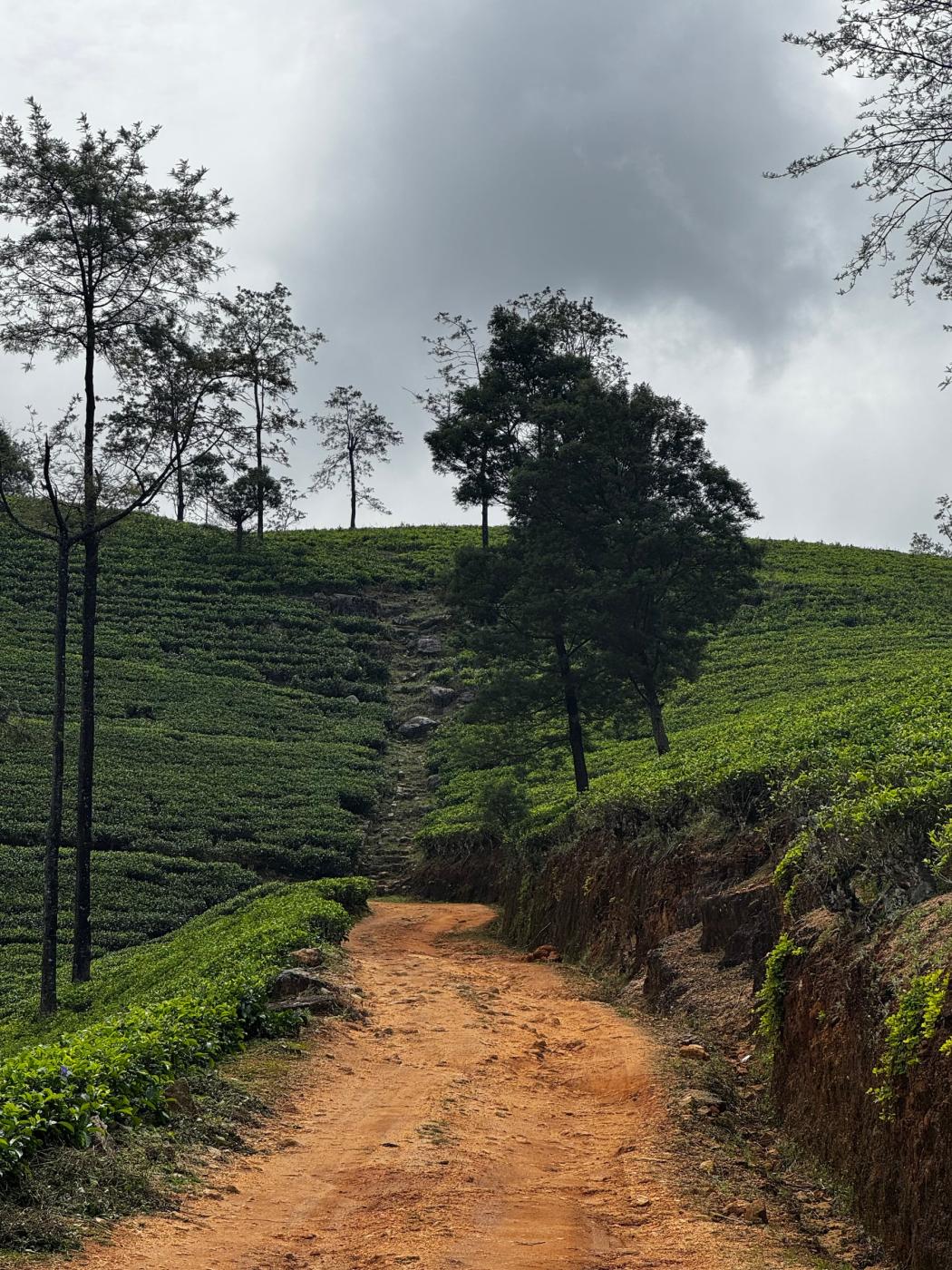
It's worth knowing that Ceylon's tea story really began in 1867, when the Scotsman James Taylor established the first commercial plantation near Kandy. Before that, the island lived off coffee, but a fungal blight wiped out the crops. So the British bet on tea – and today the whole world knows the name "Ceylon tea".
A wicker basket on your back
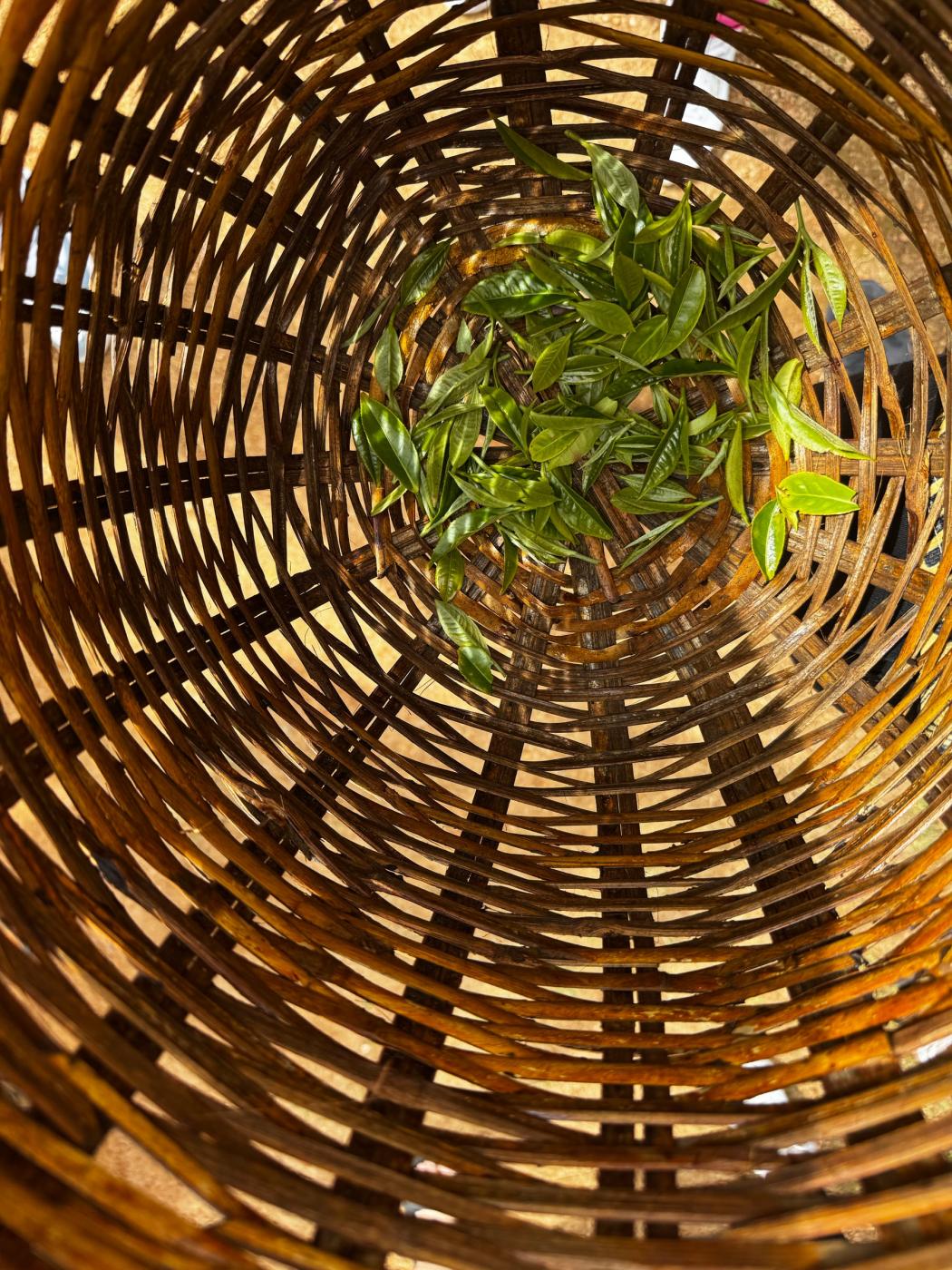
Then we were handed baskets. The very same ones the pickers carry – slung over the head or shoulder. There's just one rule: you pick only the two youngest leaves and a bud. Sounds simple? After a few minutes of bending over the bushes in the humid air, with mist gliding just above our heads, we understood how hard this work is. At the bottom of our baskets lay barely a handful of pale green leaves, while professional pickers can gather well over ten kilos a day.
A factory that smells of green
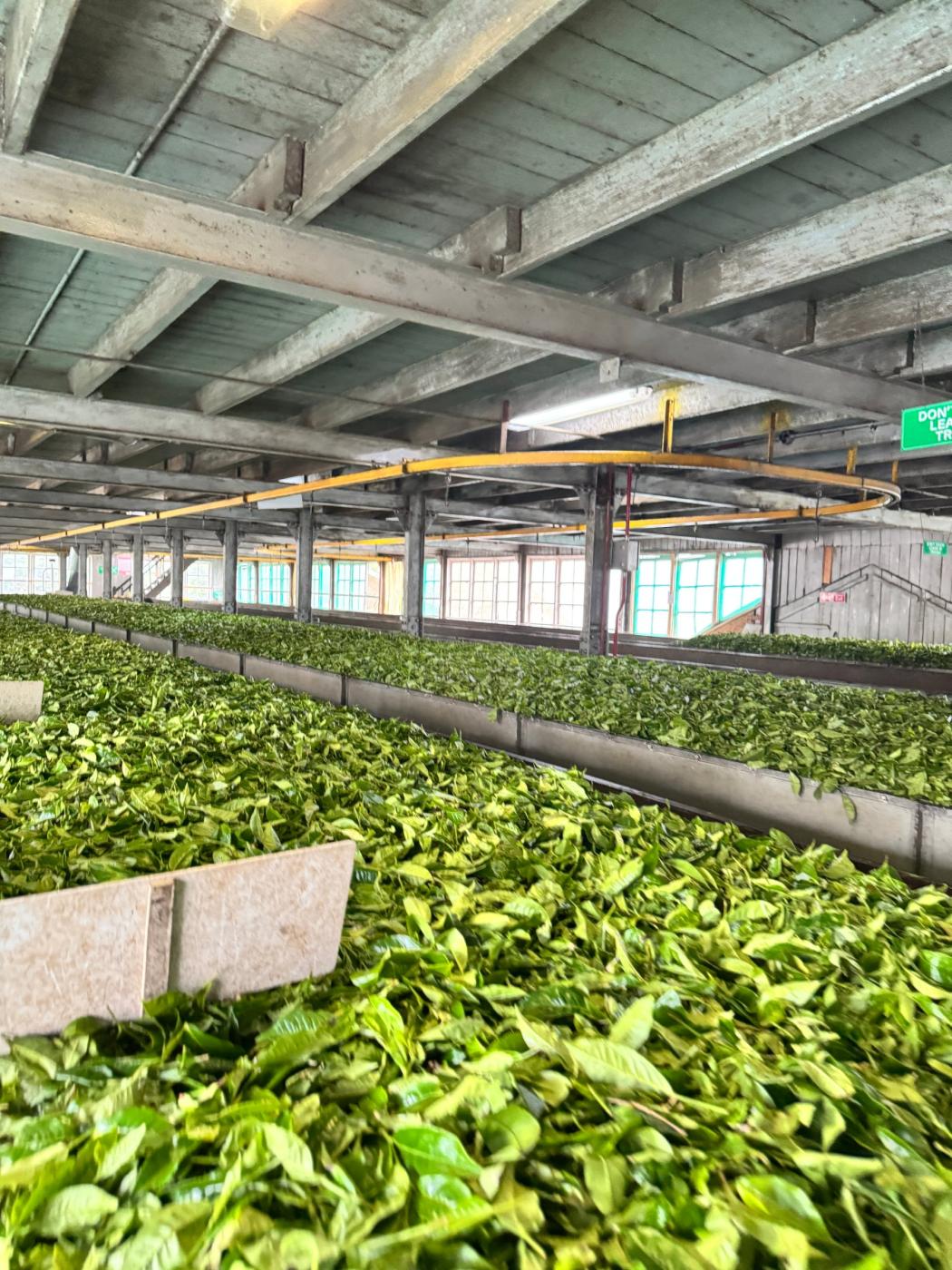
Walking into the factory, you're hit by the scent – fresh, grassy, slightly sweet. Tons of leaves lie in long troughs with air flowing through them. This is withering, the first stage of production. Then the leaves are rolled, fermented – that is, oxidised – and dried until they turn into the dark granules we know from tea bags. From the top of the hall you can see the machines, colourful crates and people who have been doing this for years. Practical tip: a sign by the road says organised tours must book their factory visit in advance.
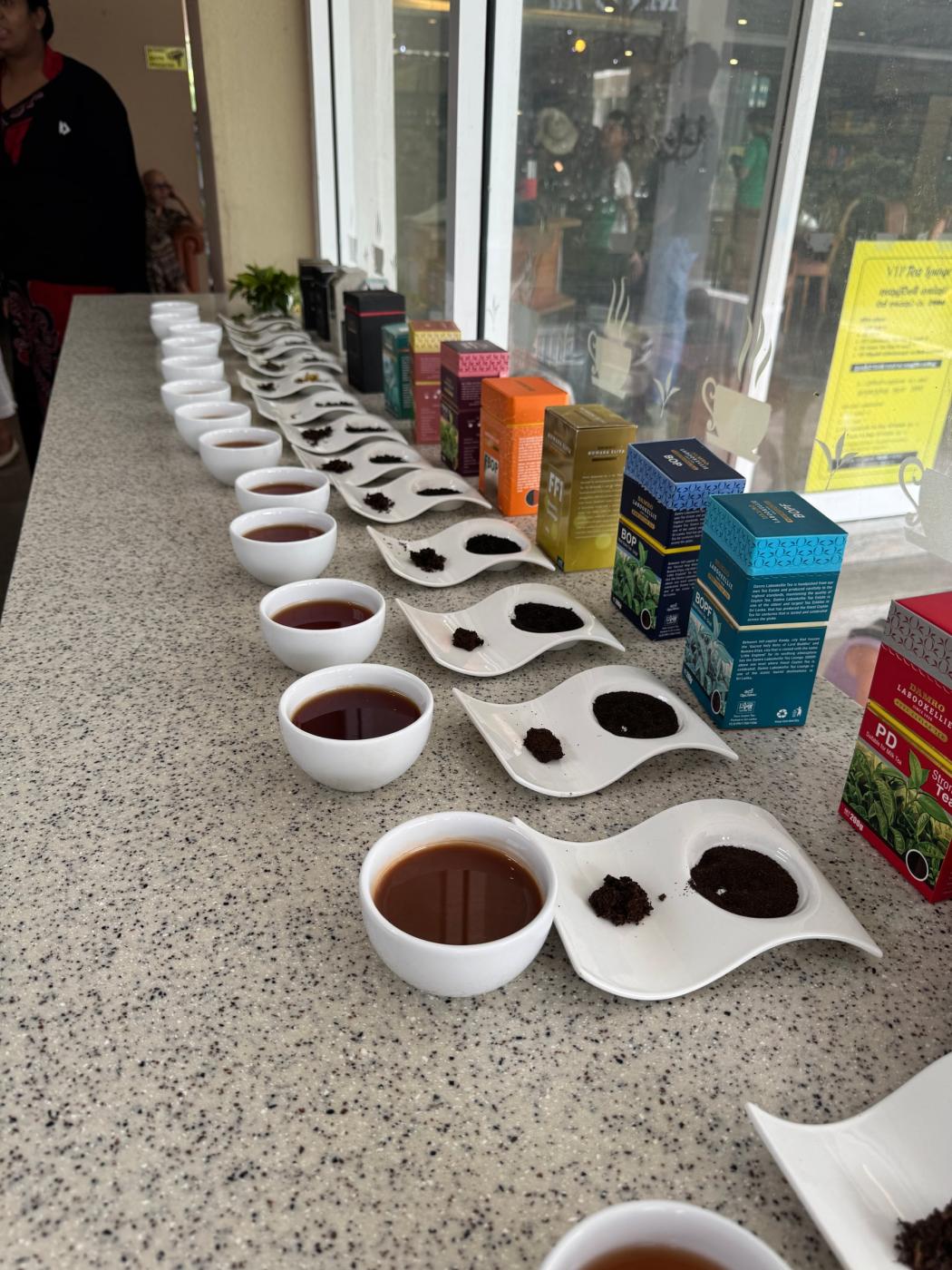
Finally, the tasting. A row of white cups was set out on a long counter – from pale golden tea to an almost black brew, each with its dry leaves beside it. The same plant, and so many flavours. Nobody adds sugar blindly here.
A buffet and an icy river
Starving, we stopped at the Ramboda Inn Restaurant on the road to Nuwara Eliya – the buffet cost 2,500 rupees per person, and a cold beer tasted exceptionally good after that day. But the best came at the very end. We climbed down to a mountain river, between huge mossy boulders, and stepped into the water. Cold, rushing, crystal clear. Squeals, laughter, splashing – after a whole day of humidity and dust, it was pure euphoria.
We headed back with the scent of tea in our hair and soaking wet clothes. And you know what? Ever since, every cup tastes different. Because now we know how many hands picked it.
🧭 Next stages of this trip
This isn't the end — see what happened next
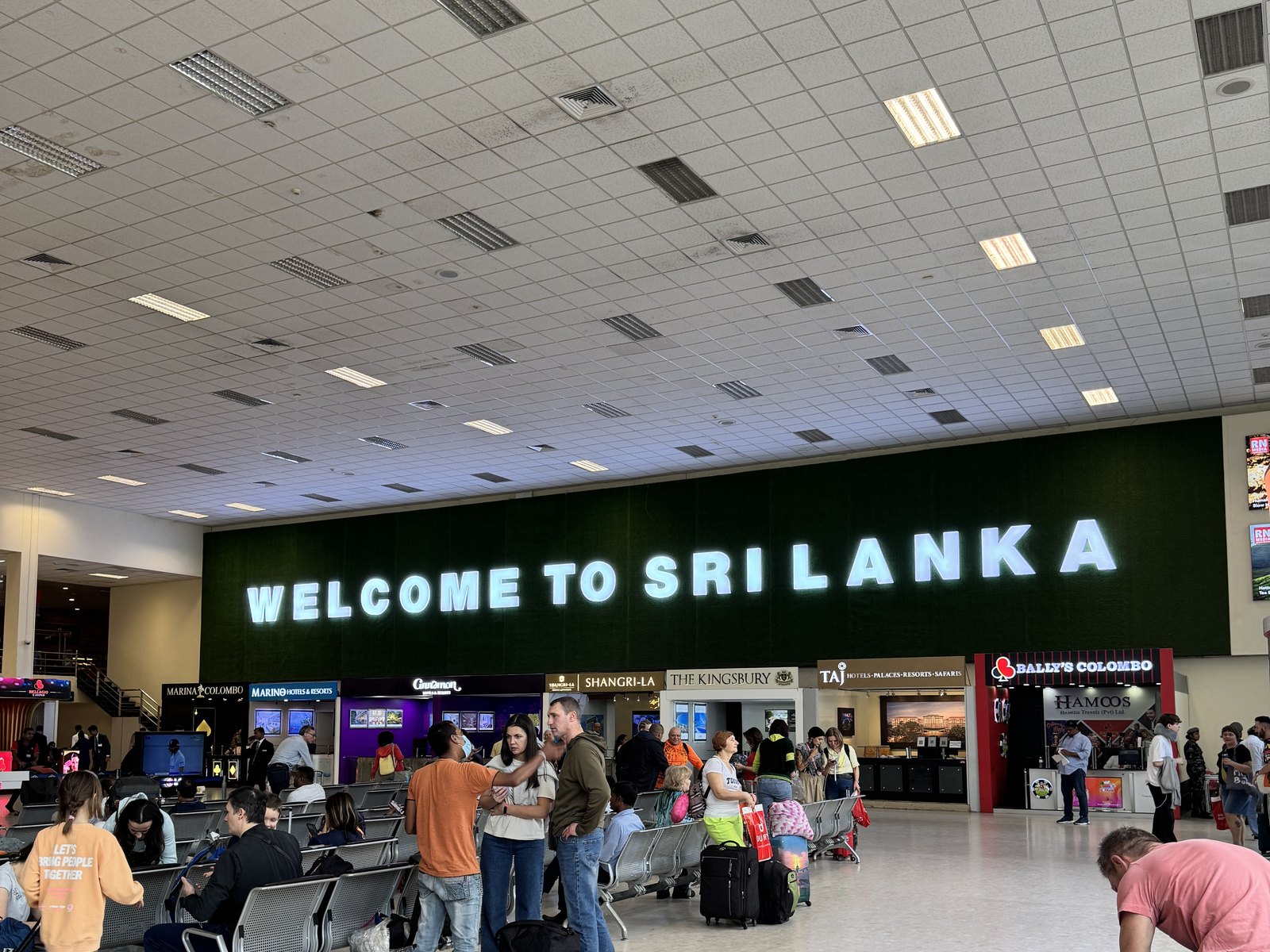
Ayubowan, Sri Lanka! The first day between the runway and the castle on the hill
📍 Katunayake – Kandy
👀 551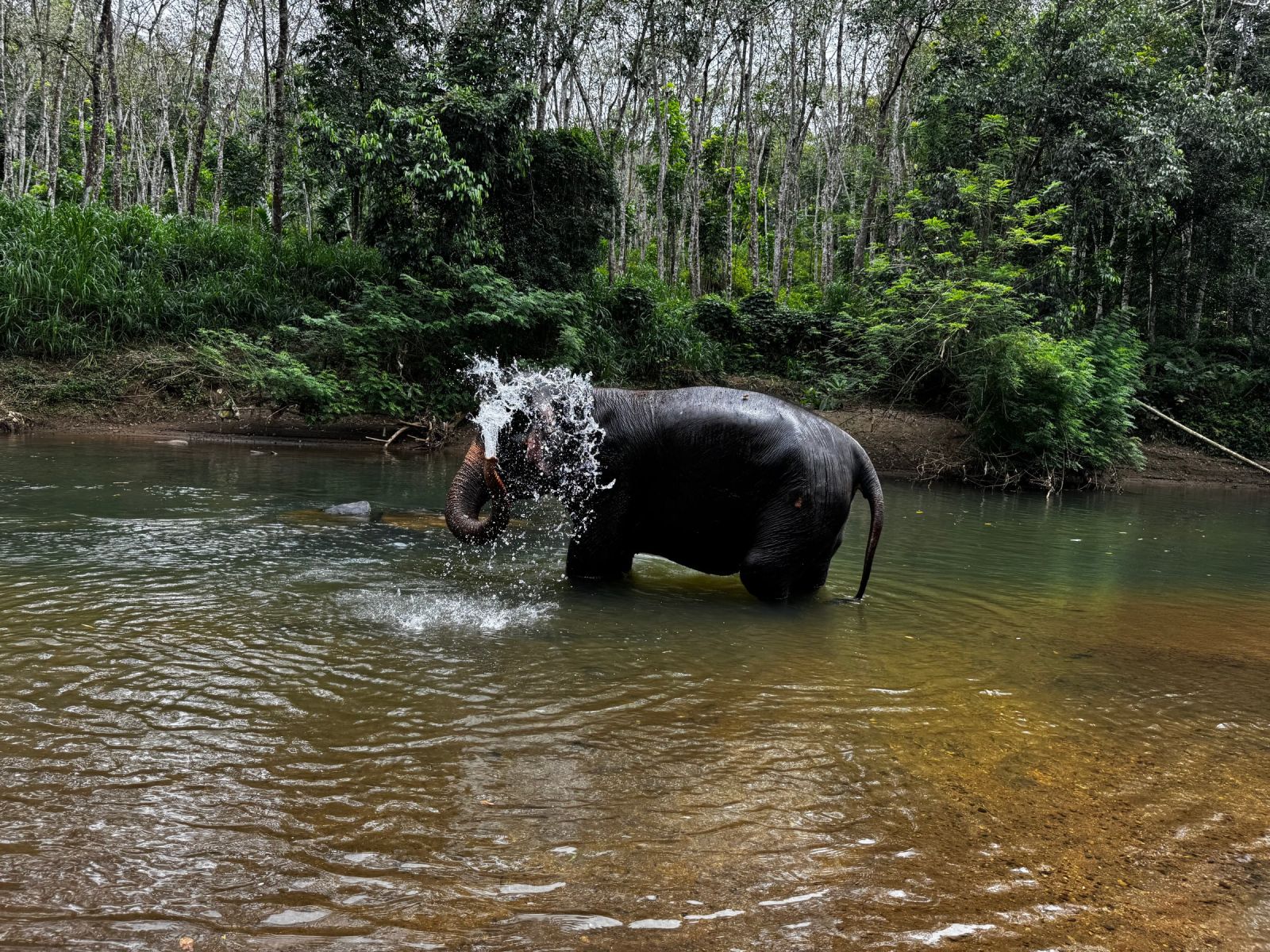
An elephant in the river, a nut in the palm of your hand, Buddha’s tooth at dusk: the longest day in the heart of Sri Lanka
📍 Hemmathagama and Kandy – The Temple of the Tooth Relic
👀 330
Two Leaves and a Bud: The Day Sri Lanka Taught Us How to Drink Tea
📍 Kothmale – Ramboda, the tea hills
👀 403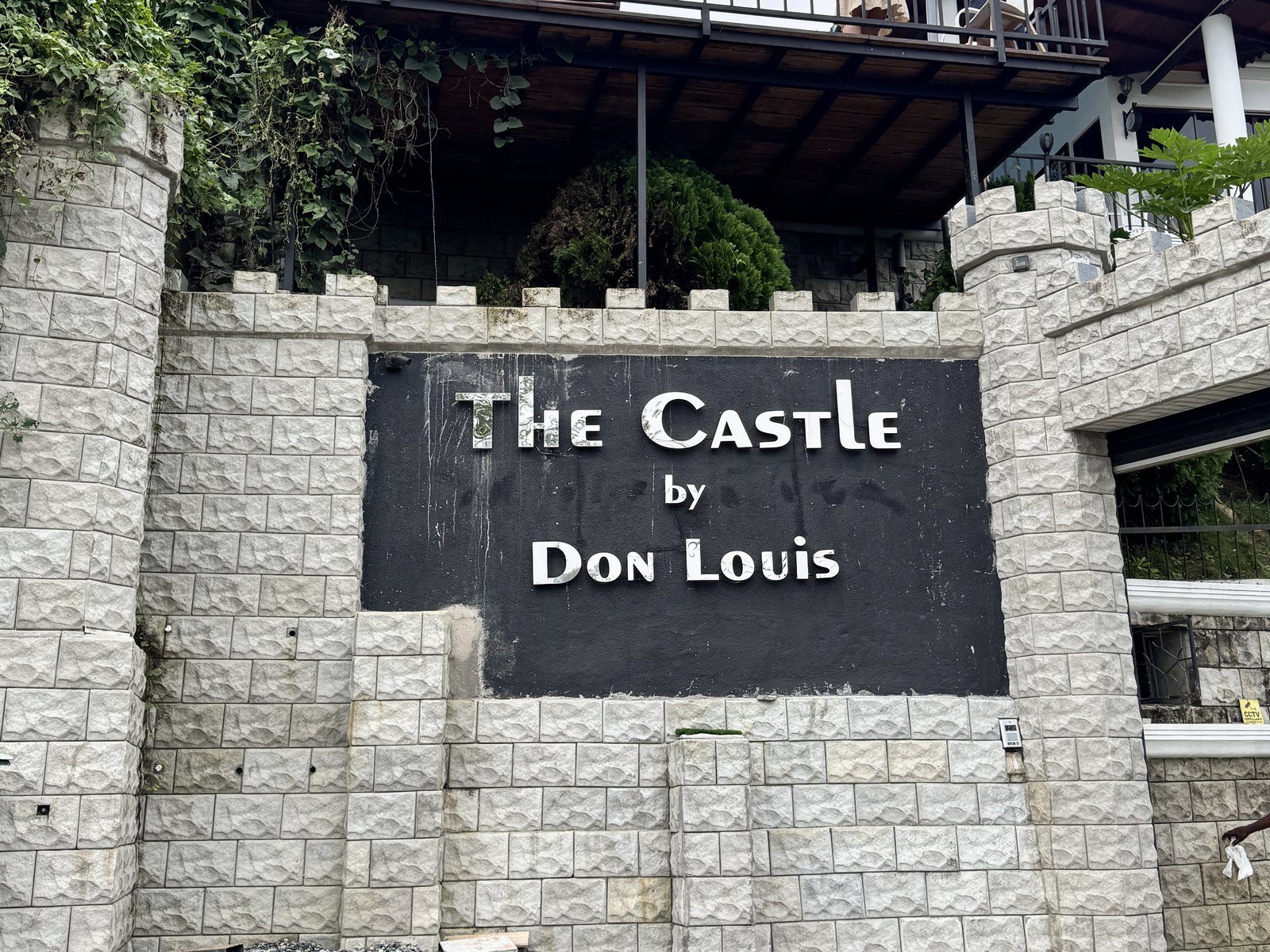
A Night in a Castle, a Morning on the Platform: How Kandy Bid Us Farewell with a Locomotive Whistle
📍 Kandy – The Castle by Don Louis and the railway station
👀 375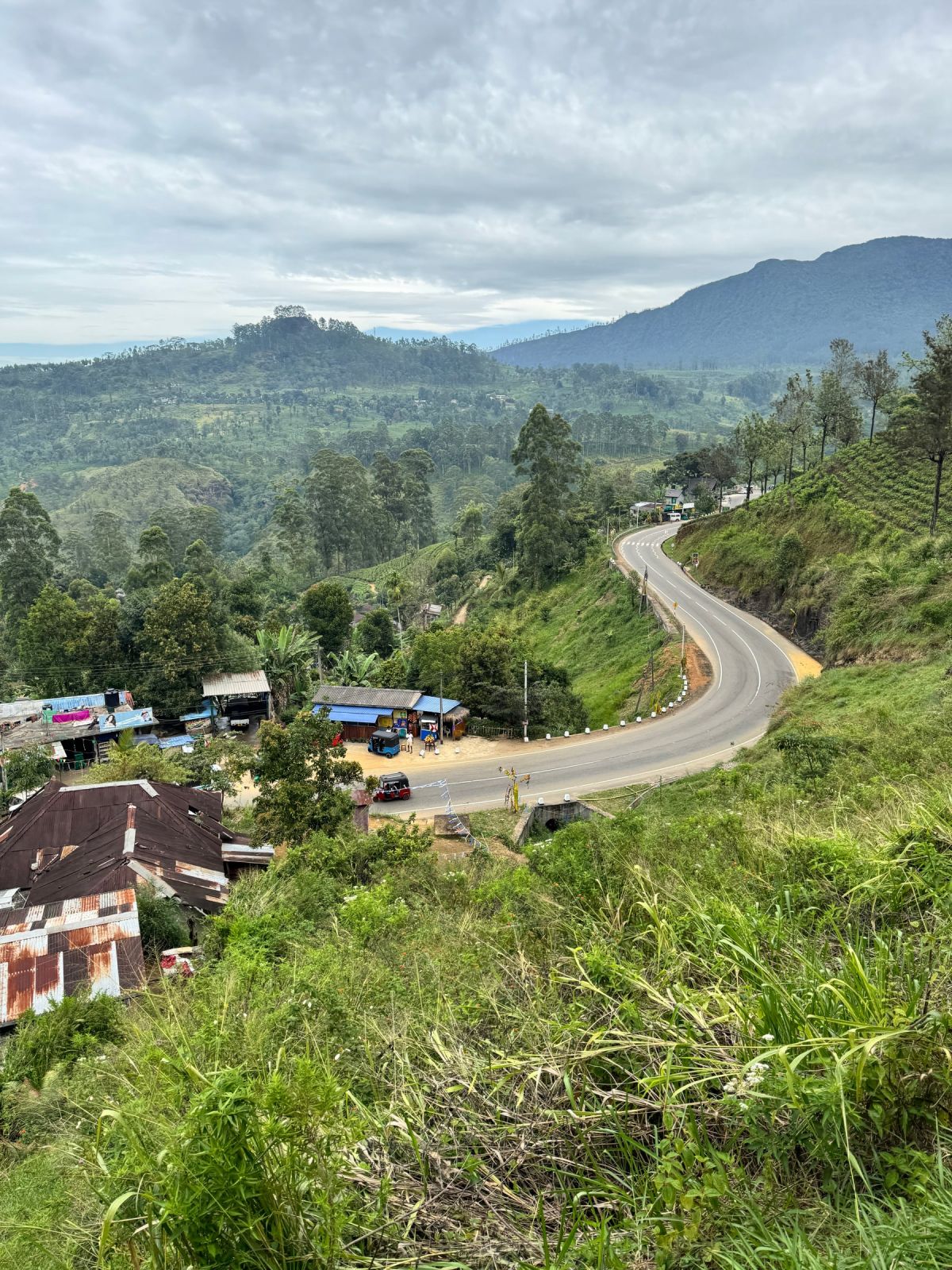
A Train to the Clouds: 1,855 Metres Above Sea Level, Head Out the Window
📍 Kotagala – the railway through the tea hills
👀 283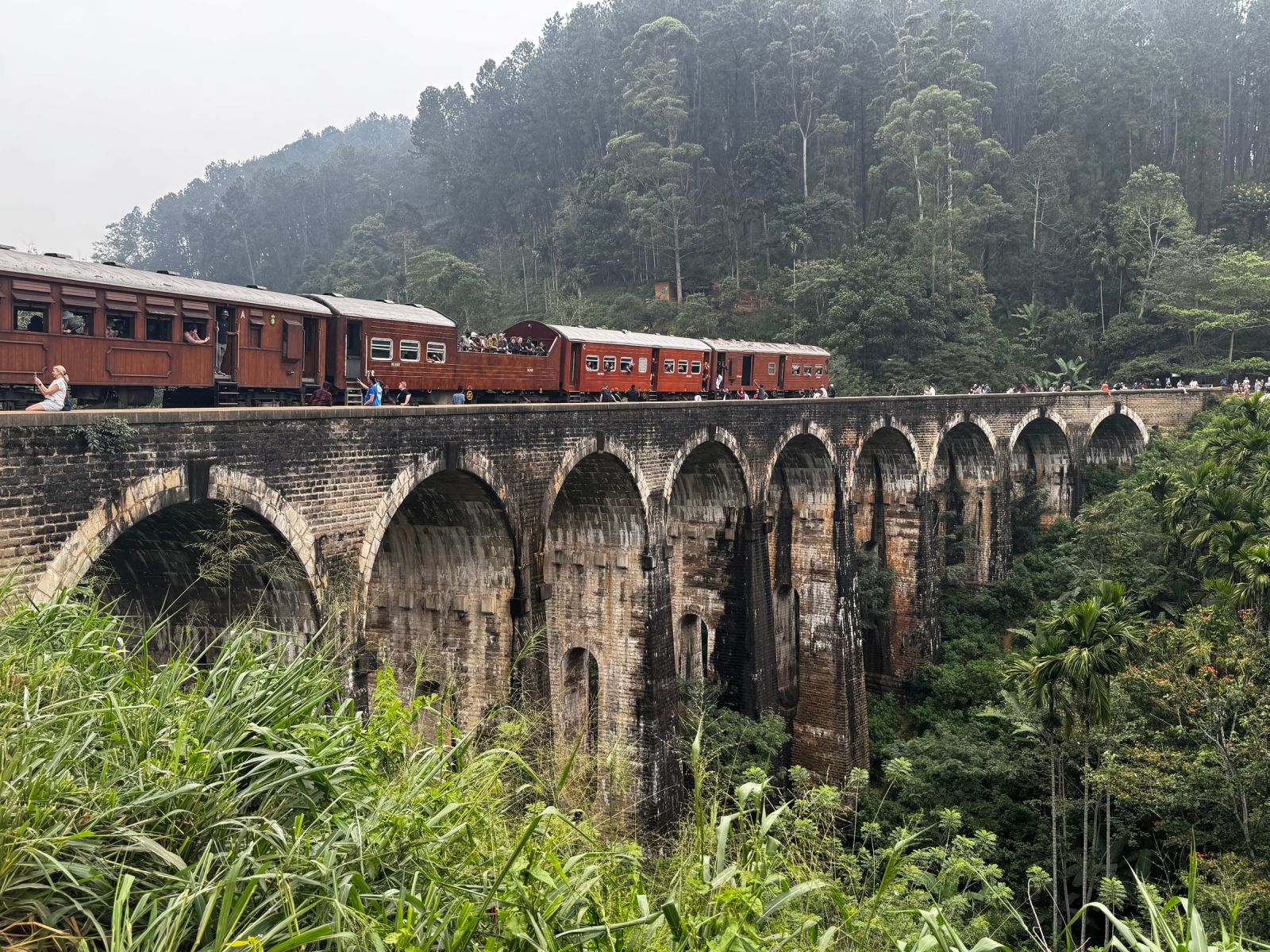
Nine Arches Above the Jungle: Ella, Where the Train Stops for Photos and Monkeys Guard the Waterfall
📍 Ella – Nine Arch Bridge and Ravana Falls
👀 294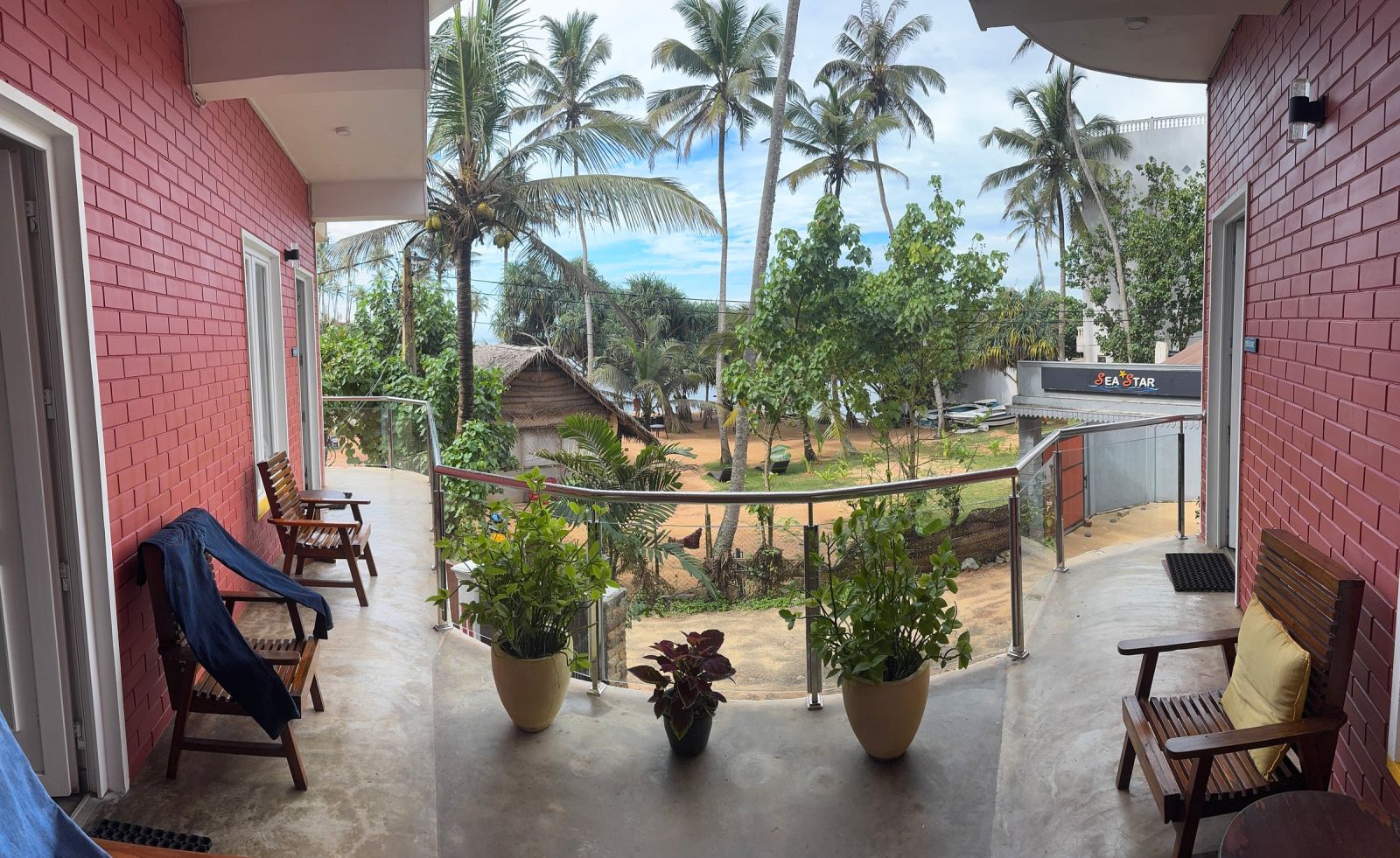
Mirissa: A Fin on the Horizon, Fish on the Plate and Names Written in Sinhala
📍 Mirissa – a dawn cruise and the southern beaches by night
👀 283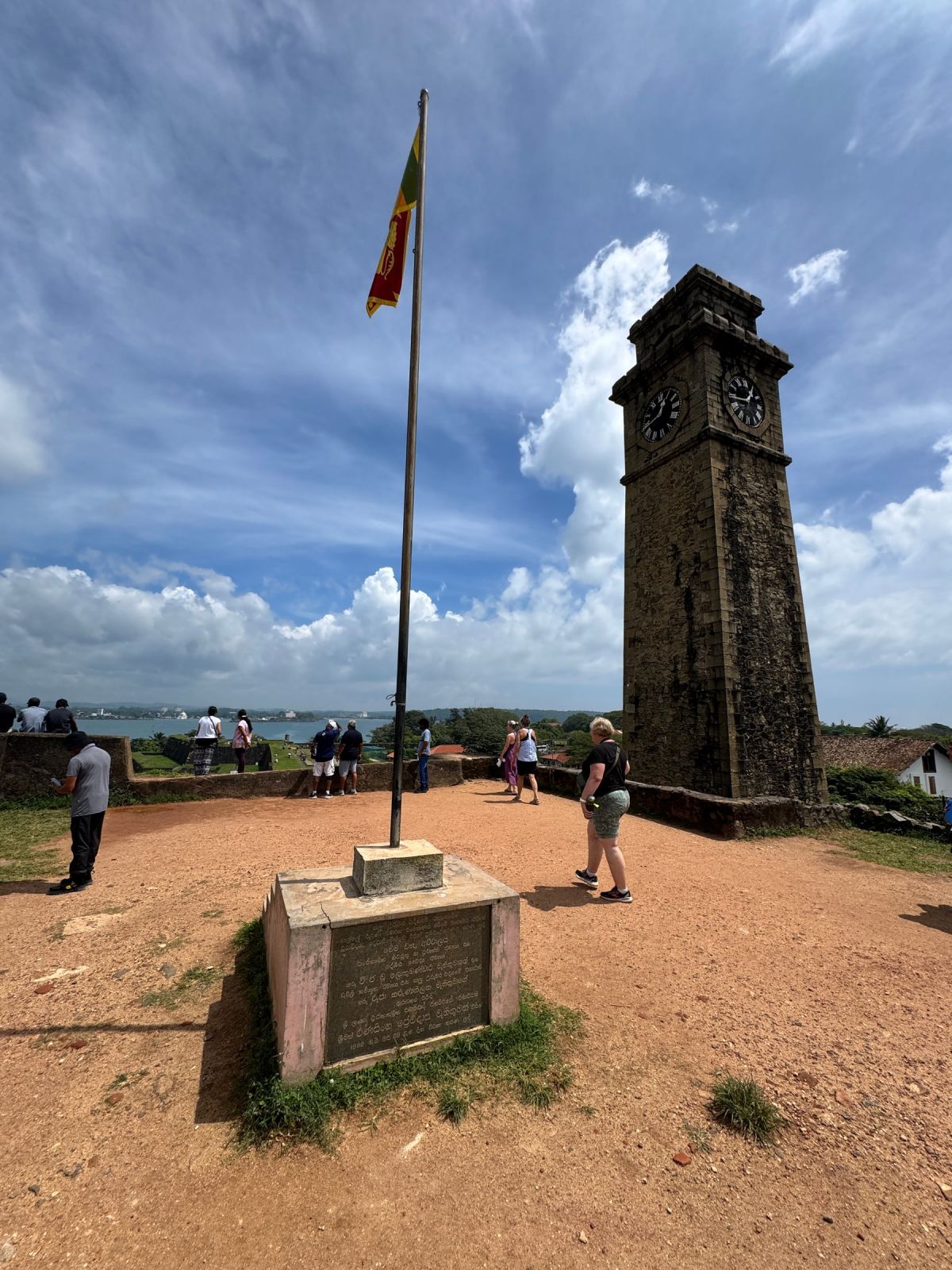
Galle: Thread That Changes Colour, and Walls That Remember the Galleons
📍 Galle – handloom weaving mill and Galle Fort
👀 295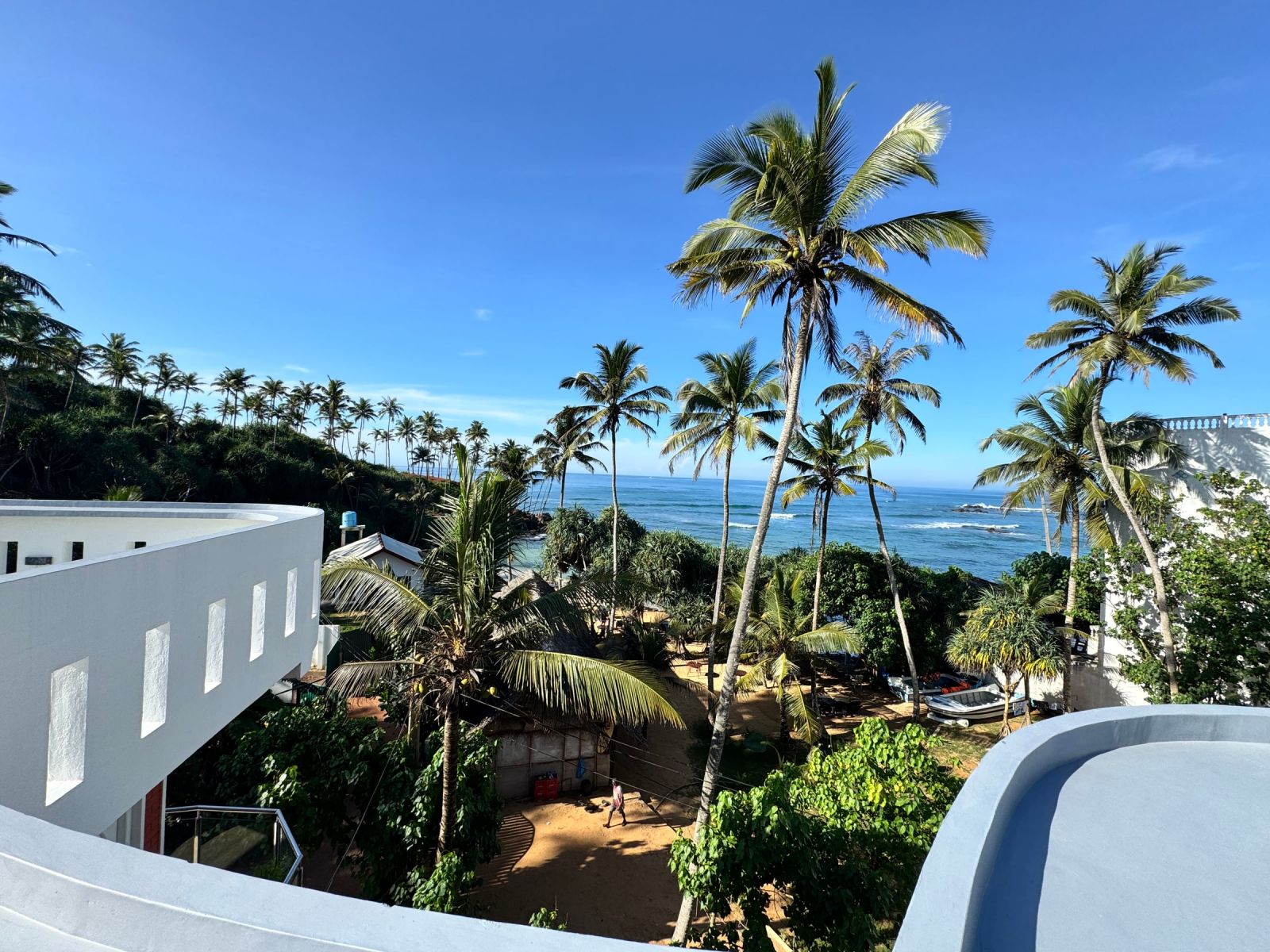
Ahangama: Shells That Remember the Dinosaurs, and Eggs Waiting in the Sand for Their Chance
📍 Ahangama – the coast and a sea turtle hatchery
👀 283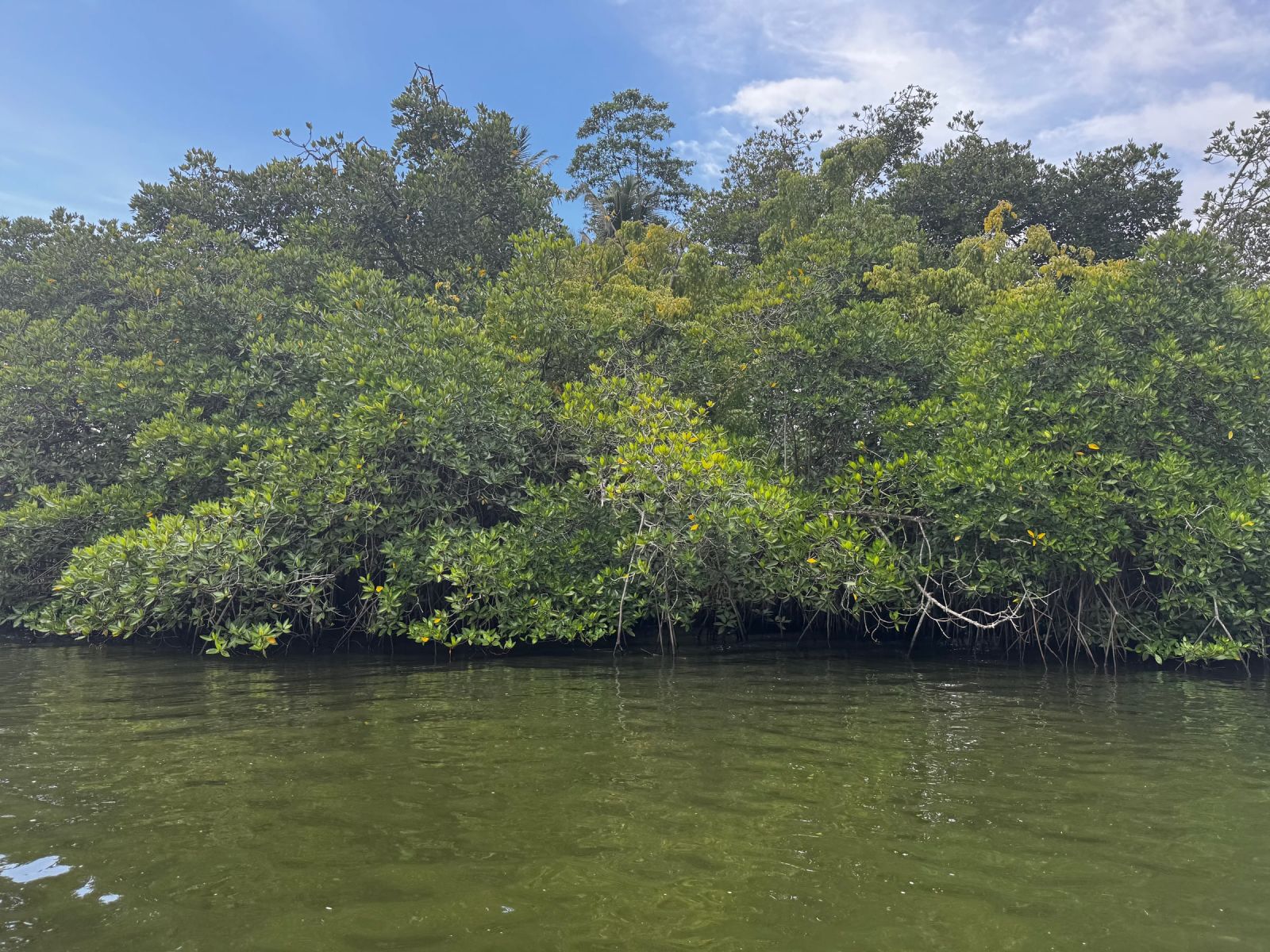
Madu Ganga: A Green Tunnel, the Scent of Cinnamon and a Buddha Who Isn't Afraid of the Rain
📍 Balapitiya – Madu Ganga River
👀 136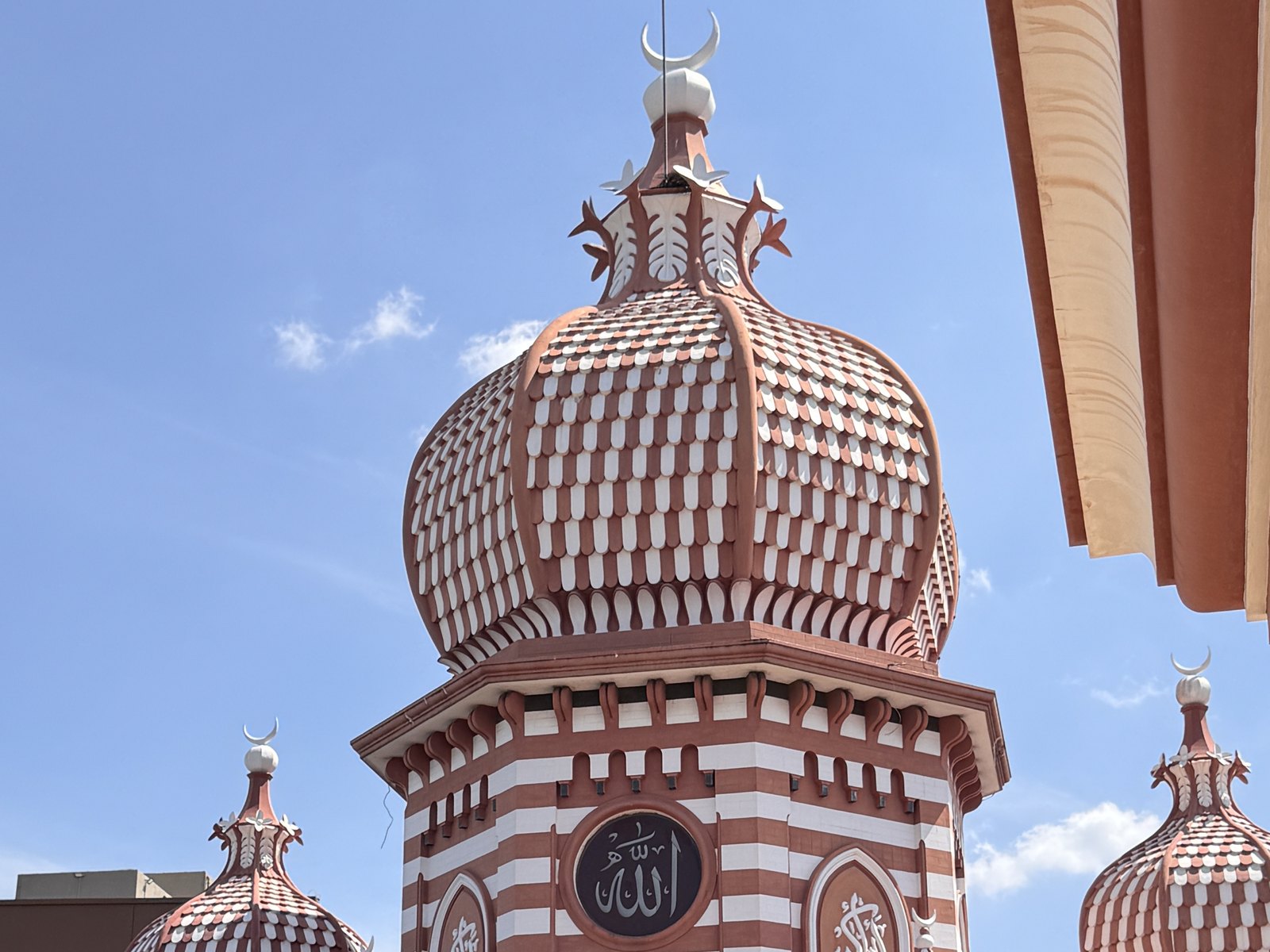
Colombo: Golden Swords of Kings, a Striped Mosque and One Last Bite Before the Flight Home
📍 Colombo – National Museum, Pettah and Gangaramaya
👀 364