Ahangama: Shells That Remember the Dinosaurs, and Eggs Waiting in the Sand for Their Chance
📍 Ahangama – the coast and a sea turtle hatchery
There are moments on a journey when the world slows down for a while. Imagine a warm, humid evening on the southern coast of Sri Lanka. The ocean murmurs beyond the wall, and a plate full of juicy, orange mango lands on a small wooden table. Around it lie rambutans – hairy red balls that look like fruit from another planet. You tear open the skin, and inside waits white, glassy flesh, sweet as lychee. We sat together until late, juice running down our fingers, telling each other once again that you simply can't buy mango like this back home in Poland.
A morning that looks like a wallpaper
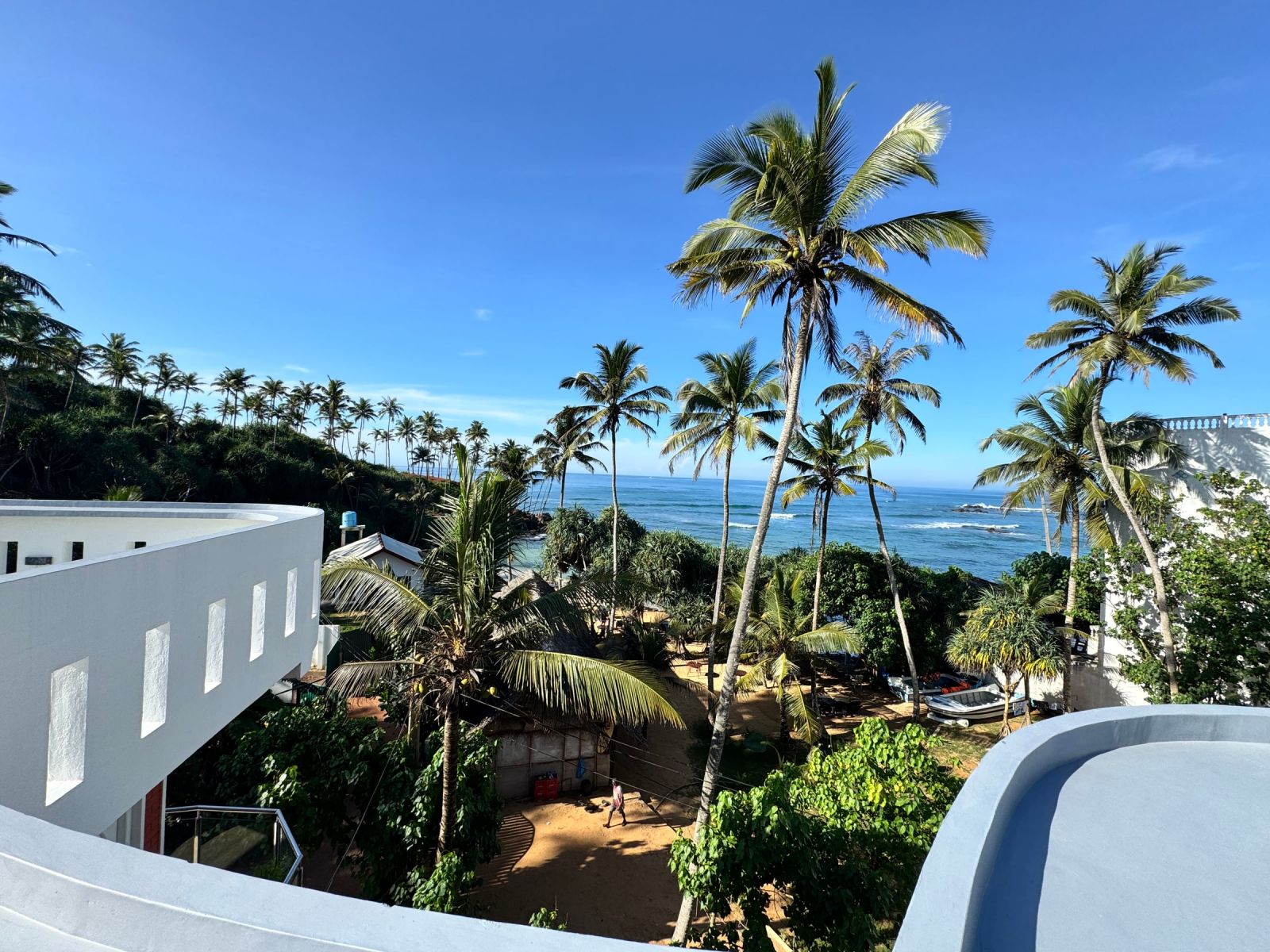
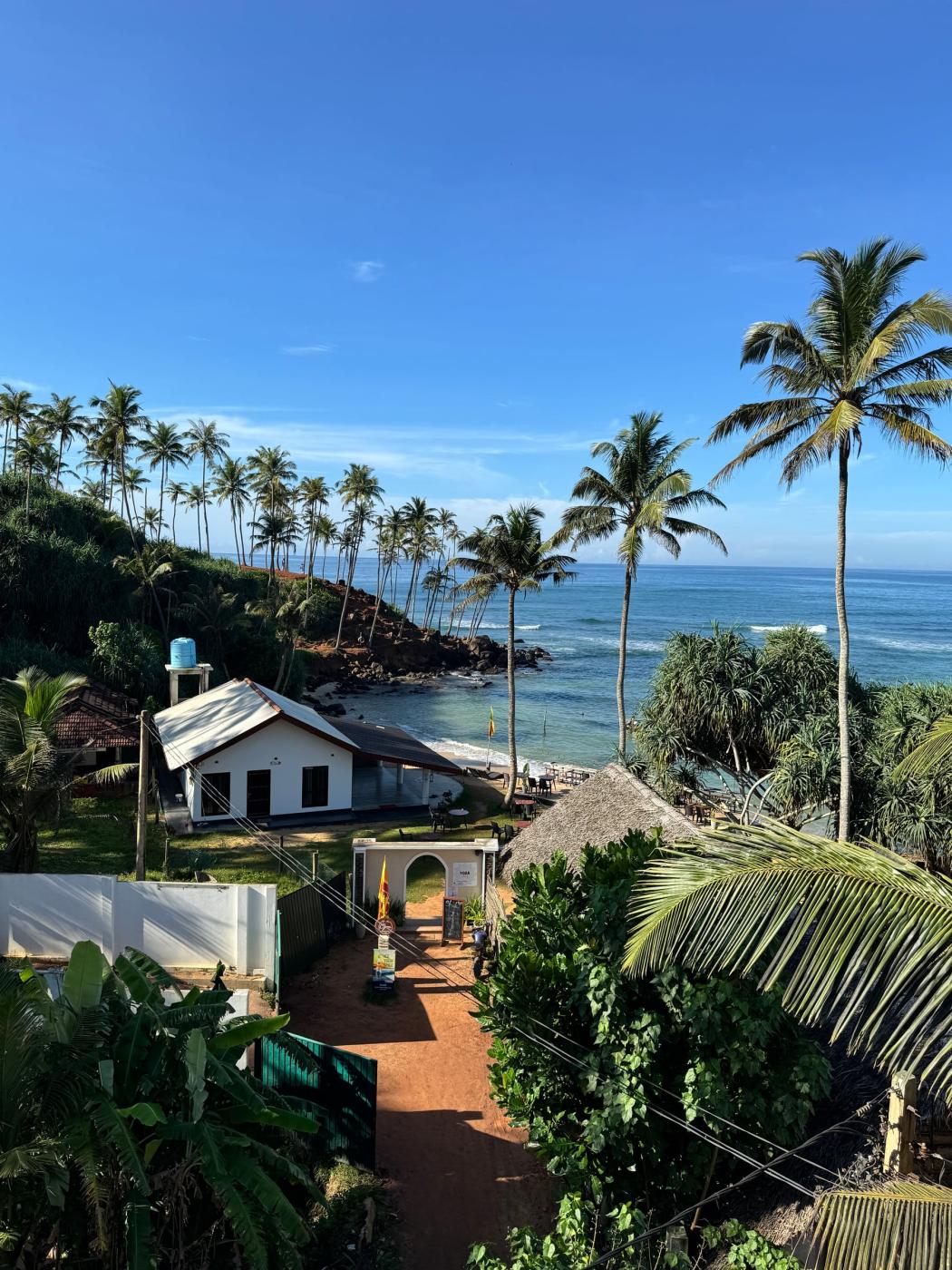
In the morning we went up to the roof and fell silent. Look: the crowns of coconut palms sway over a sandy yard, the sky is a colour no filter could fake, and beyond the green wall of vegetation the ocean crashes against black rocks, leaving white manes of foam. The sun was only just warming up, but you could already feel it would be a hot day – the phone showed almost thirty degrees before lunch. We took the obligatory photo of the whole crew against this paradise, because mornings like this you never forget.
Meeting the dinosaurs of the ocean
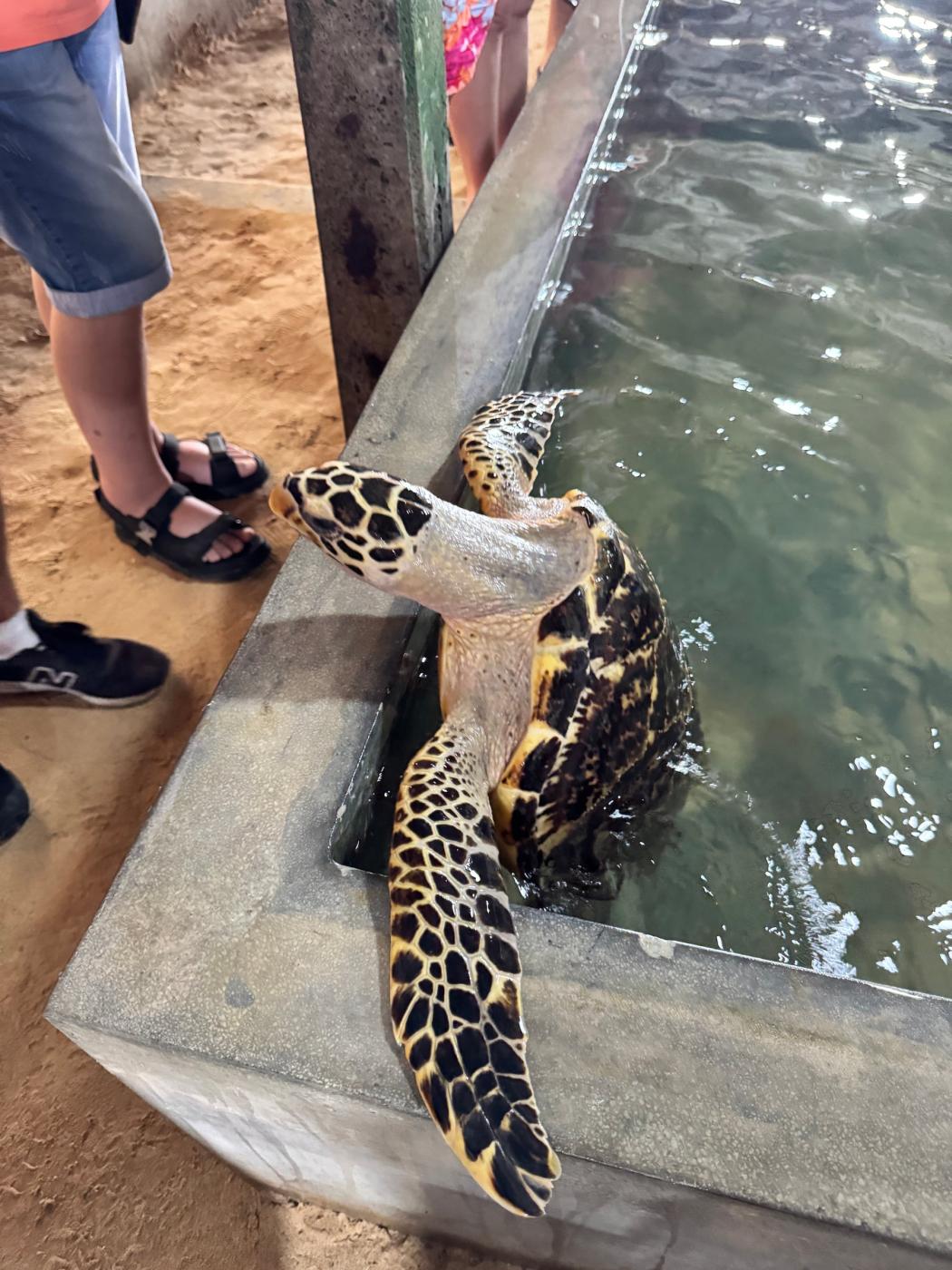
Before noon we drove to a sea turtle hatchery. Under a corrugated iron roof stand concrete pools of greenish water, and in them – them. Turtles, whose kind swam the oceans before dinosaurs walked the Earth. You lean over the edge, and beneath the surface a huge shell glides by, calmly, majestically, as if time had no meaning here.
The keeper showed us a board with the species. Fun fact: as many as five of the world's seven sea turtle species nest on Sri Lanka's beaches. We were most enchanted by the hawksbill – a turtle with a sharp, bird-like beak and scales overlapping like roof tiles. For centuries its shell was used to make combs and ornaments, which is why today it is critically endangered. Next to it swam a turtle with a shell the colour of polished amber – close your eyes for a moment and imagine the sun in the water lighting up those copper, brown and golden hues.
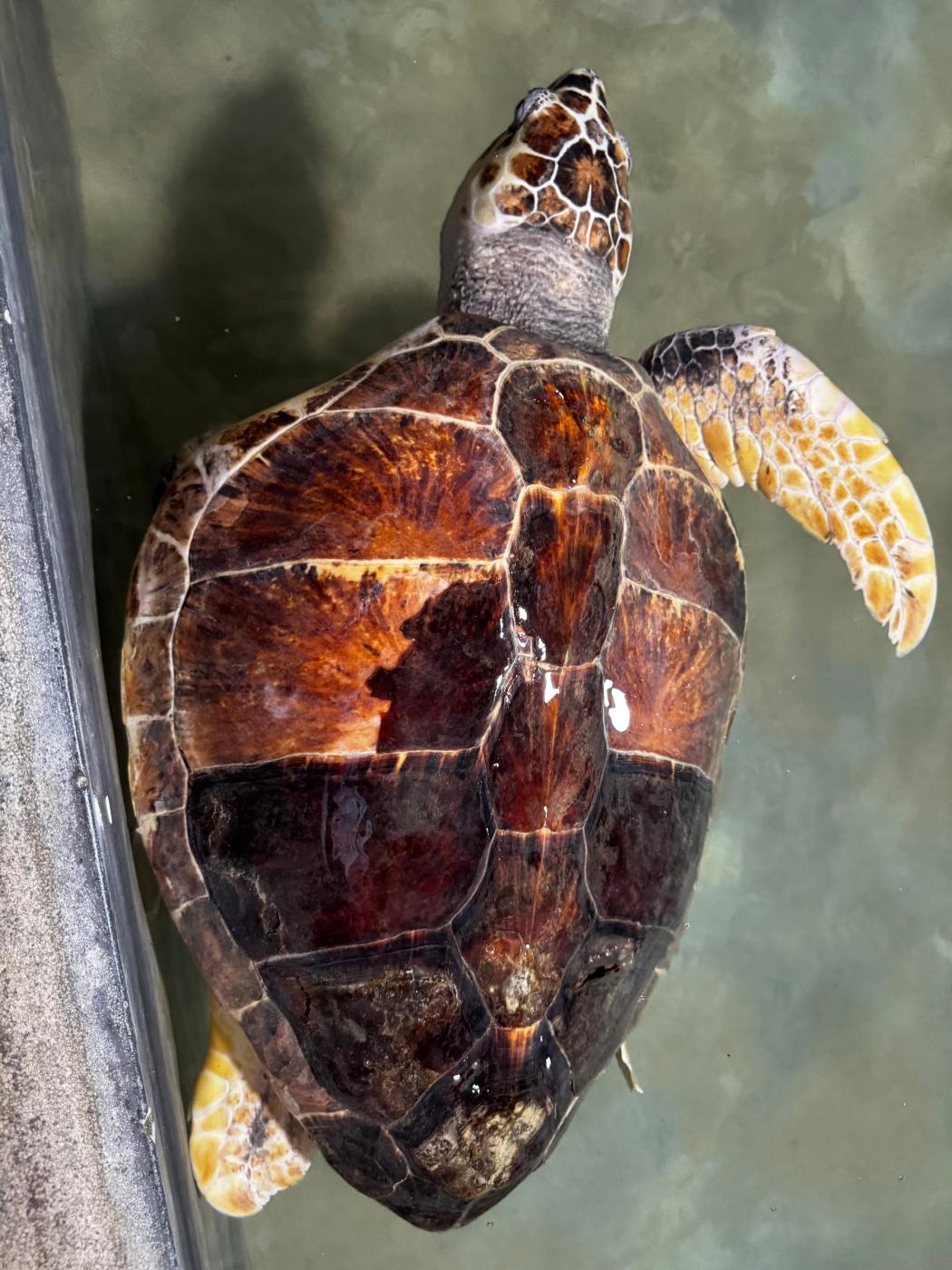
A touch that stays in your hand We were allowed to gently touch a shell. It's hard, cool, slightly slippery from the water. One of the turtles poked its head over the edge of the pool, stretched out a flipper and looked at us as if it were the one sightseeing, not the other way round. Many of the pools' residents are injured or disabled animals that wouldn't cope in the ocean.
Eggs in the sand and the maths of survival
In a jar of water lay three white balls about the size of ping-pong balls. That's what turtle eggs look like. Behind a fence, right by the beach, we saw an enclosure of sand bristling with dozens of little signs bearing dates and the species name – Olive Ridley. Under each one a nest is buried. Hatchery staff buy or collect eggs from the beaches to protect them from poachers and predators. After roughly a month and a half to two months, the little ones dig their way out of the sand and are released into the ocean. Interestingly, it's the temperature of the sand that decides whether a male or a female hatches from the egg.
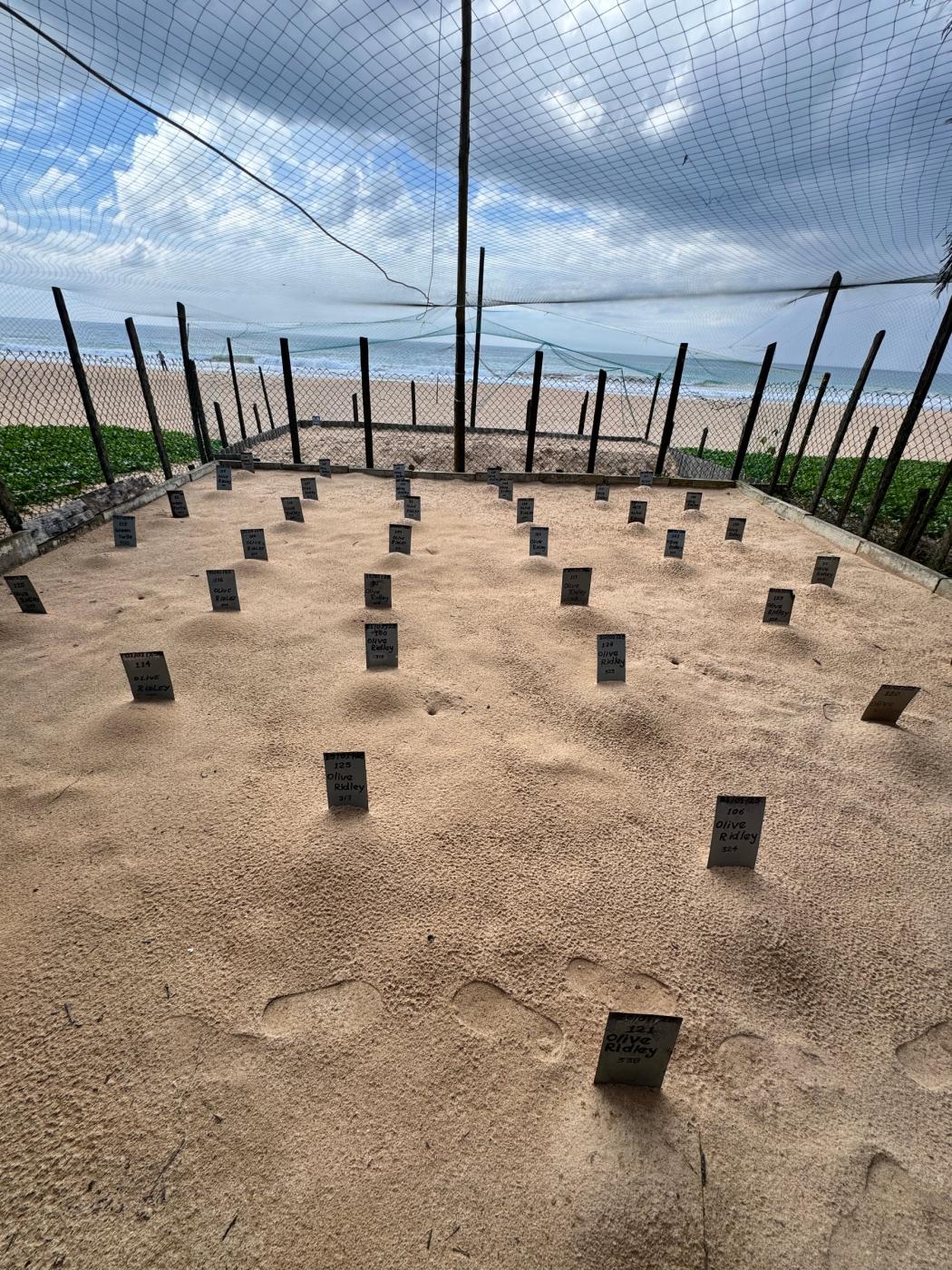
And now the numbers that put a lump in your throat: it's estimated that only one turtle in a thousand survives to adulthood. On the wall hung a board of photos – sunsets, people on the beach and dozens of tiny turtles racing to the water. You look at it and want to keep your fingers crossed for every single one of them.
Everyday life by the roadside
On the way back, Sri Lanka showed us its ordinary face. A red roadside booth, with lottery tickets pegged onto plastic clothes racks – an everyday sight here and a small dream of a big win. Then a stop at a station with a well-worn red fuel pump that has probably seen many a monsoon downpour. These are the shots we love most – no posing, painfully real.
We left Ahangama with sand in our sandals and a strange feeling in our hands, which still remembered the coolness of a turtle's shell. Isn't it hard to find a better reminder of how fragile this beautiful planet is?
🧭 Next stages of this trip
This isn't the end — see what happened next
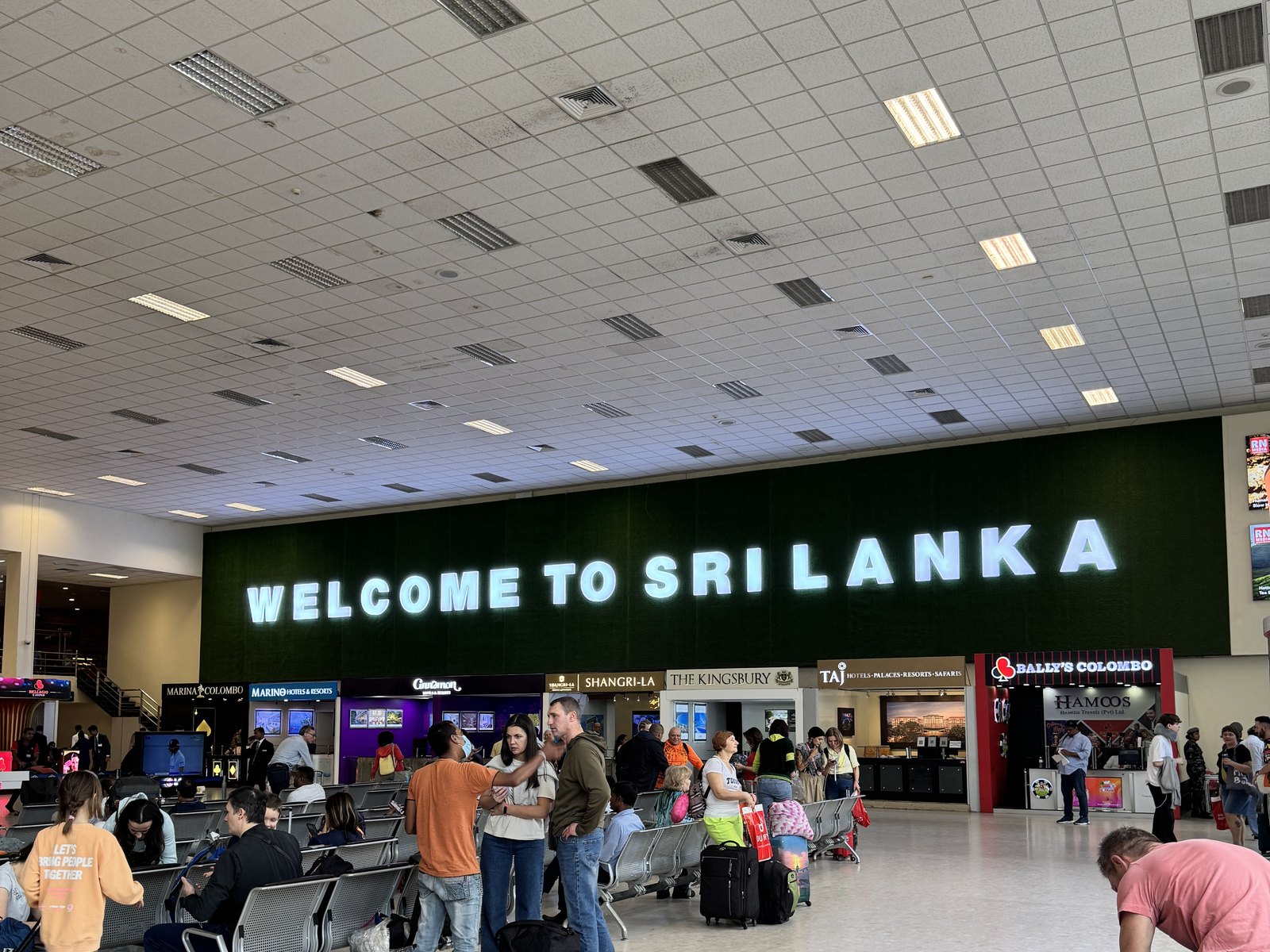
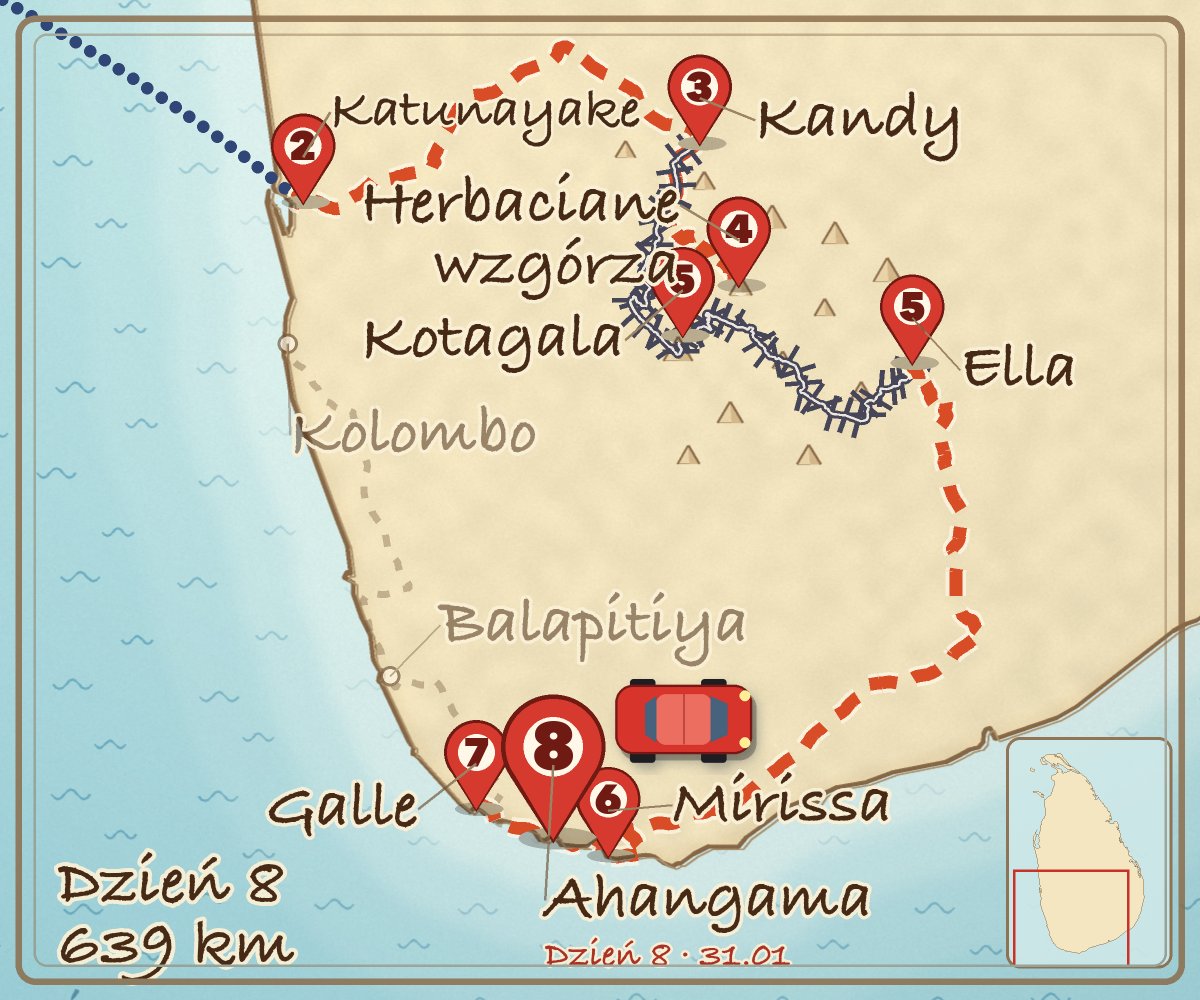
Ayubowan, Sri Lanka! The first day between the runway and the castle on the hill
📍 Katunayake – Kandy
👀 552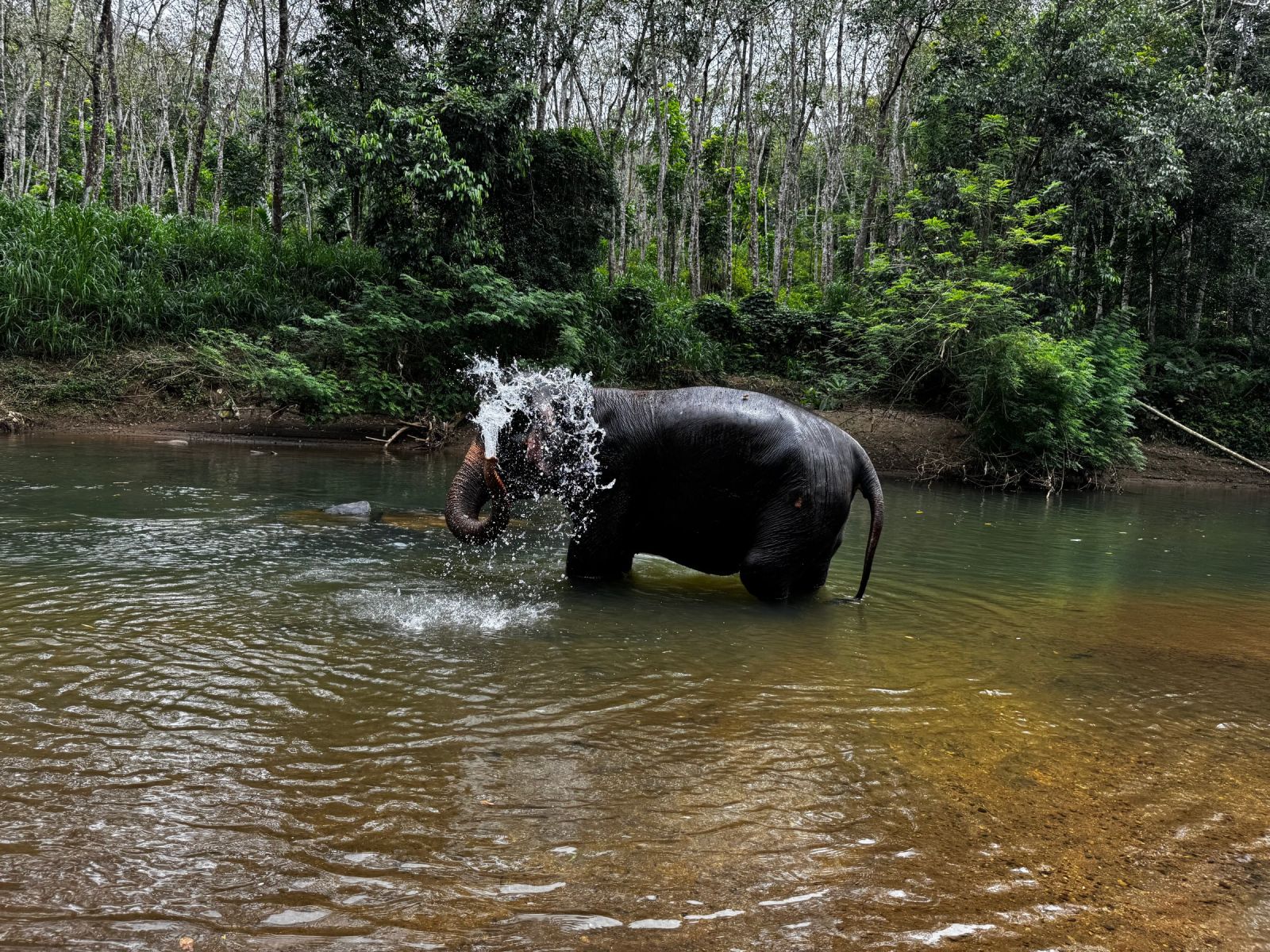
An elephant in the river, a nut in the palm of your hand, Buddha’s tooth at dusk: the longest day in the heart of Sri Lanka
📍 Hemmathagama and Kandy – The Temple of the Tooth Relic
👀 331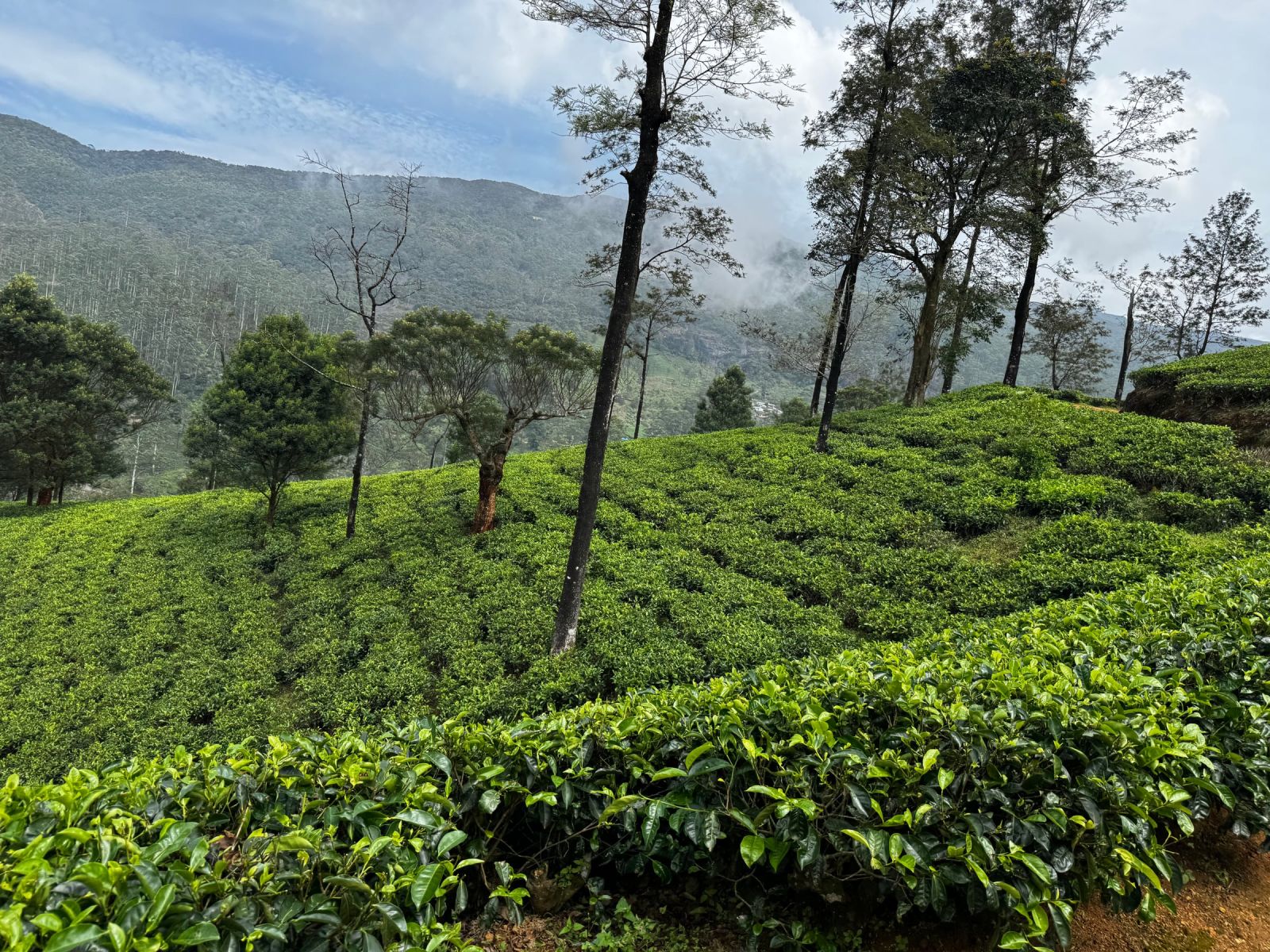
Two Leaves and a Bud: The Day Sri Lanka Taught Us How to Drink Tea
📍 Kothmale – Ramboda, the tea hills
👀 403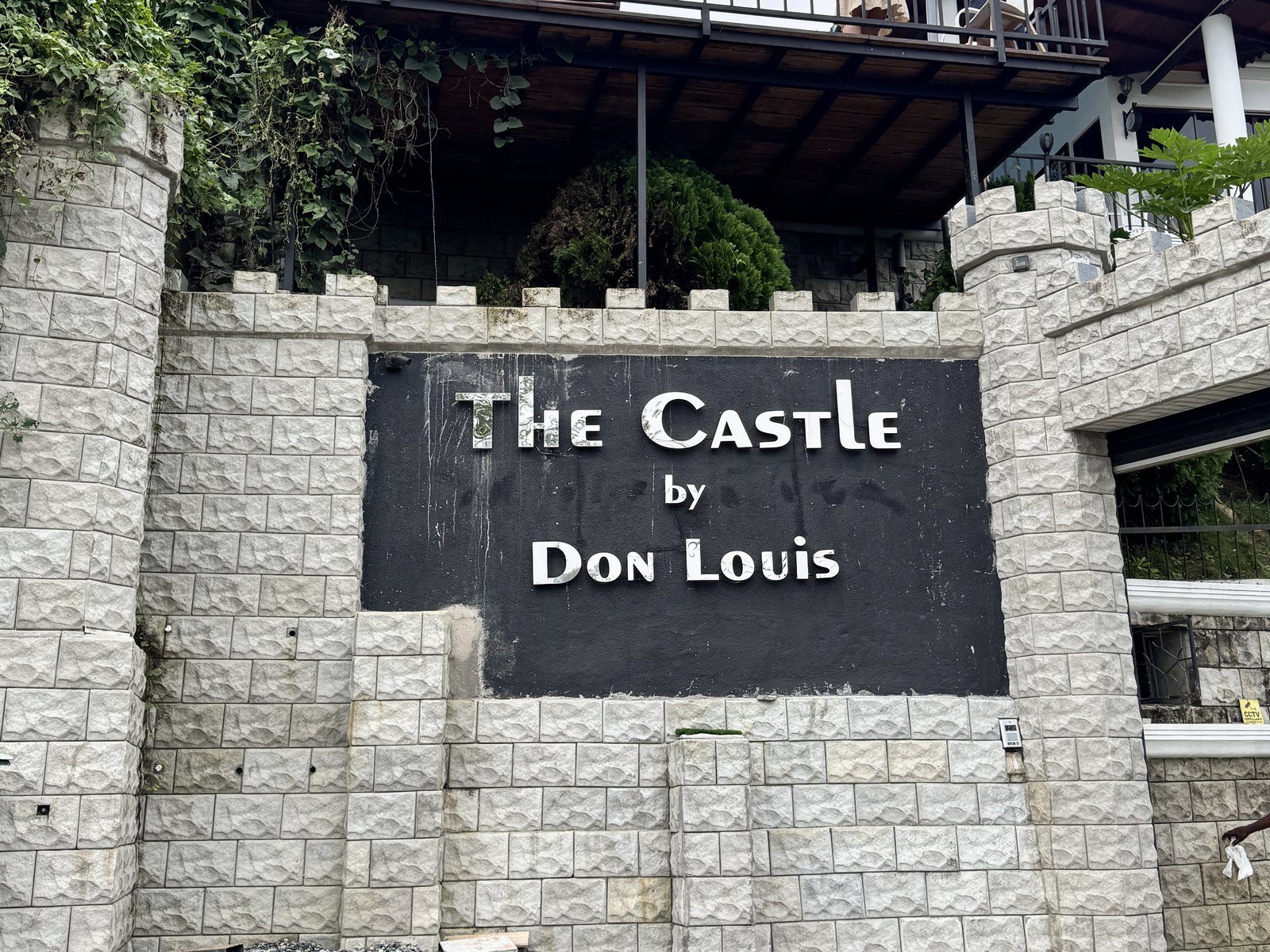
A Night in a Castle, a Morning on the Platform: How Kandy Bid Us Farewell with a Locomotive Whistle
📍 Kandy – The Castle by Don Louis and the railway station
👀 376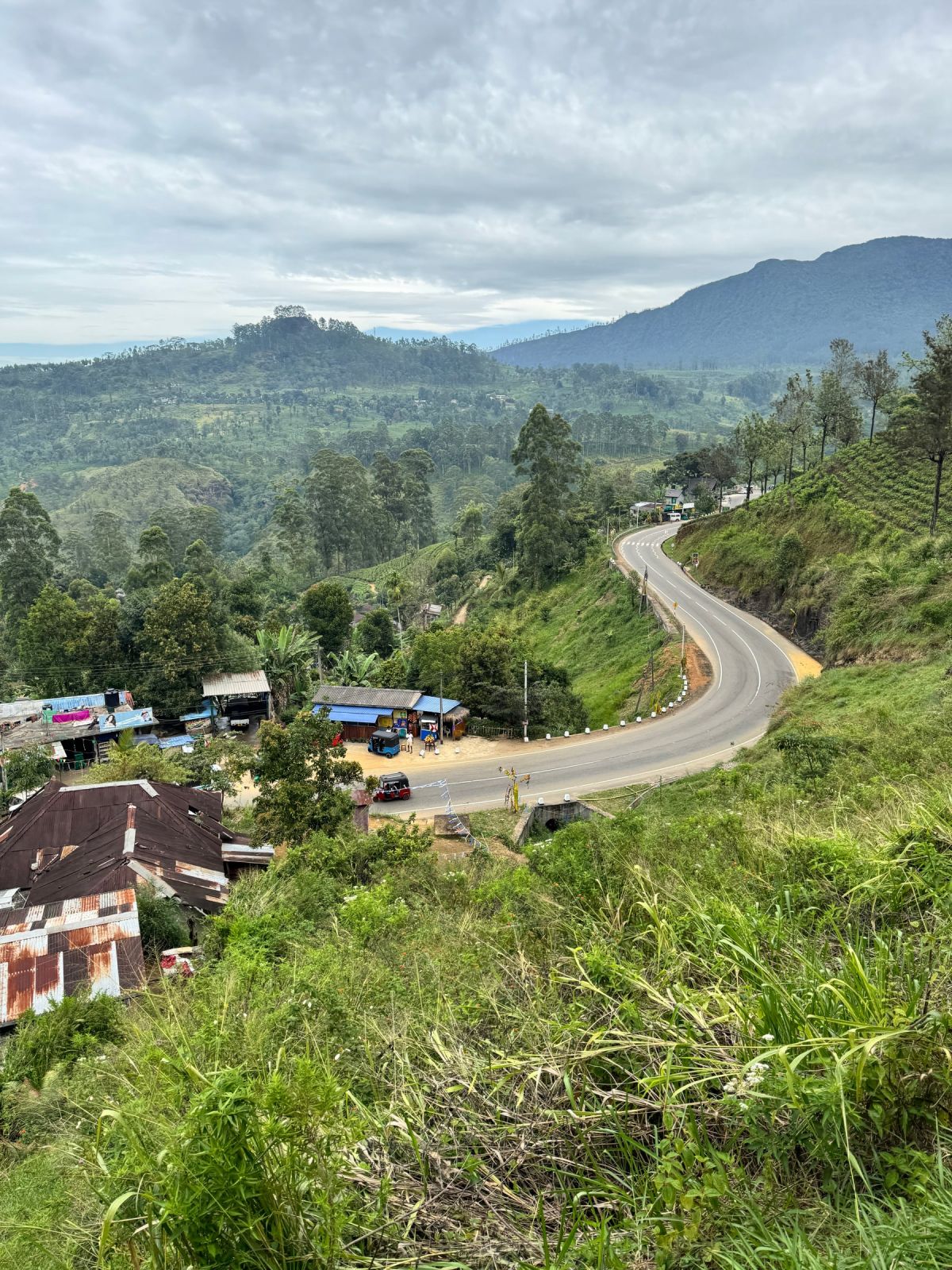
A Train to the Clouds: 1,855 Metres Above Sea Level, Head Out the Window
📍 Kotagala – the railway through the tea hills
👀 283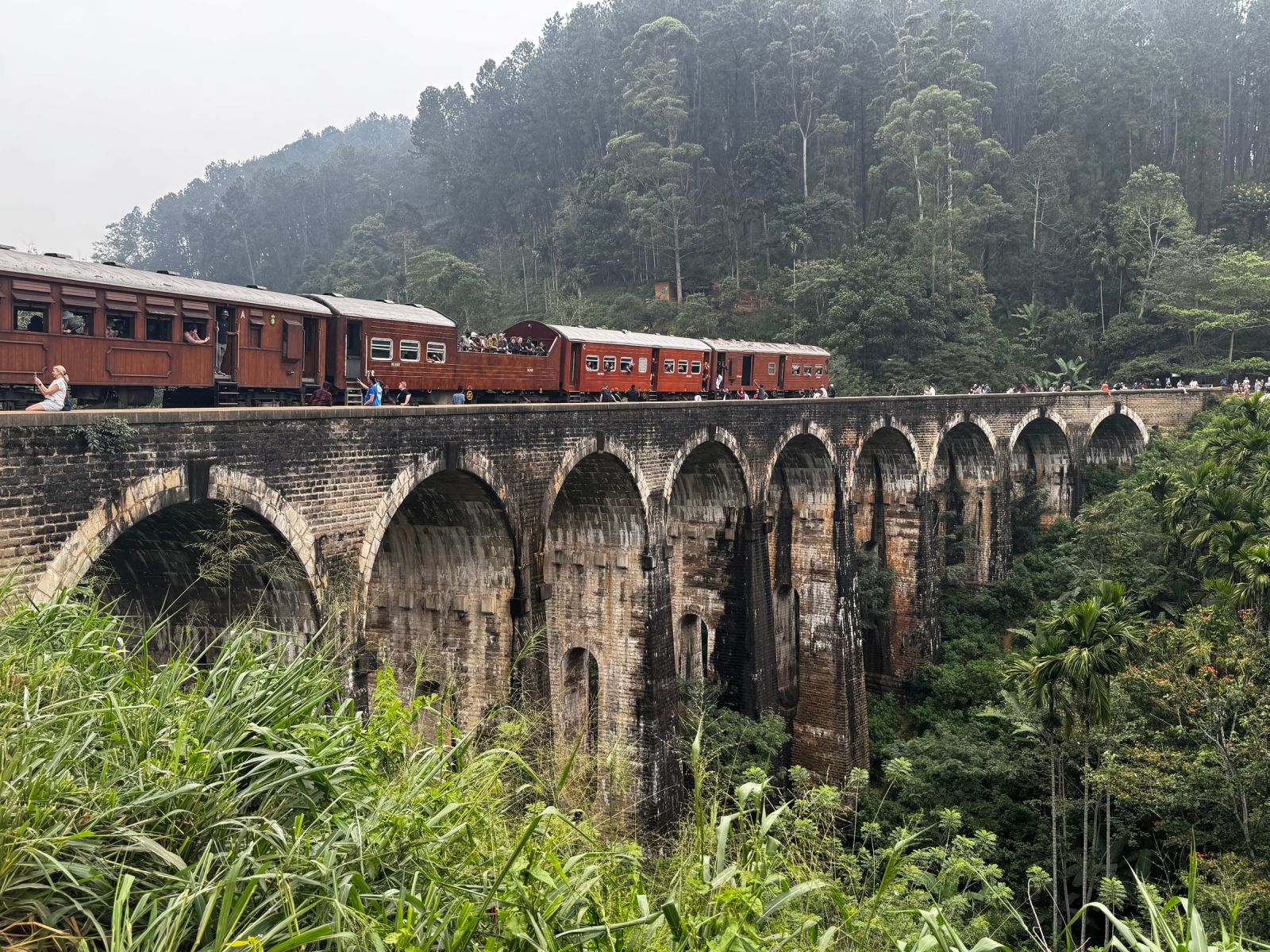
Nine Arches Above the Jungle: Ella, Where the Train Stops for Photos and Monkeys Guard the Waterfall
📍 Ella – Nine Arch Bridge and Ravana Falls
👀 295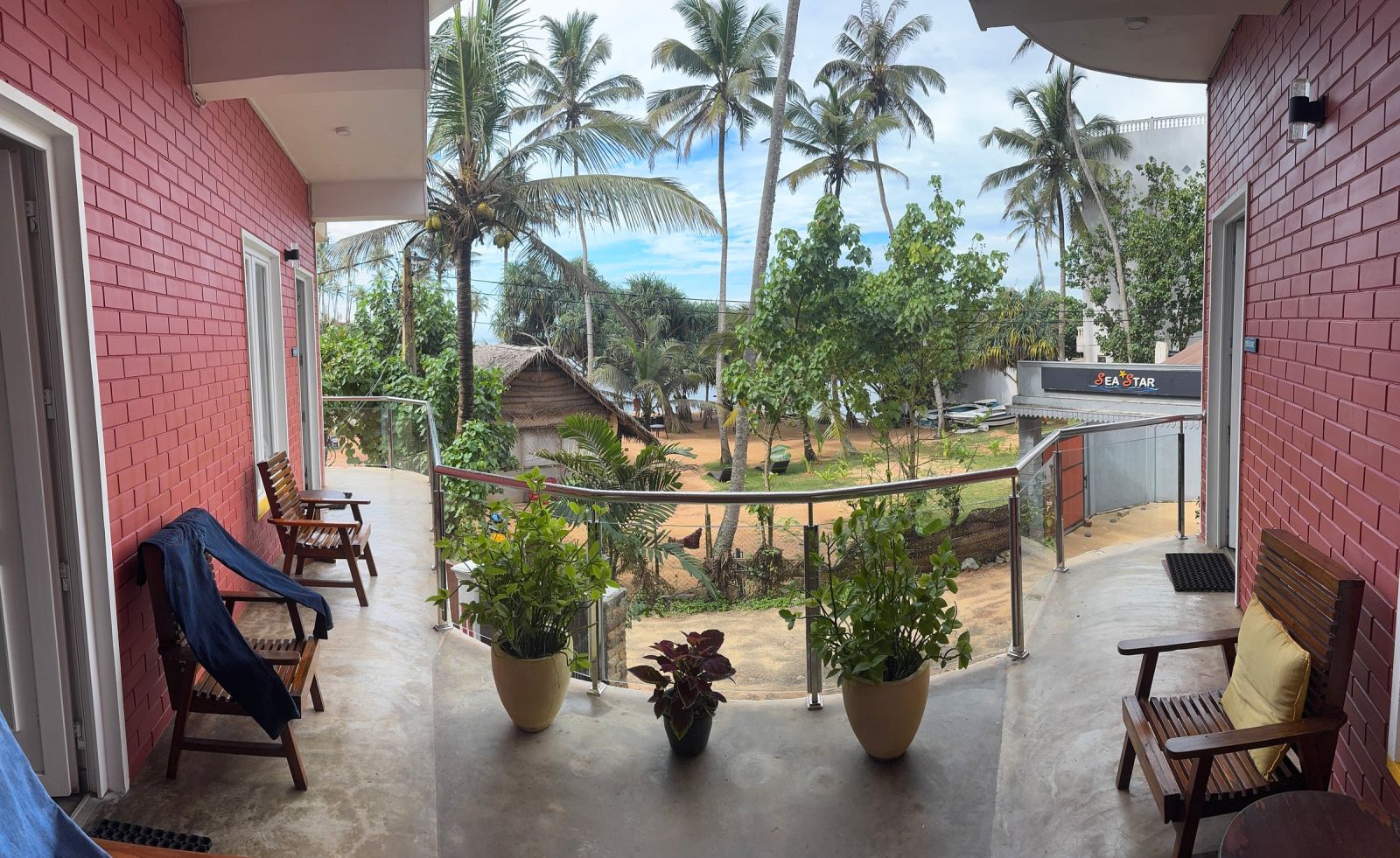
Mirissa: A Fin on the Horizon, Fish on the Plate and Names Written in Sinhala
📍 Mirissa – a dawn cruise and the southern beaches by night
👀 283
Galle: Thread That Changes Colour, and Walls That Remember the Galleons
📍 Galle – handloom weaving mill and Galle Fort
👀 295
Ahangama: Shells That Remember the Dinosaurs, and Eggs Waiting in the Sand for Their Chance
📍 Ahangama – the coast and a sea turtle hatchery
👀 284
Madu Ganga: A Green Tunnel, the Scent of Cinnamon and a Buddha Who Isn't Afraid of the Rain
📍 Balapitiya – Madu Ganga River
👀 136
Colombo: Golden Swords of Kings, a Striped Mosque and One Last Bite Before the Flight Home
📍 Colombo – National Museum, Pettah and Gangaramaya
👀 364