Nine Arches Above the Jungle: Ella, Where the Train Stops for Photos and Monkeys Guard the Waterfall
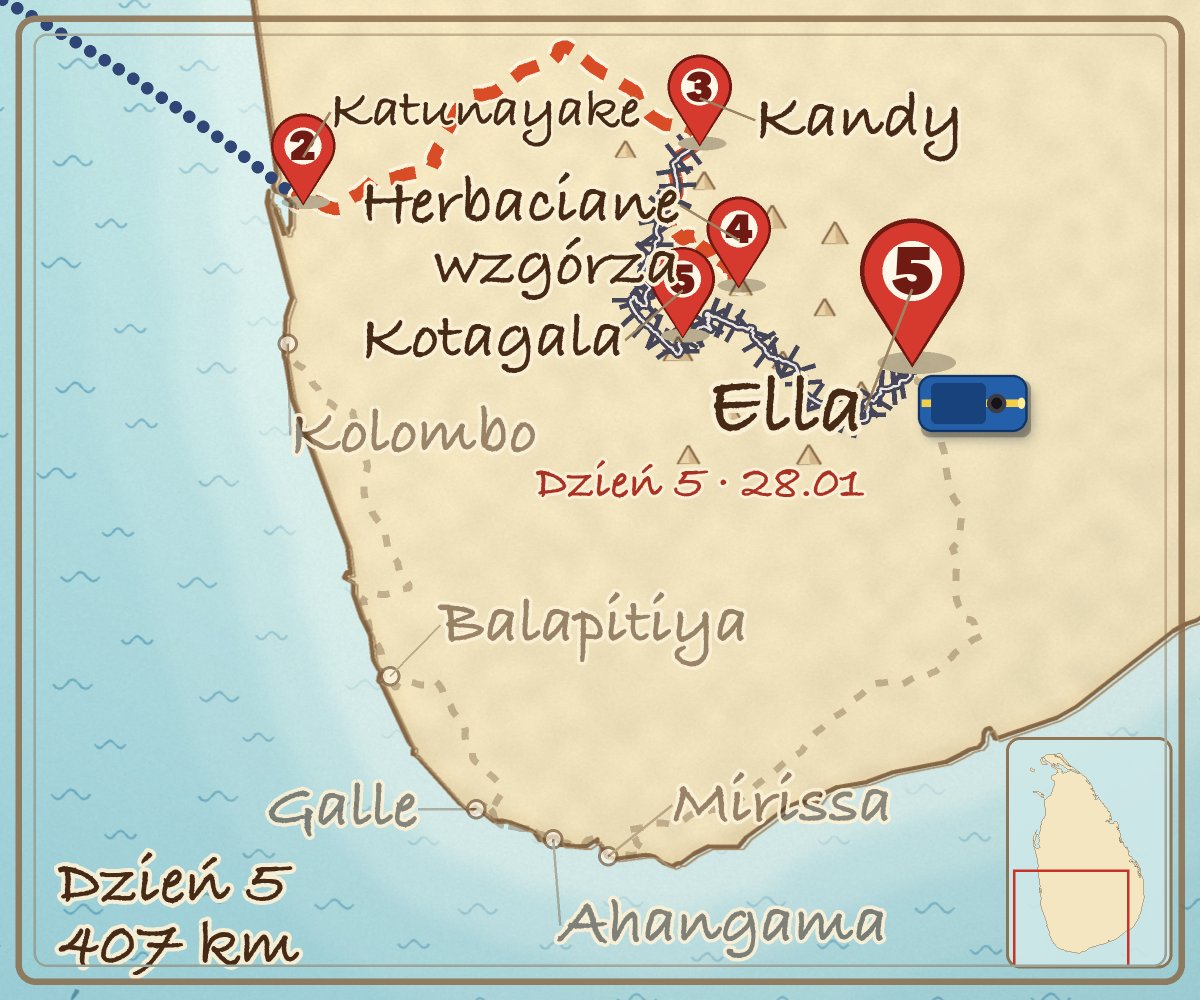
📍 Ella – Nine Arch Bridge and Ravana Falls
There are places you know by heart before you ever get there. You've seen them hundreds of times on Instagram, on wallpapers, in travel agency brochures. And there's always that nagging question: can it possibly impress you in real life? Imagine standing on a narrow, muddy path, banana leaves brushing your face, mist hanging low over the slopes, and in front of you, suspended above a green abyss, a stone bridge emerges. The answer came by itself. We fell silent.
The Last Kilometres with Our Heads Out the Window
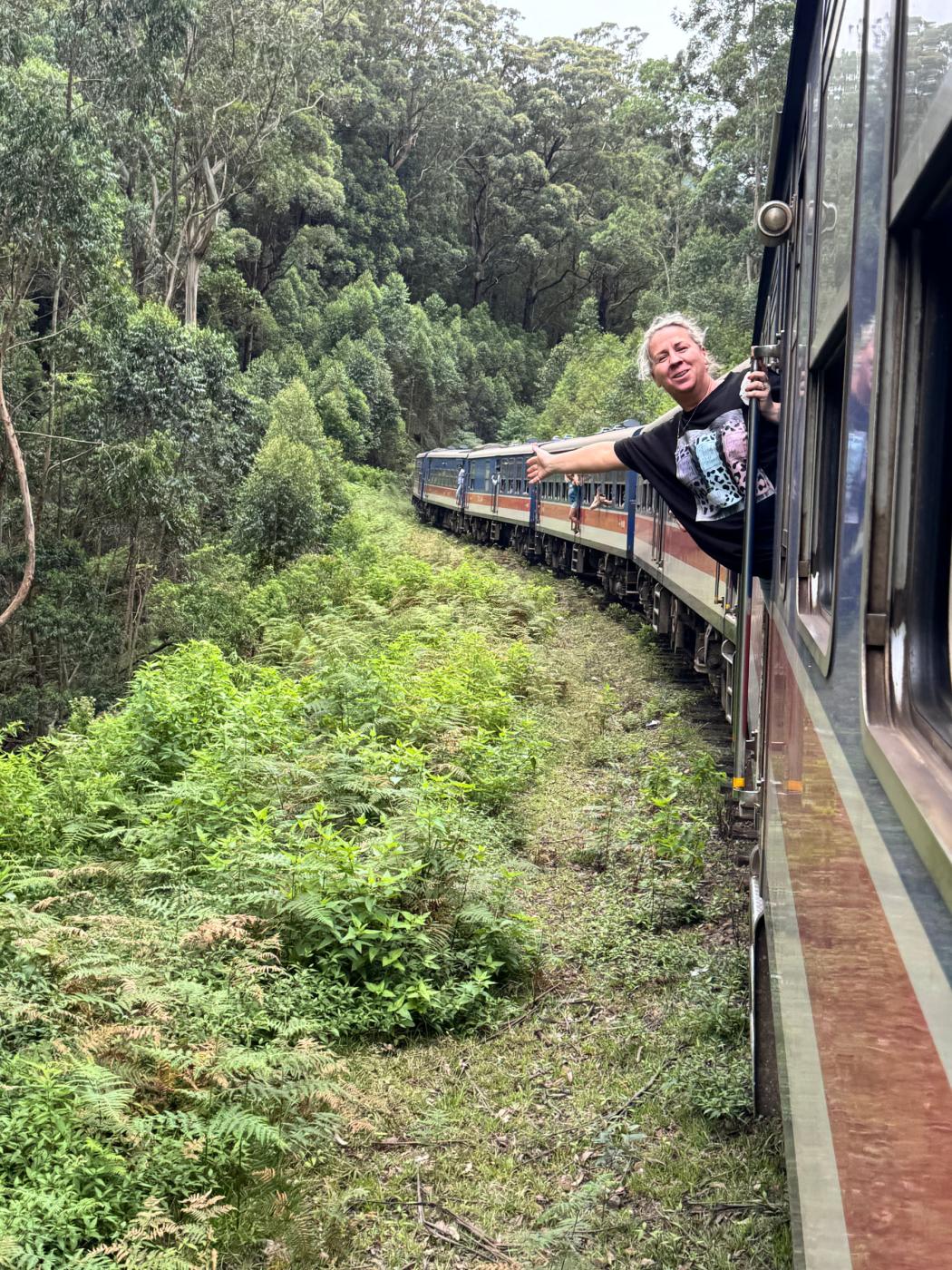
This afternoon began back in the carriage. After the morning's climb into the clouds, the train was slowly descending towards Ella, winding between ferns and eucalyptus trees. Doors flung wide open, people leaning out of every carriage, and beneath us the steel spans of little bridges over ravines. Around Idalgashinna my phone showed a mere 18 degrees – after the heat of the lowlands, that sounded exotic. The green slopes vanished into a grey, damp milkiness.
On the platform in Ella you're greeted by a sign in three alphabets announcing: 1,041 metres above sea level. The obligatory group photo, bags in hand, and off we go, along narrow roads between tea bushes and little houses clinging to the hillside.
The Bridge That Wasn't Supposed to Be
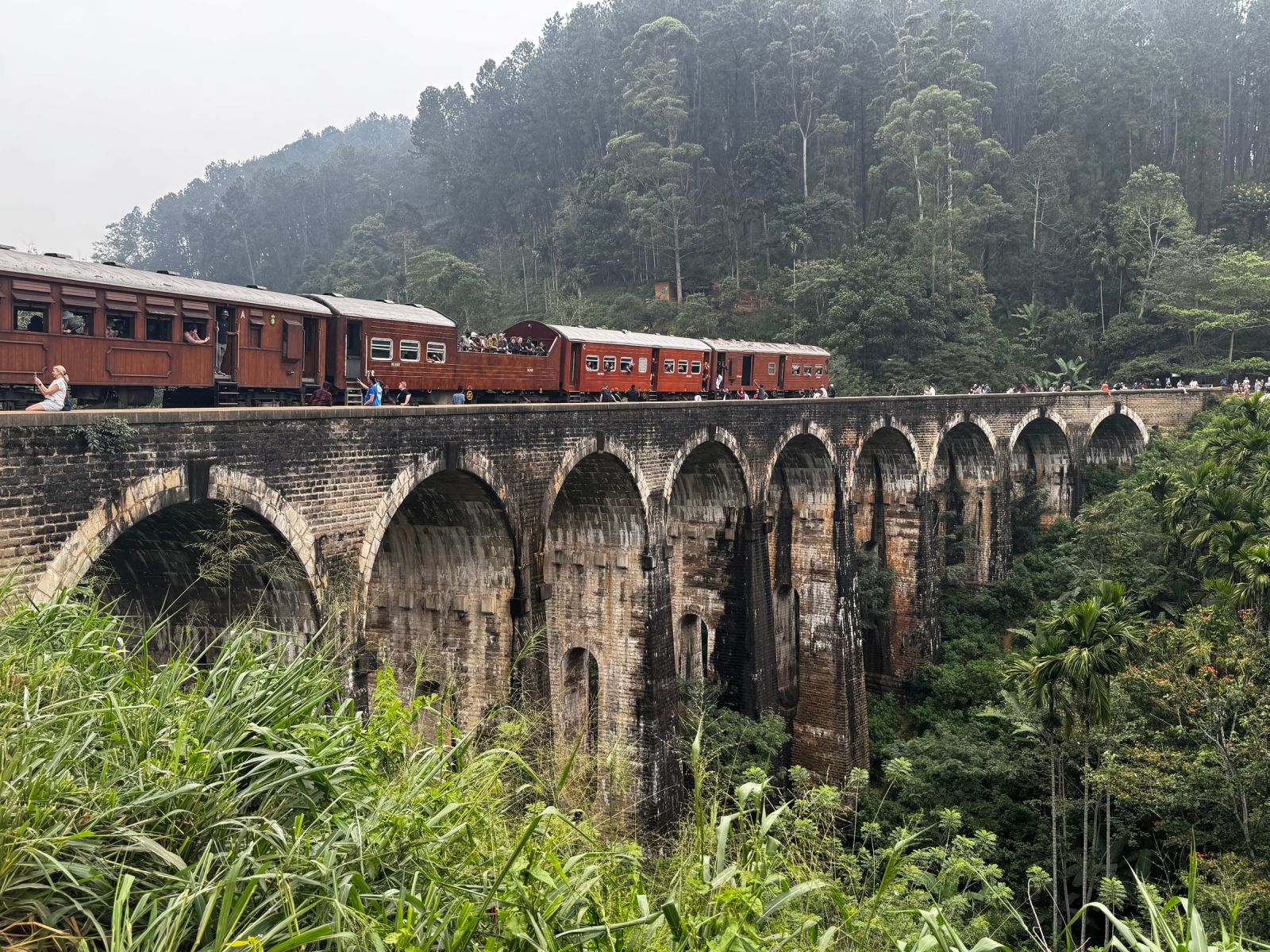
Stone instead of steel. The Nine Arch Bridge in Demodara is one of the most photogenic structures of colonial Ceylon. It was completed around 1921. Legend has it that the steel intended for its construction was taken for the front lines of the First World War, so local builders put up the bridge using stone, brick and cement. It's about 90 metres long and over 20 metres high – and for a hundred years it has carried trains without a single steel span.
Look at those arches up close. Dark streaks, moss in the cracks, moisture trickling down the masonry. Below, a thicket of areca palms and banana plants, and all around a wall of forest whose treetops disappear into the mist. The smell of wet earth mingles with diesel smoke.
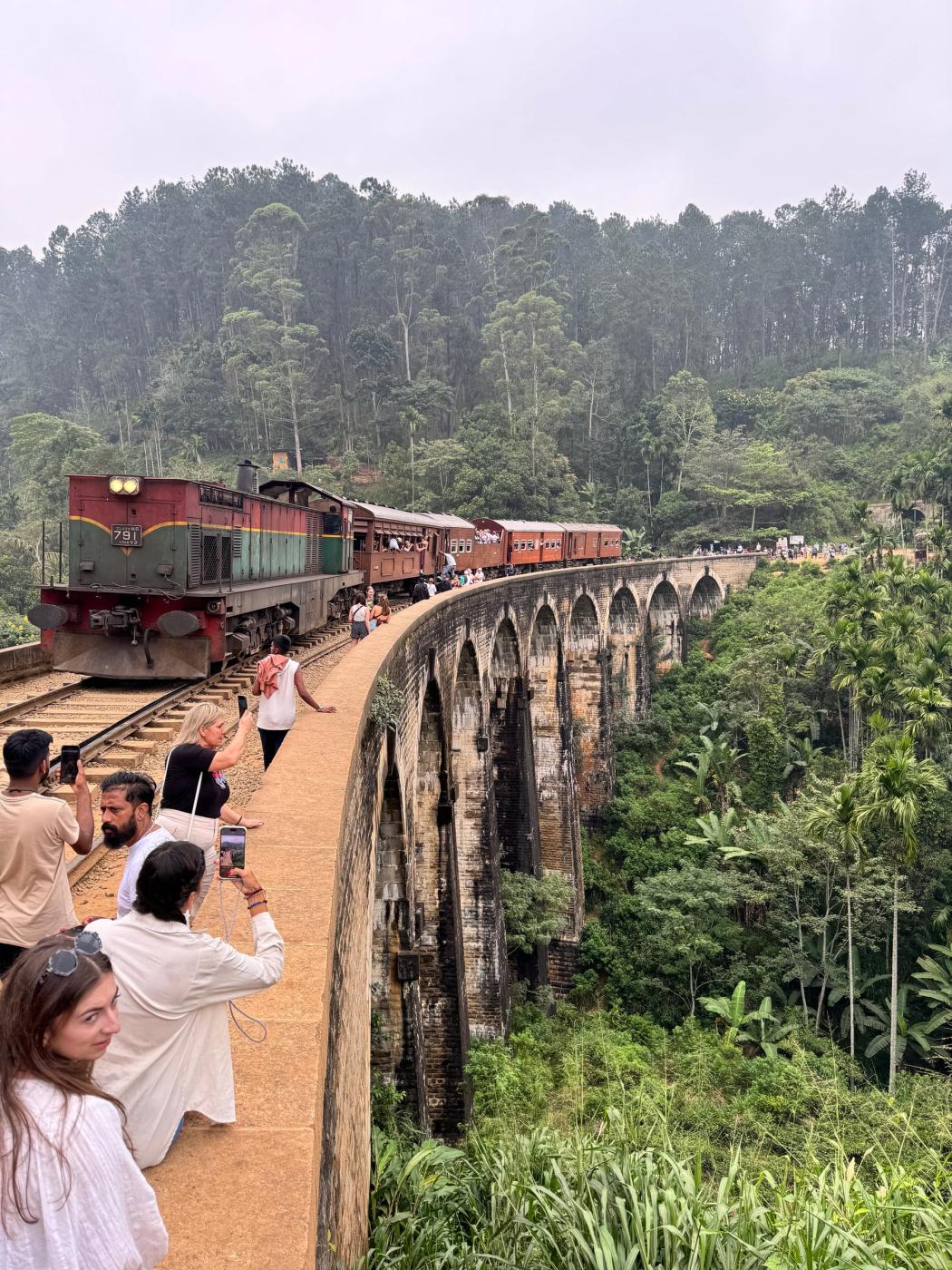
A train that poses. And then we heard it. A red-and-green locomotive numbered 791 rolled onto the bridge, pulling wooden brown carriages that seemed to belong to another era. Instead of passing by – it stopped. Right in the middle of the bridge. Passengers' heads poked out of the windows, tourists sat on the low wall, and we, literally leaning our elbows on the stone parapet, had the locomotive behind our backs and the abyss right under our noses. The passengers photographed us, we photographed them. An absurd, wonderful scene in which nobody knew who the real attraction was.
Close your eyes for a moment: the stone vibrating under your palms, the rumble of the engine, the buzz of a dozen languages at once and, somewhere below, the murmur of the jungle. Then a whistle, a jolt, and the wooden carriages slowly disappear into the tunnel on the other side.
The Demon's Waterfall and Its Guardians
In the late afternoon we drove down a winding road towards Ravana Falls. Here the water cascades over pale rocks from a height of about 25 metres. The name refers to the Ramayana epic – according to legend, the demon king Ravana hid the abducted princess Sita in the nearby caves.
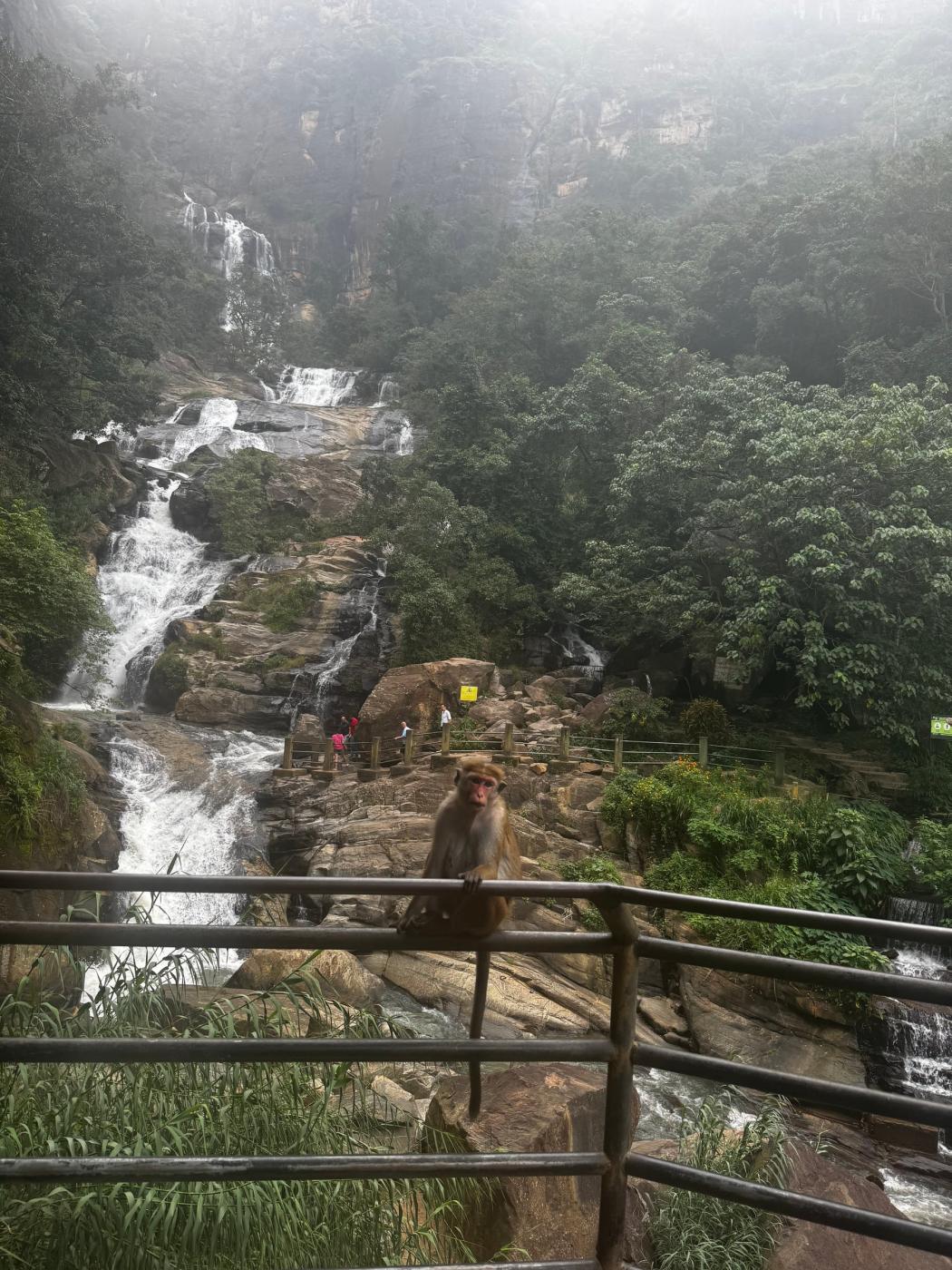
But the true masters of this place aren't legends. They're macaques. They sit on the railings like ticket inspectors, scale the rock walls, lounge on the stone walls and watch every phone aimed at the cascade with total indifference. These are toque macaques, endemic to Sri Lanka – you'll recognise them by the funny, tousled "hairdo" on top of their heads.
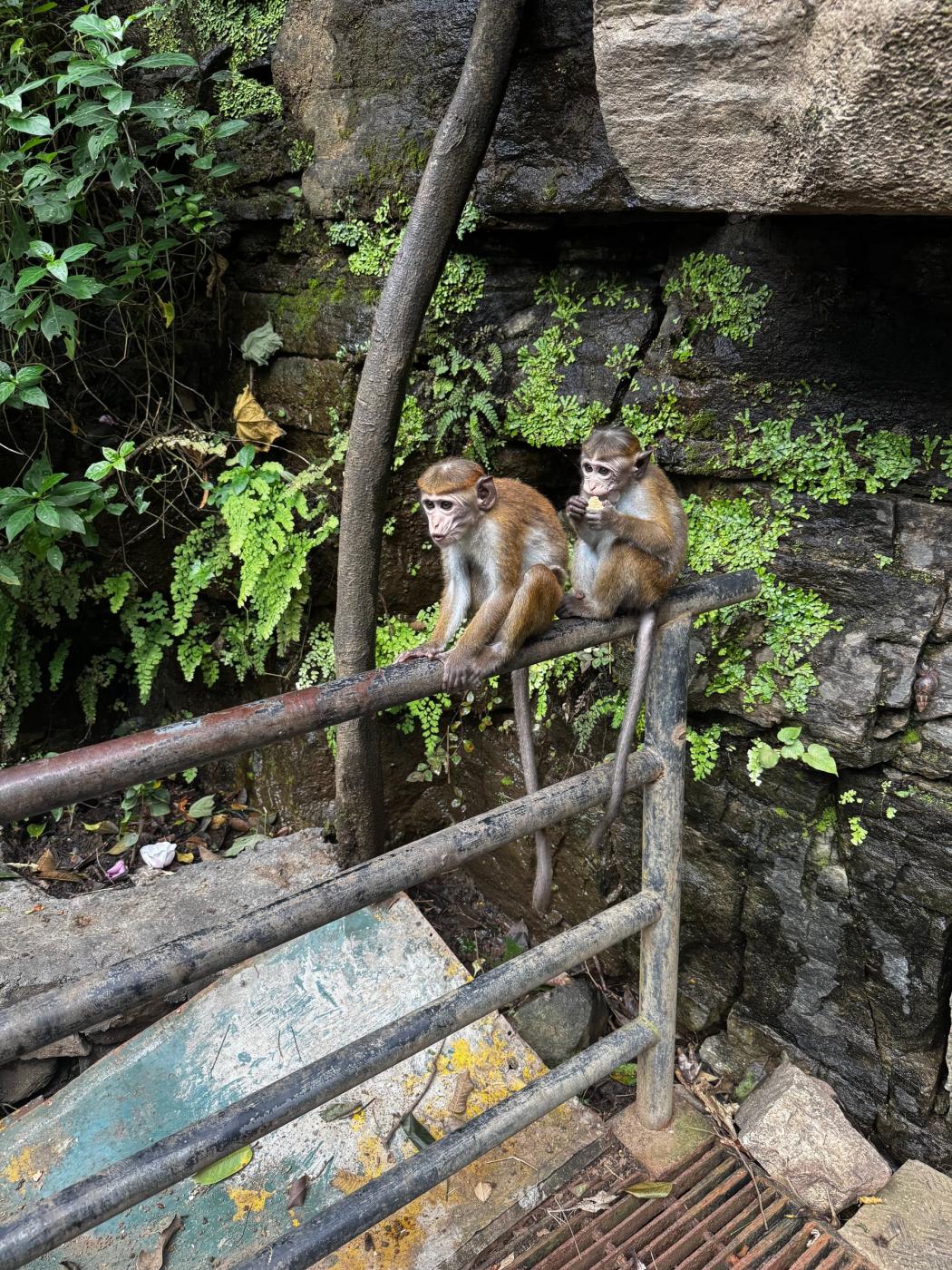
Practical tip: keep an eye on your bags and food – these little rascals are faster than they look. And wear comfortable shoes on the path to the bridge, because after rain the red clay turns into a slide.
Evening fell quickly, the mist thickened, and we headed back feeling that the postcard had turned out to be real. Better still – it was even better, because it smelled of damp jungle and locomotive smoke. Can't you hear that whistle already?
🧭 Next stages of this trip
This isn't the end — see what happened next
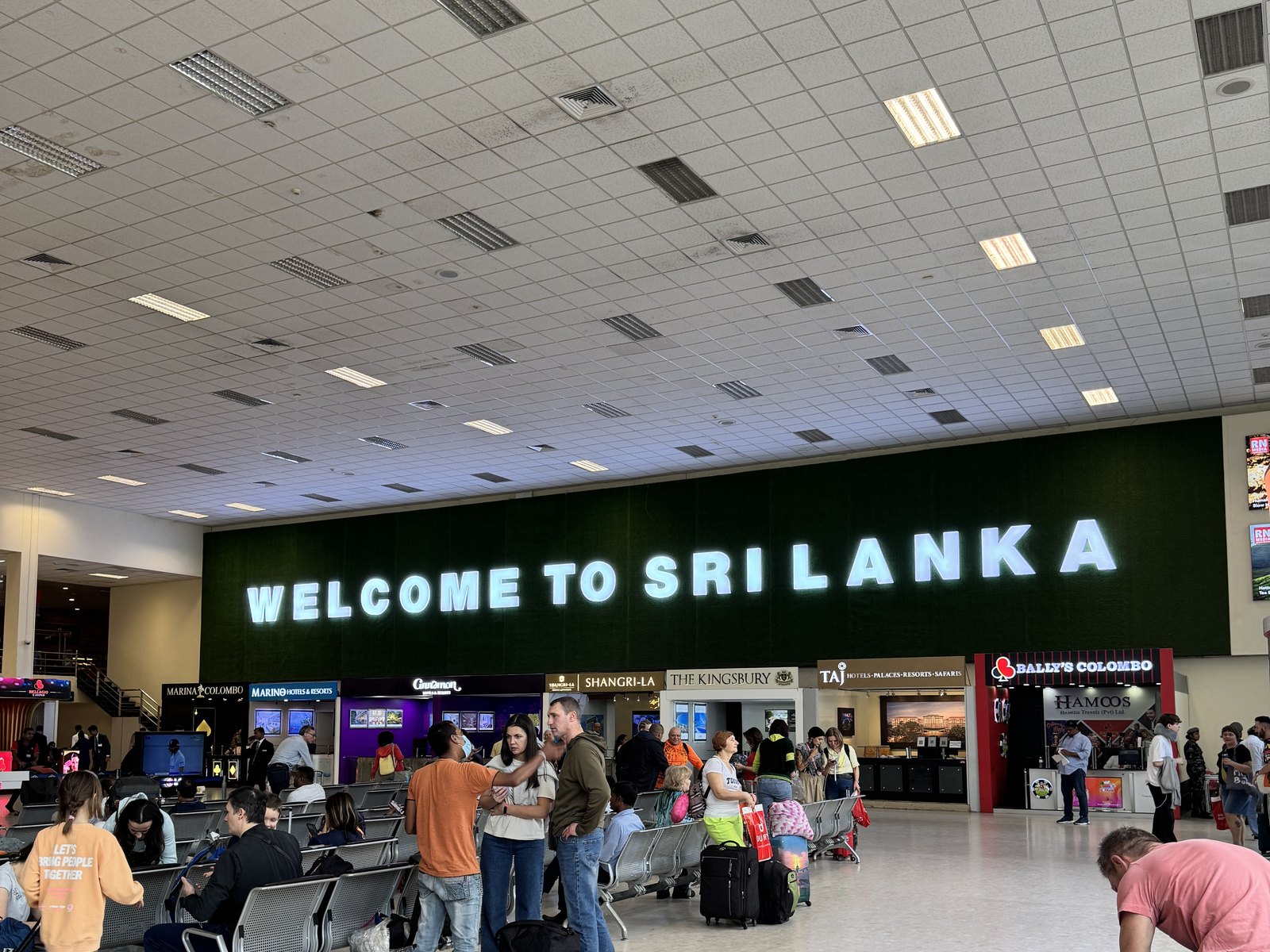
Ayubowan, Sri Lanka! The first day between the runway and the castle on the hill
📍 Katunayake – Kandy
👀 552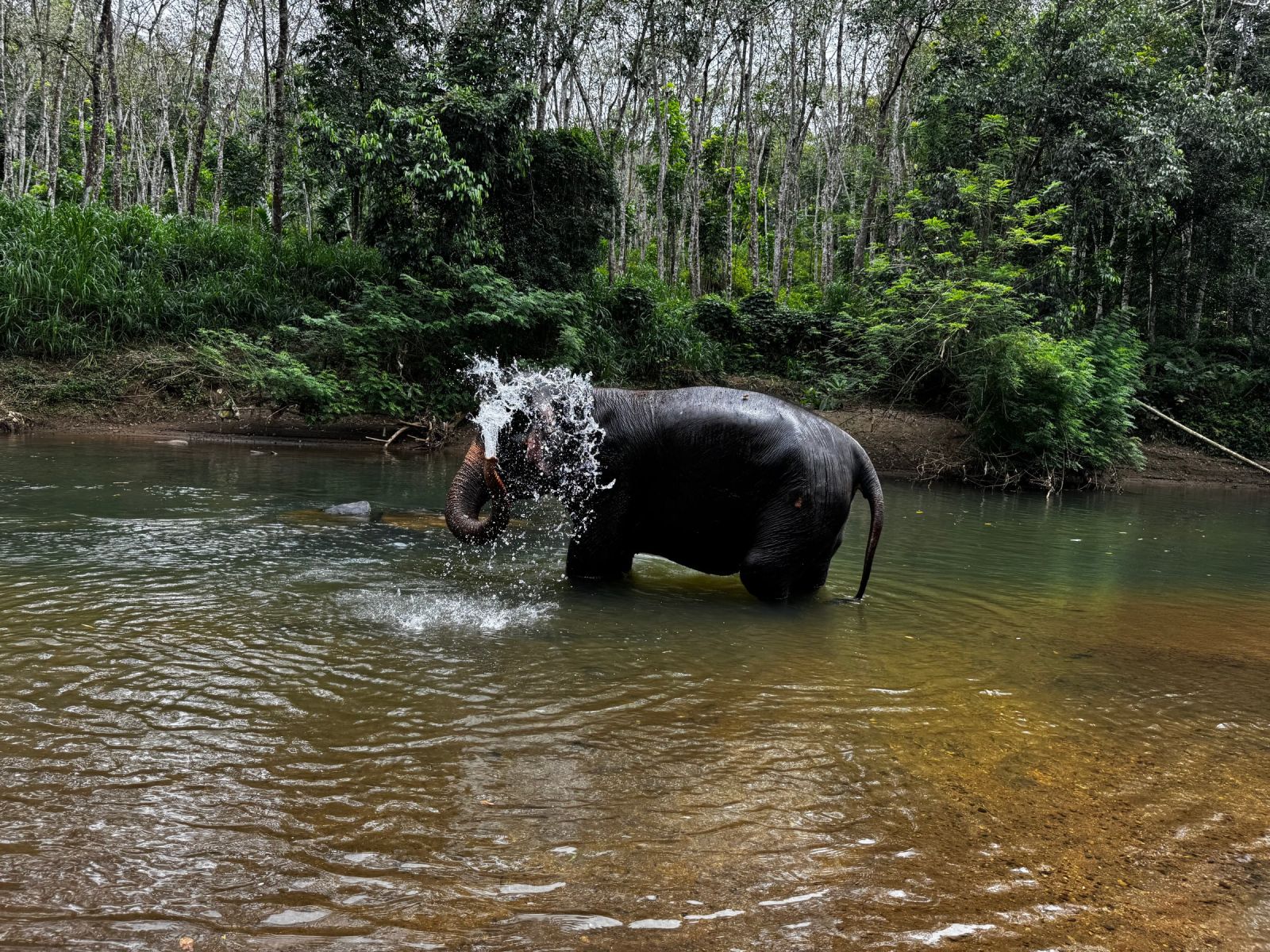
An elephant in the river, a nut in the palm of your hand, Buddha’s tooth at dusk: the longest day in the heart of Sri Lanka
📍 Hemmathagama and Kandy – The Temple of the Tooth Relic
👀 331
Two Leaves and a Bud: The Day Sri Lanka Taught Us How to Drink Tea
📍 Kothmale – Ramboda, the tea hills
👀 403
A Night in a Castle, a Morning on the Platform: How Kandy Bid Us Farewell with a Locomotive Whistle
📍 Kandy – The Castle by Don Louis and the railway station
👀 376
A Train to the Clouds: 1,855 Metres Above Sea Level, Head Out the Window
📍 Kotagala – the railway through the tea hills
👀 283
Nine Arches Above the Jungle: Ella, Where the Train Stops for Photos and Monkeys Guard the Waterfall
📍 Ella – Nine Arch Bridge and Ravana Falls
👀 295
Mirissa: A Fin on the Horizon, Fish on the Plate and Names Written in Sinhala
📍 Mirissa – a dawn cruise and the southern beaches by night
👀 283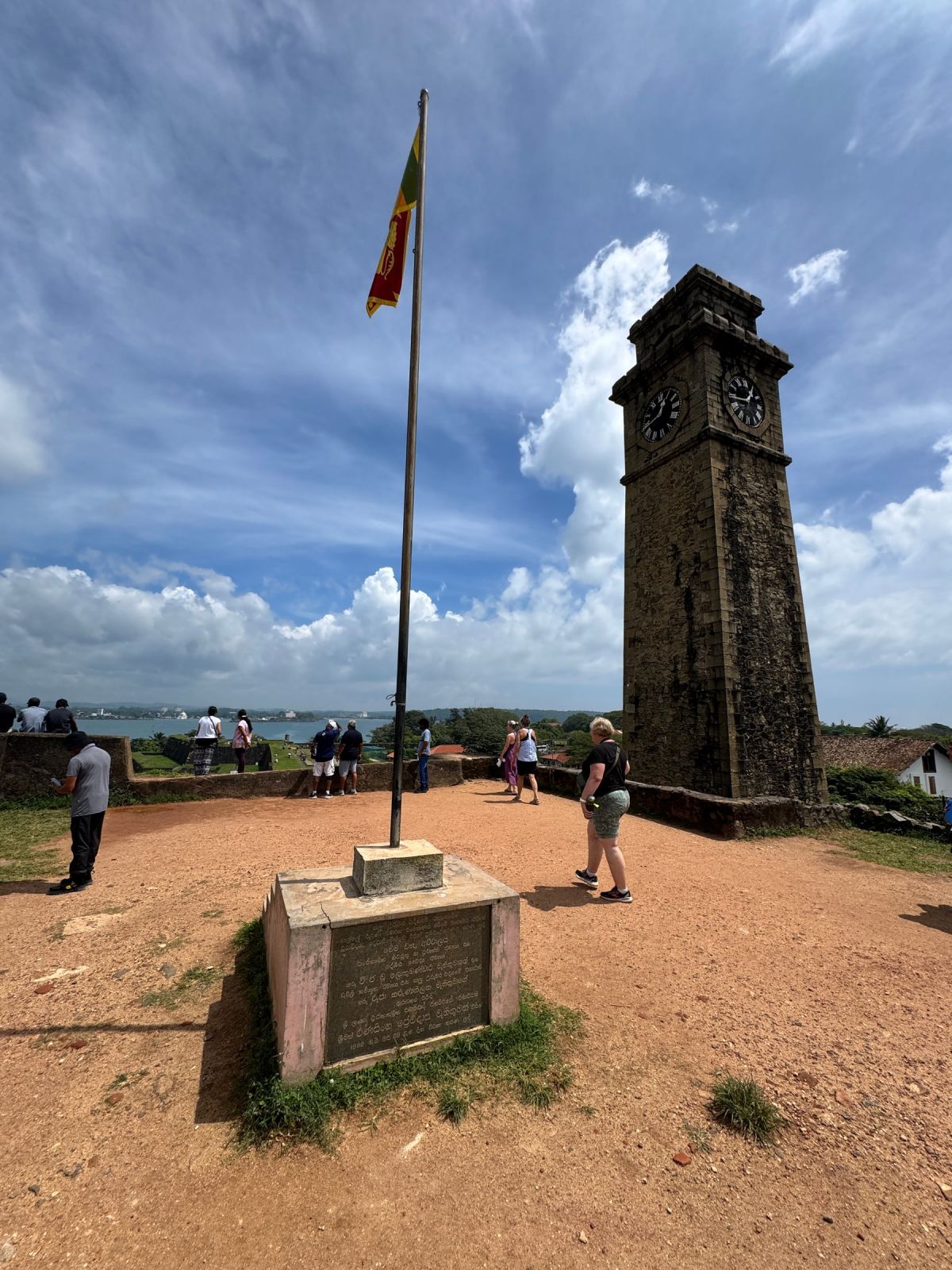
Galle: Thread That Changes Colour, and Walls That Remember the Galleons
📍 Galle – handloom weaving mill and Galle Fort
👀 295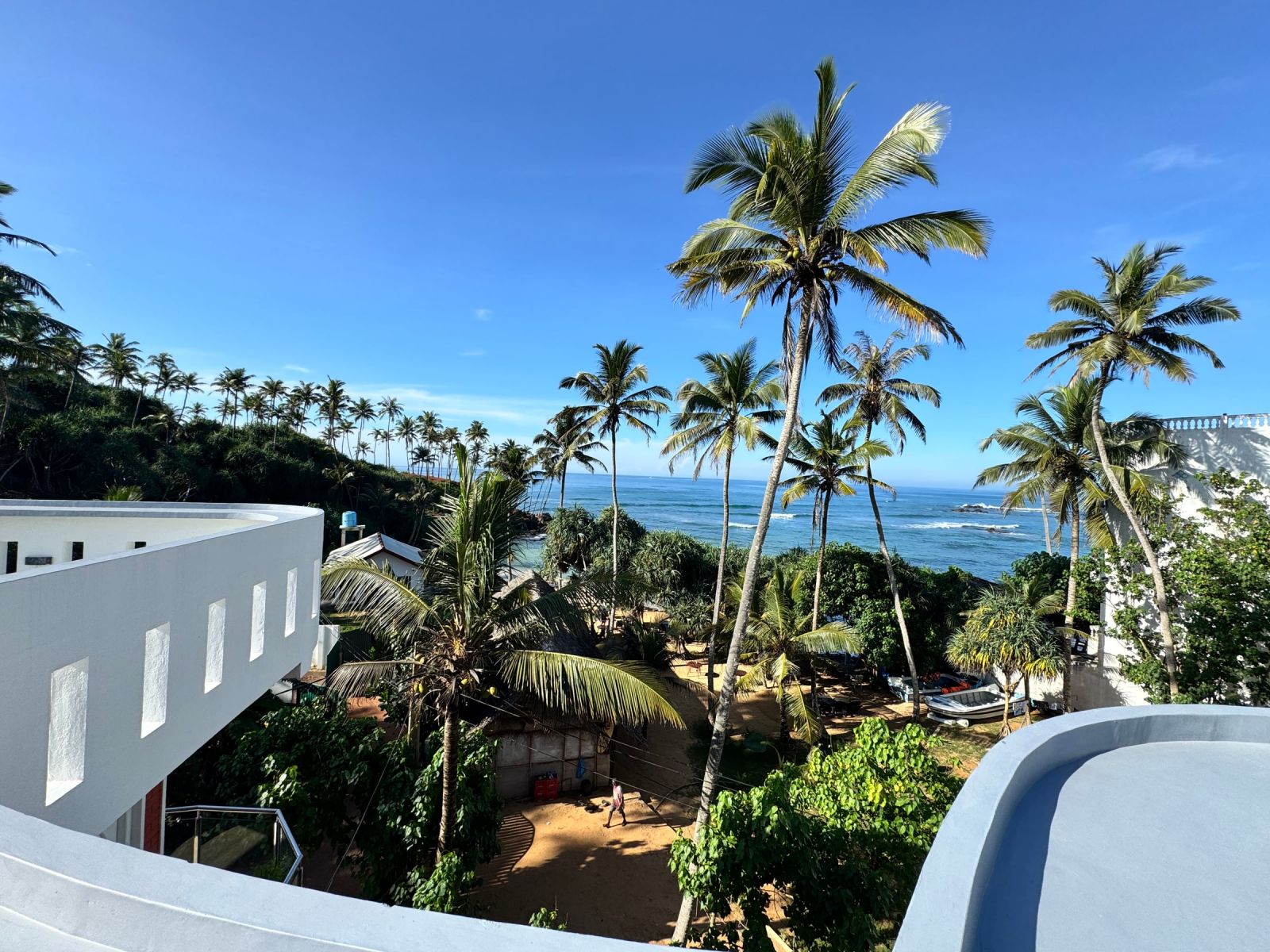
Ahangama: Shells That Remember the Dinosaurs, and Eggs Waiting in the Sand for Their Chance
📍 Ahangama – the coast and a sea turtle hatchery
👀 283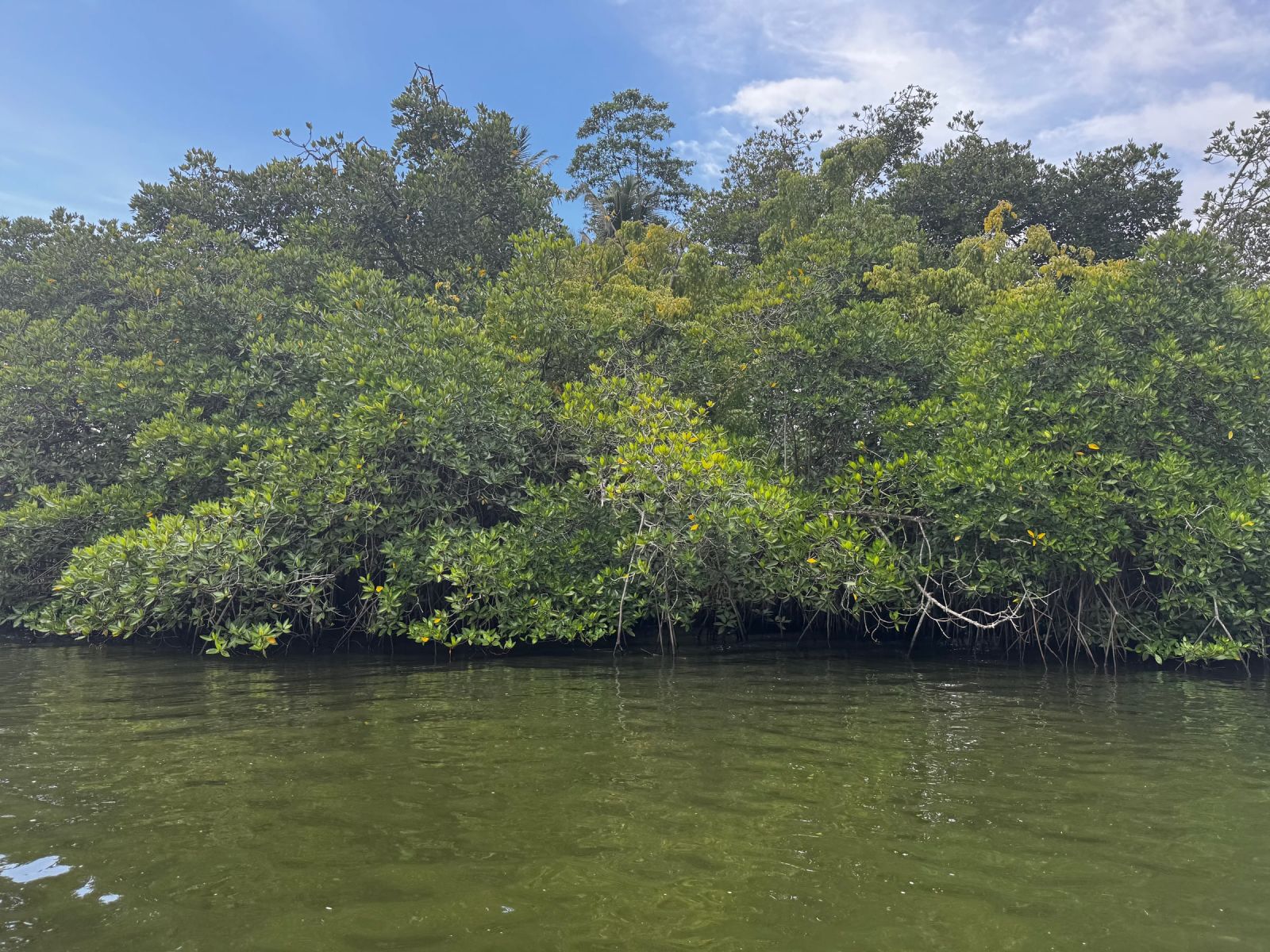
Madu Ganga: A Green Tunnel, the Scent of Cinnamon and a Buddha Who Isn't Afraid of the Rain
📍 Balapitiya – Madu Ganga River
👀 136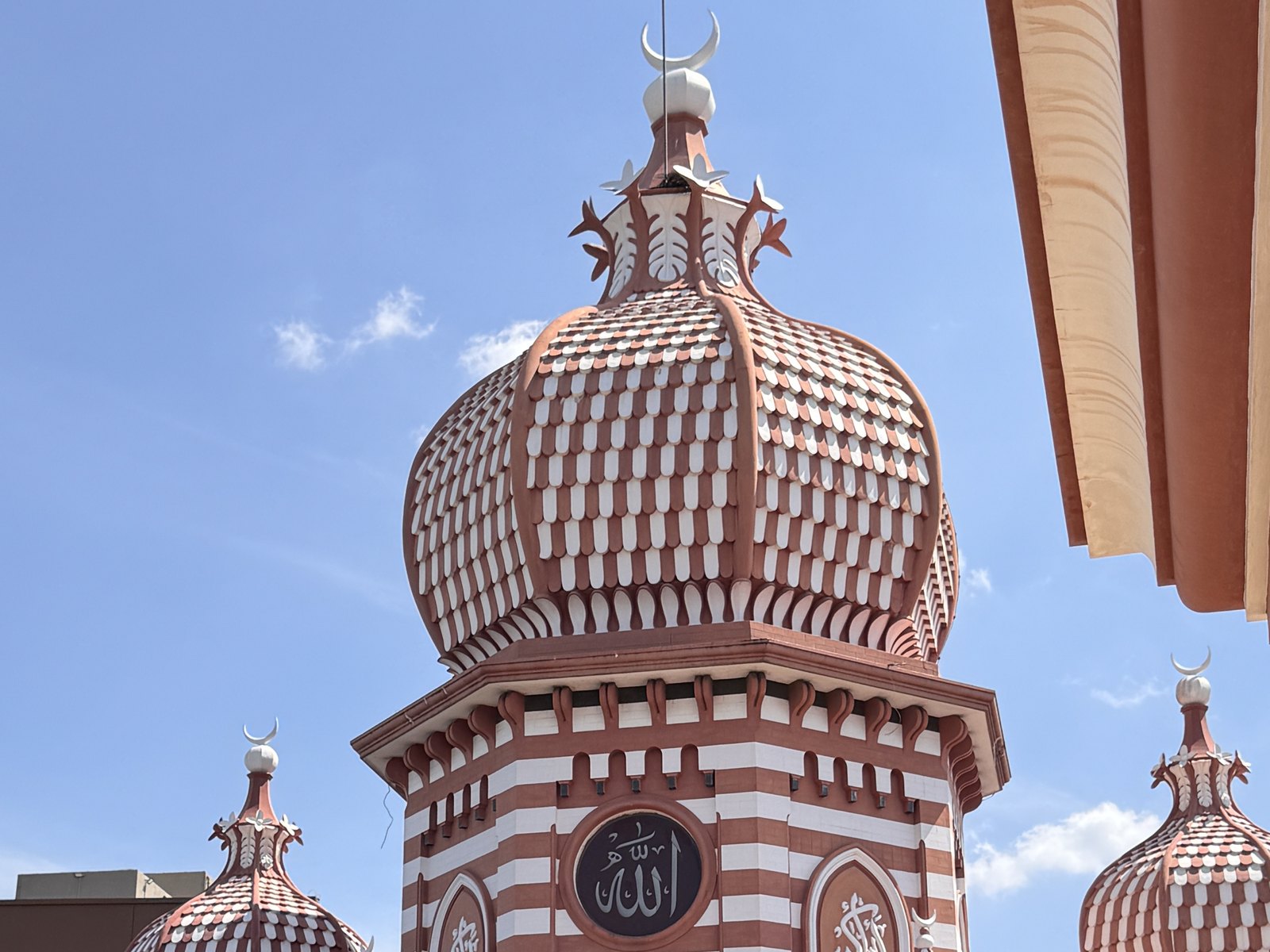
Colombo: Golden Swords of Kings, a Striped Mosque and One Last Bite Before the Flight Home
📍 Colombo – National Museum, Pettah and Gangaramaya
👀 364