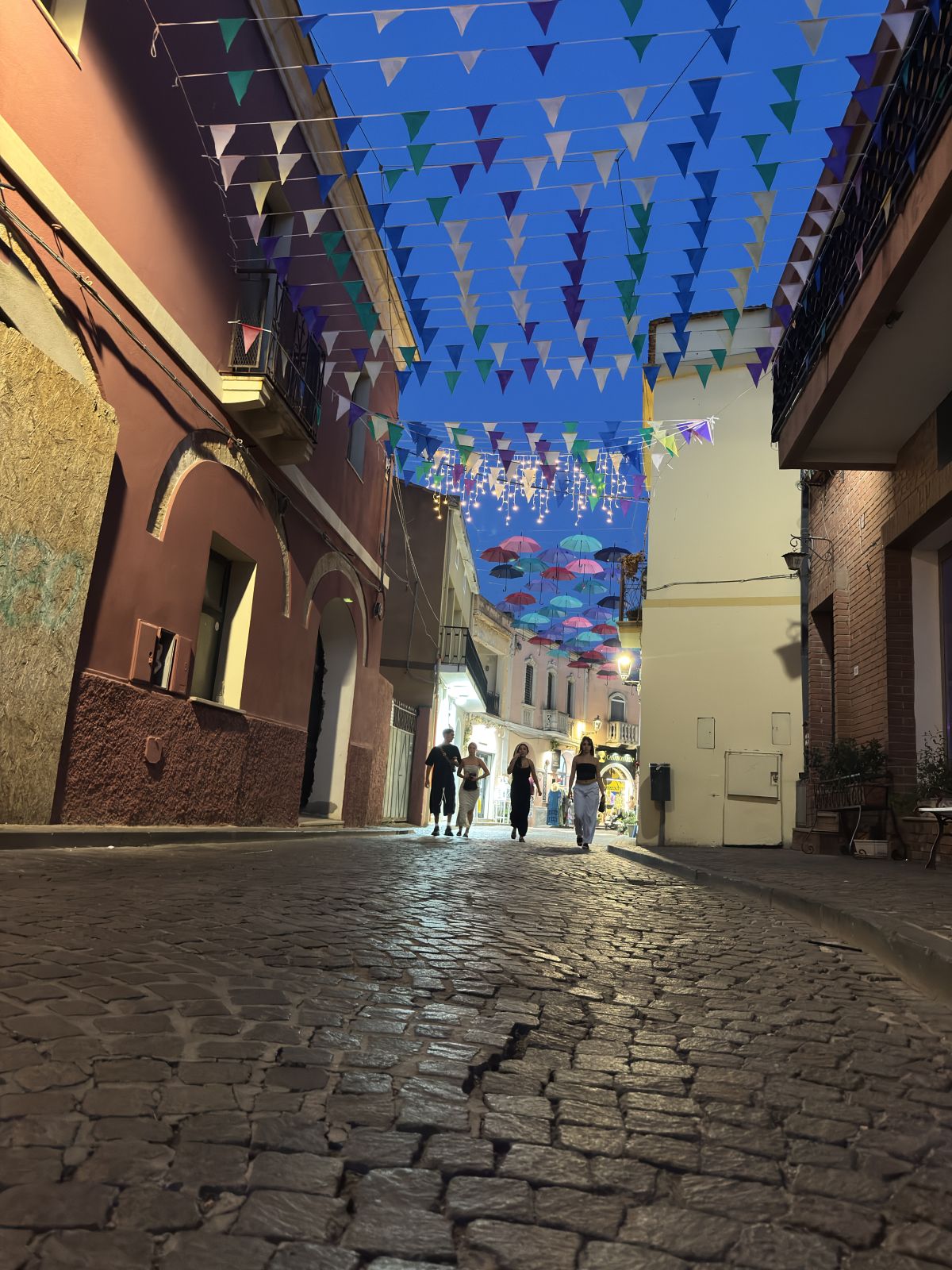
Bases of operation with a mystery lurking in the background.
📍 Santa Maria Navarrese and Pula
Sardinia’s two extremes: Santa Maria Navarrese and Pula – bases with a touch of mystery
Choosing a base in Sardinia is always about more than just finding a place to sleep. It’s about choosing the vantage point from which you’ll observe the island. During our trip, we opted for two completely different worlds. The first is the rugged eastern coast, where the mountains plunge dramatically into the sea. The second is the hot, southern coast, where ancient secrets lie hidden beneath the surface of a bustling little town.
Here are our two Sardinian homes: Santa Maria Navarrese and Pula.
Santa Maria Navarrese: A sanctuary born of the sea’s fury?
When you stroll through Santa Maria Navarrese, a small coastal town in the Ogliastra region, you’re struck by its extraordinary tranquillity. On one side lies the endless blue of the Tyrrhenian Sea; on the other, the massive walls of the Supramonte mountains. It was from here that we set off on gruelling serpentine roads, and it was here that we returned after battling the waves of the Gulf of Orosei. But this place harbours a powerful, dark story of survival.
The legend of the fleeing princess
The town was not founded by fishermen or merchants. According to a fascinating 11th-century legend, its origins are linked to a Spanish princess from the Kingdom of Navarre. Fleeing her father’s wrath (according to some sources, for a forbidden love), she found herself on a ship which, off the eastern coast of Sardinia, was caught in the midst of a violent storm. When it seemed the ship would sink and everyone would perish in the dark waves, the princess made a vow: if she survived, she would build a temple in gratitude at the spot where she came ashore. The sea washed her ashore right here.
Silent witnesses to the passage of time
To see proof of this story, one need only walk to the very centre of the village. There stands a modest, white little church – the very one which, according to legend, was built by the rescued princess. But it is not the walls that make the greatest impression. The church is surrounded by olivastri millenari – ancient, wild olive trees. The oldest of them are over 1,000 years old! Their trunks are thick, twisted and warped by centuries of battling the wind and salt. Standing beneath them, you realise that these very same trees cast their shade over the shipwrecked survivors from Navarre.
Right next to it, on the beachfront, stands a 16th-century Spanish watchtower (Torre Saracena). For centuries, watchers would scan the horizon from it, on the lookout for Arab pirates, for whom this coast was the perfect spot for bloody raids. Today it’s simply a beautiful vantage point, but the past of this place is etched into every stone.
Pula: A bustling guardian of a sunken city ??️
When we travelled from the rugged east down south to Pula, the landscape changed dramatically. Pula is Sardinia at its best, evoking the Italian dolce vita. Colourful squares, narrow streets, cafés bustling with life until late at night, and the hustle and bustle of Piazza del Popolo. In the evenings, this city simply buzzes with energy, making it the perfect base after exploring the caves or spotting flamingos in Molentargius.
But Pula has a dark, hidden side that many tourists sipping Aperol are completely unaware of. Pula is merely a modern-day façade.
A city swallowed by the sea
Just a few minutes from the bustling centre of Pula lies the Capo Pula peninsula. It is there that Nora is situated – considered the oldest city in the whole of Sardinia. It was founded by the Phoenicians in the 8th century BC, and later taken over by the Romans, who built a mighty trading empire complete with amphitheatres, temples and a system of baths.
But why did such a magnificent city fall into decline and be supplanted by neighbouring Pula? Nora fell victim to its own location. Plagued for centuries by pirate raids from North Africa (the Vandals, and later the Saracens), it was eventually abandoned by its terrified inhabitants, who fled inland.
Secrets beneath the waves
It was nature, however, that dealt the final blow. As a result of tectonic shifts and rising sea levels, ancient Nora literally began to sink. Today, as you walk amongst the ruins near Pula, you can see only a fragment of its former grandeur. The rest of the city – with its beautiful Roman mosaics, ancient roads and the foundations of houses – lies beneath the water! When diving in these waters, you can swim over the flooded streets of a city that was once teeming with life, but is now a dark, submerged realm.
These two towns perfectly illustrate Sardinia’s extremes. Santa Maria Navarrese teaches humility in the face of wild nature and the legends cast up by the sea, whilst Pula seduces with its southern charm, whilst guarding the underwater ruins of the island’s oldest civilisation. It would be hard to find a better backdrop for our expedition.
🧭 Next stages of this trip
This isn't the end — see what happened next
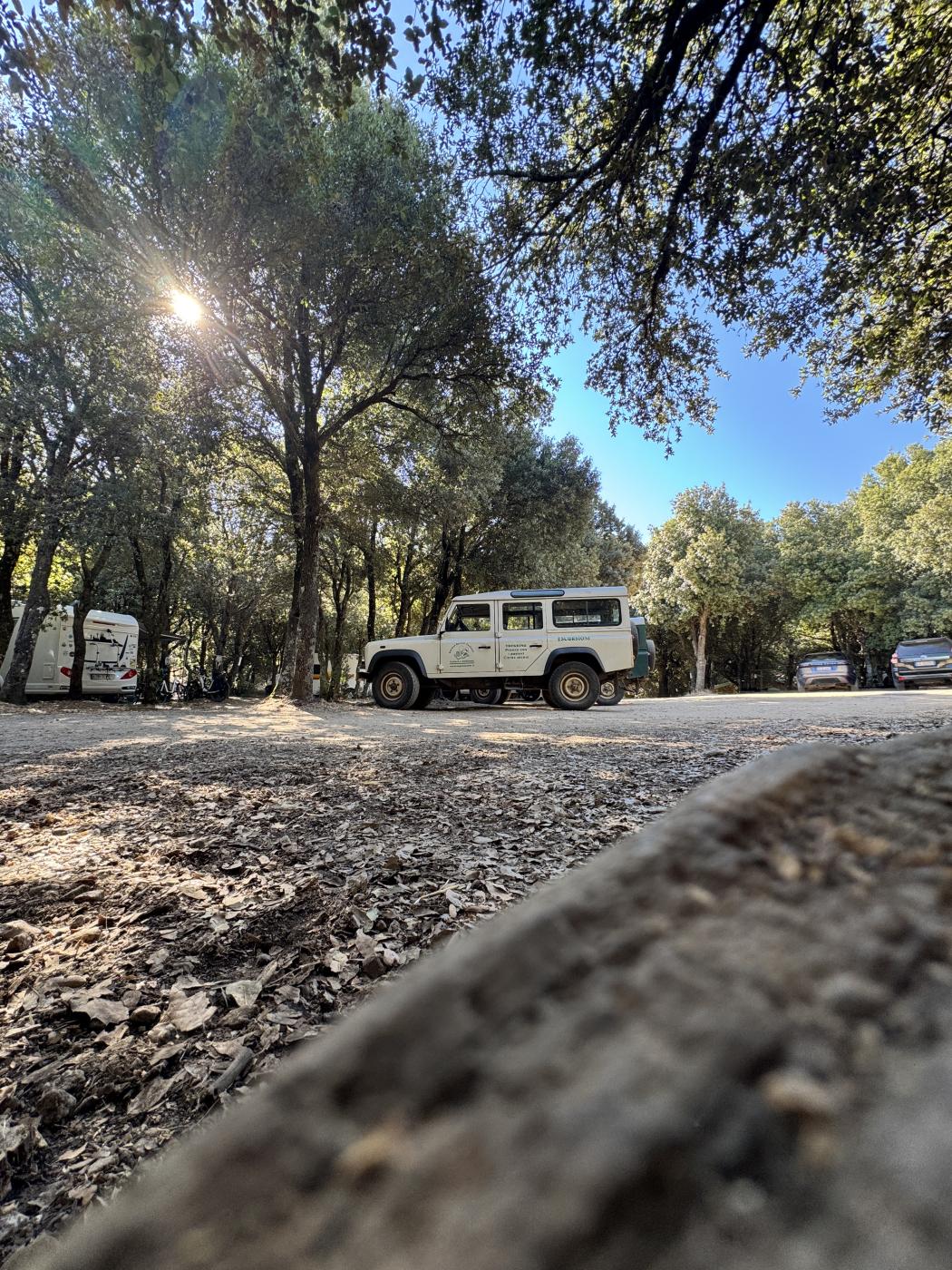
Supramonte Campsite and Restaurant
📍 Supramonte Campsite and Restaurant
👁️ 644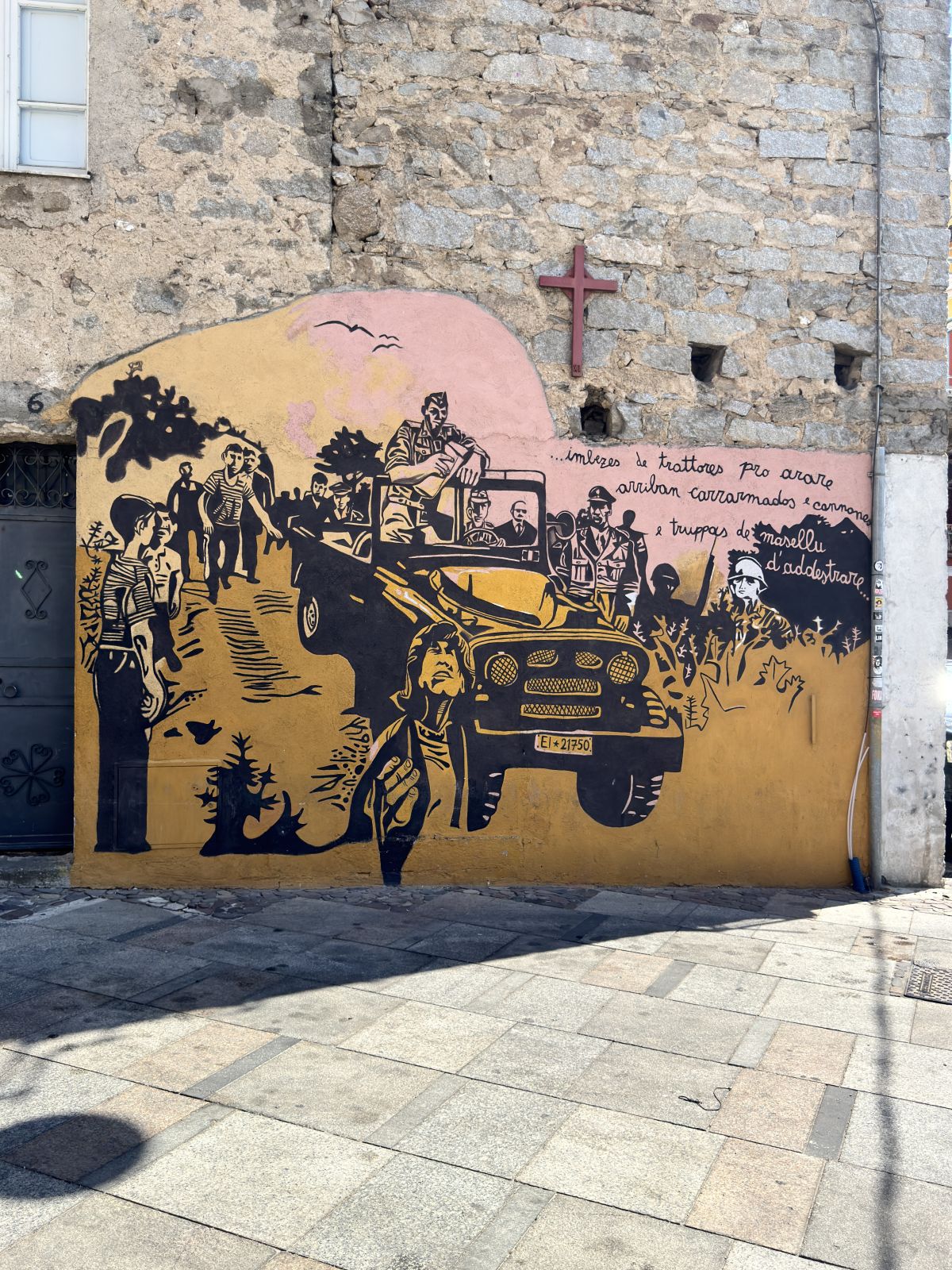
Orgosolo through the lens: Walls that remember
📍 Orgosolo
👁️ 483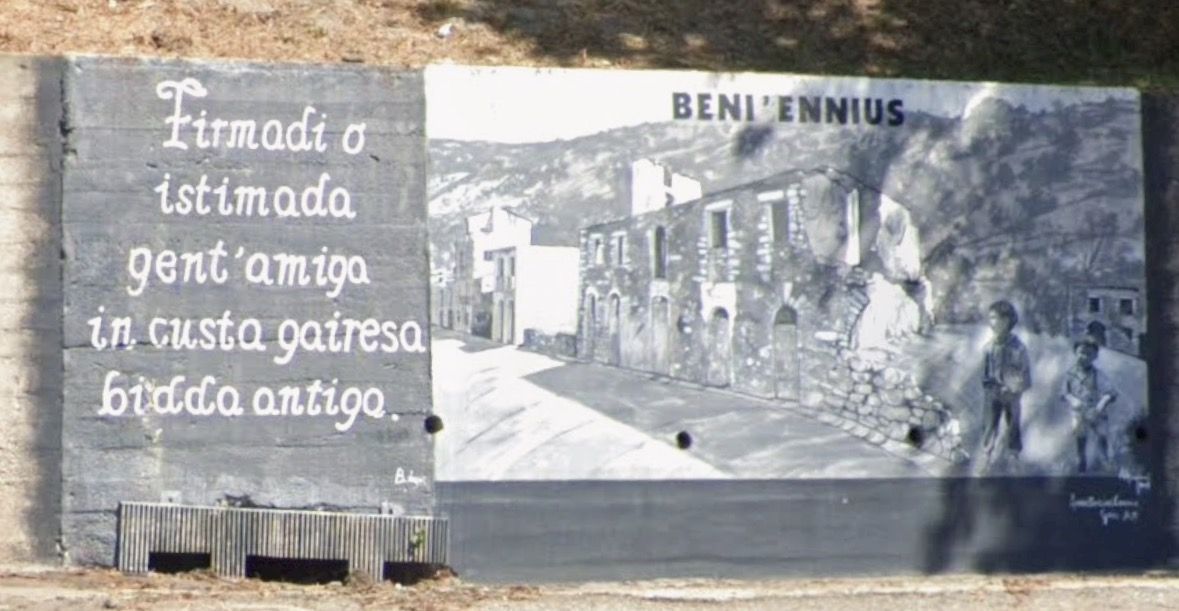
Gairo Vecchio: The town that escaped its own fate
📍 Gairo – The Abandoned City
👁️ 248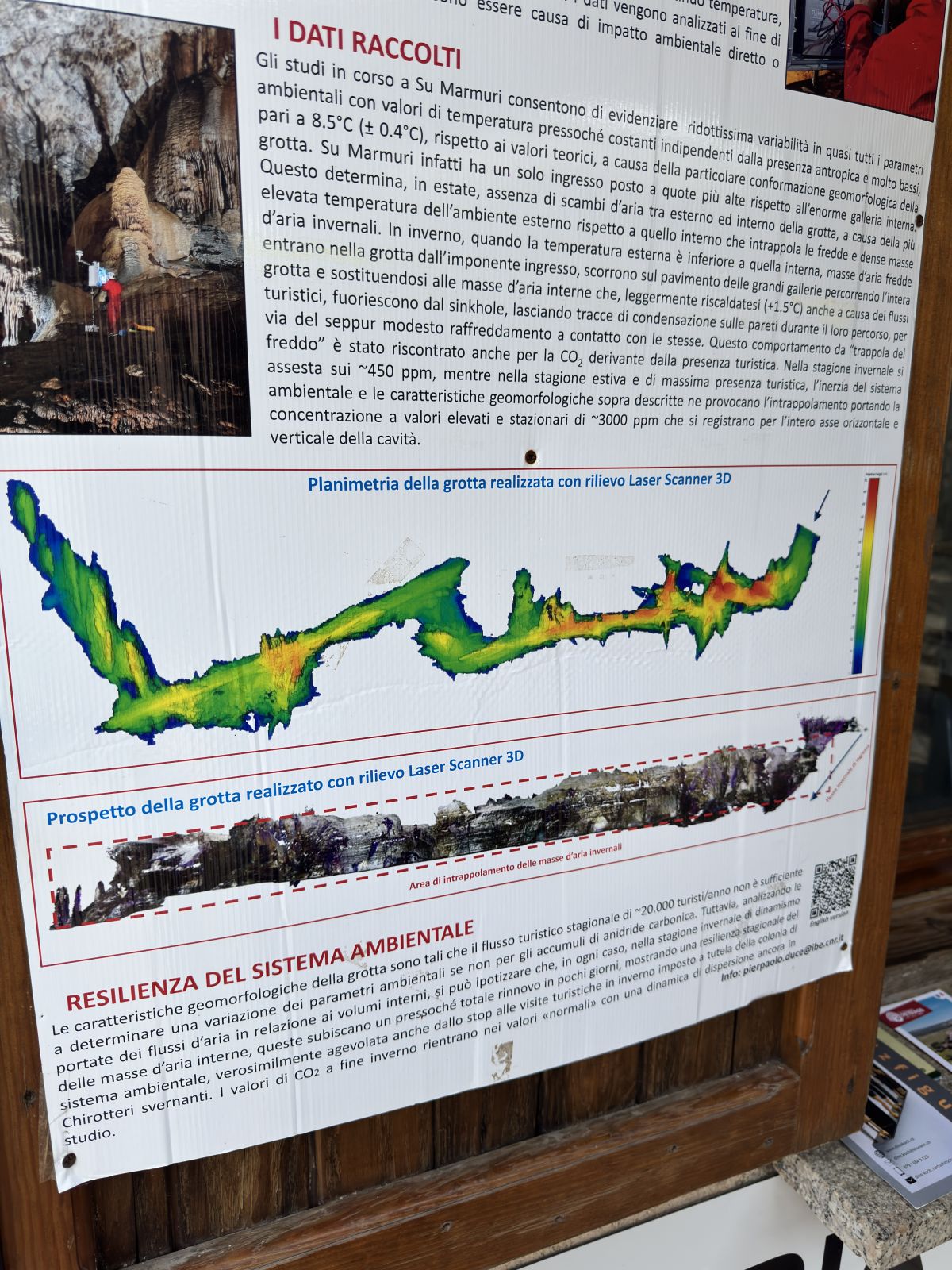
The thick darkness of Grotta Su Marmuri – experience the power of nature first-hand.
📍 Su Marmuri Cave
👁️ 218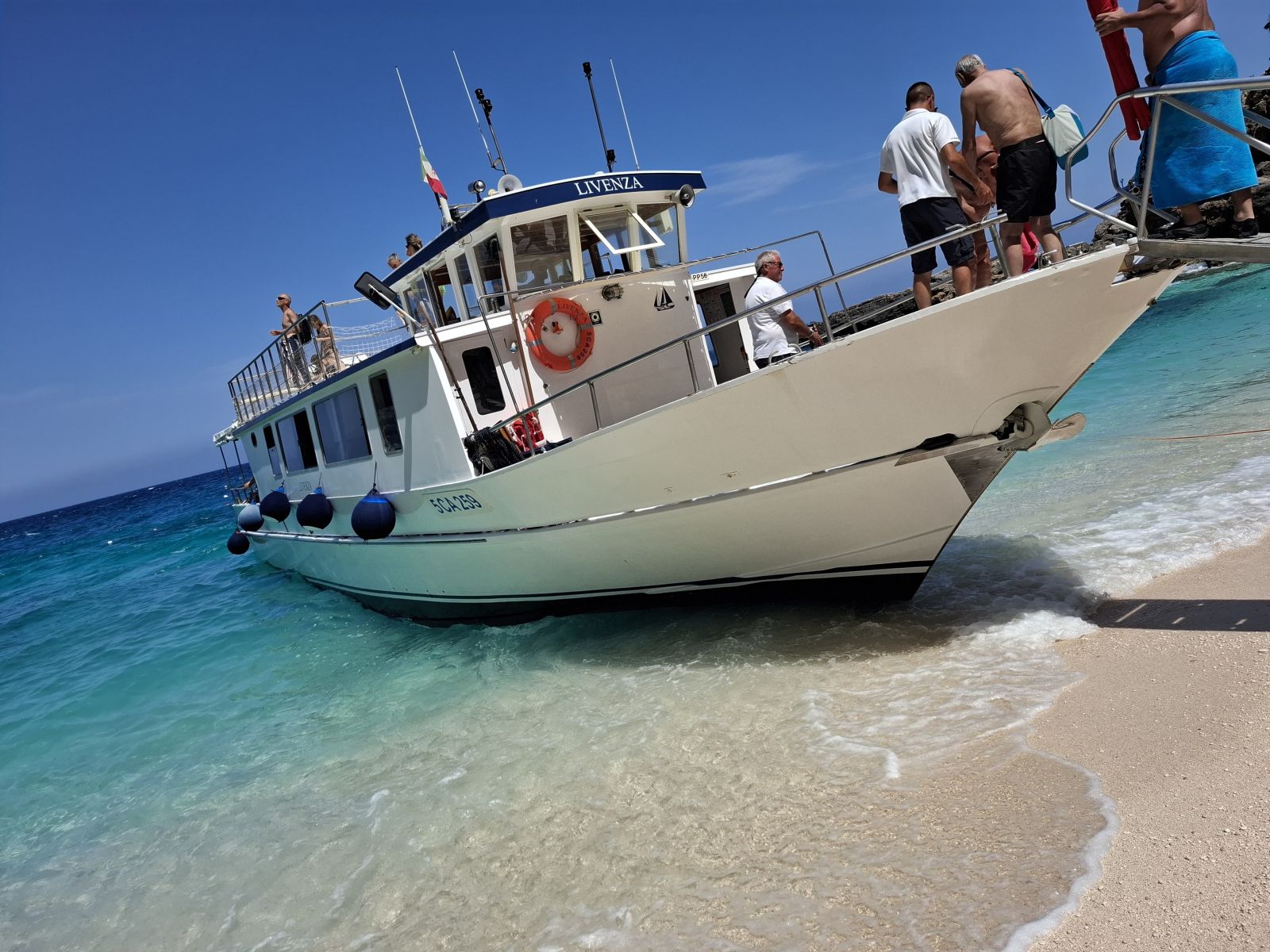
Orosei Bay: Dazzling blue, a feast on board and… a sudden cut
📍 Orosei Bay
👁️ 207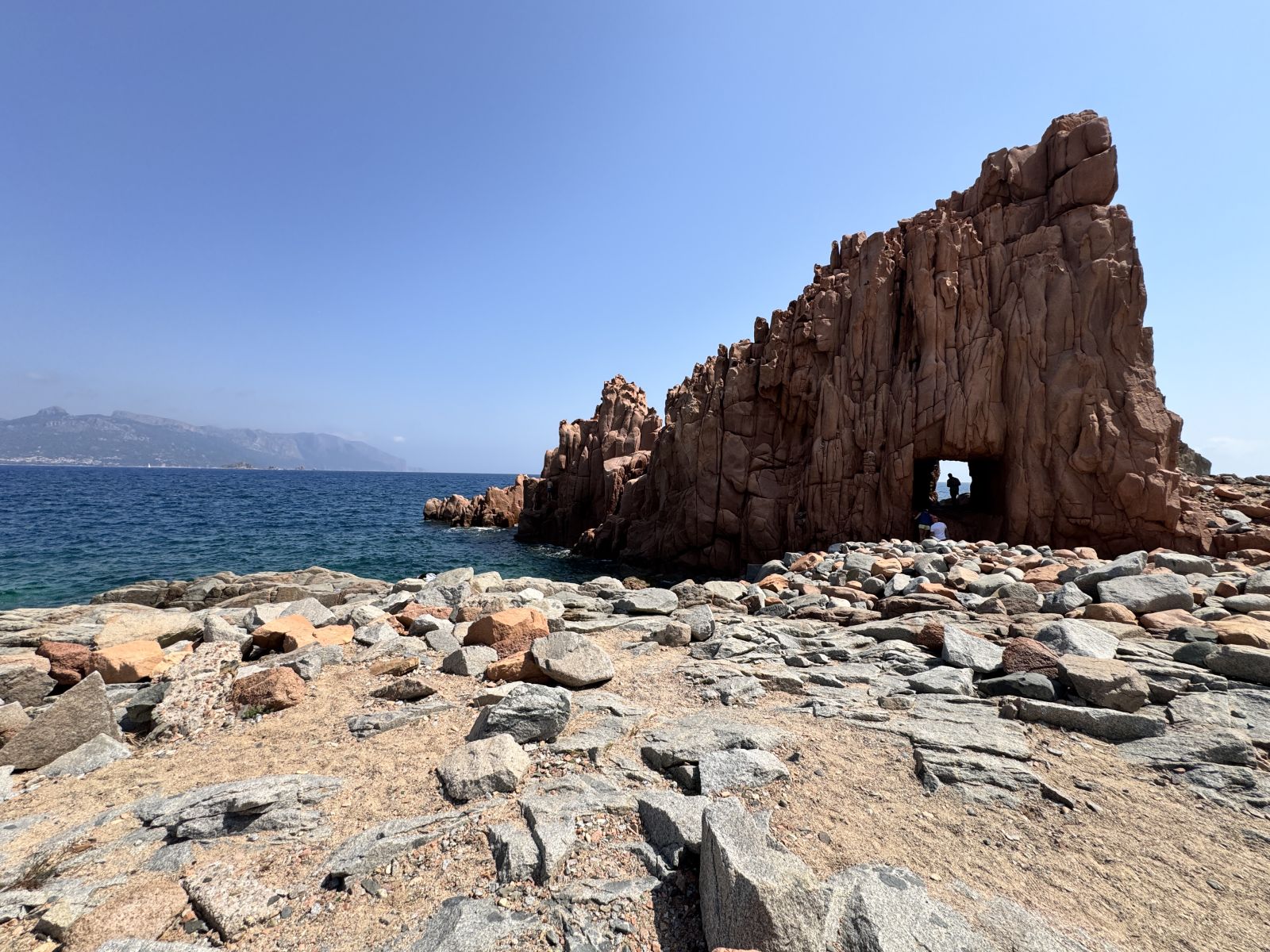
Bleeding rocks and stone altars by the sea
📍 Rocce Rosse in Arbatax
👁️ 178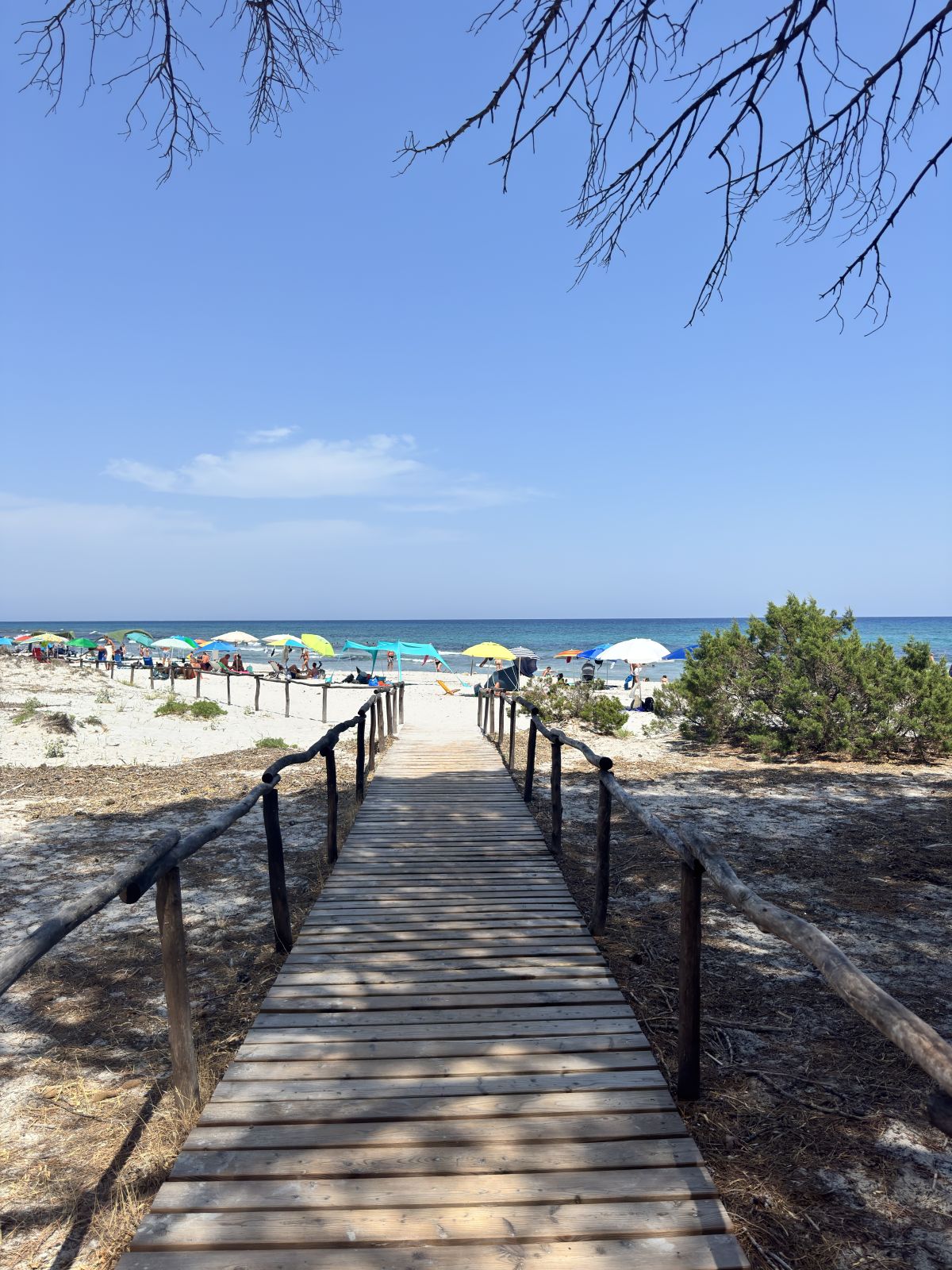
A prize guarded by nature at the end of the world
📍 Biderosa Oasis
👁️ 260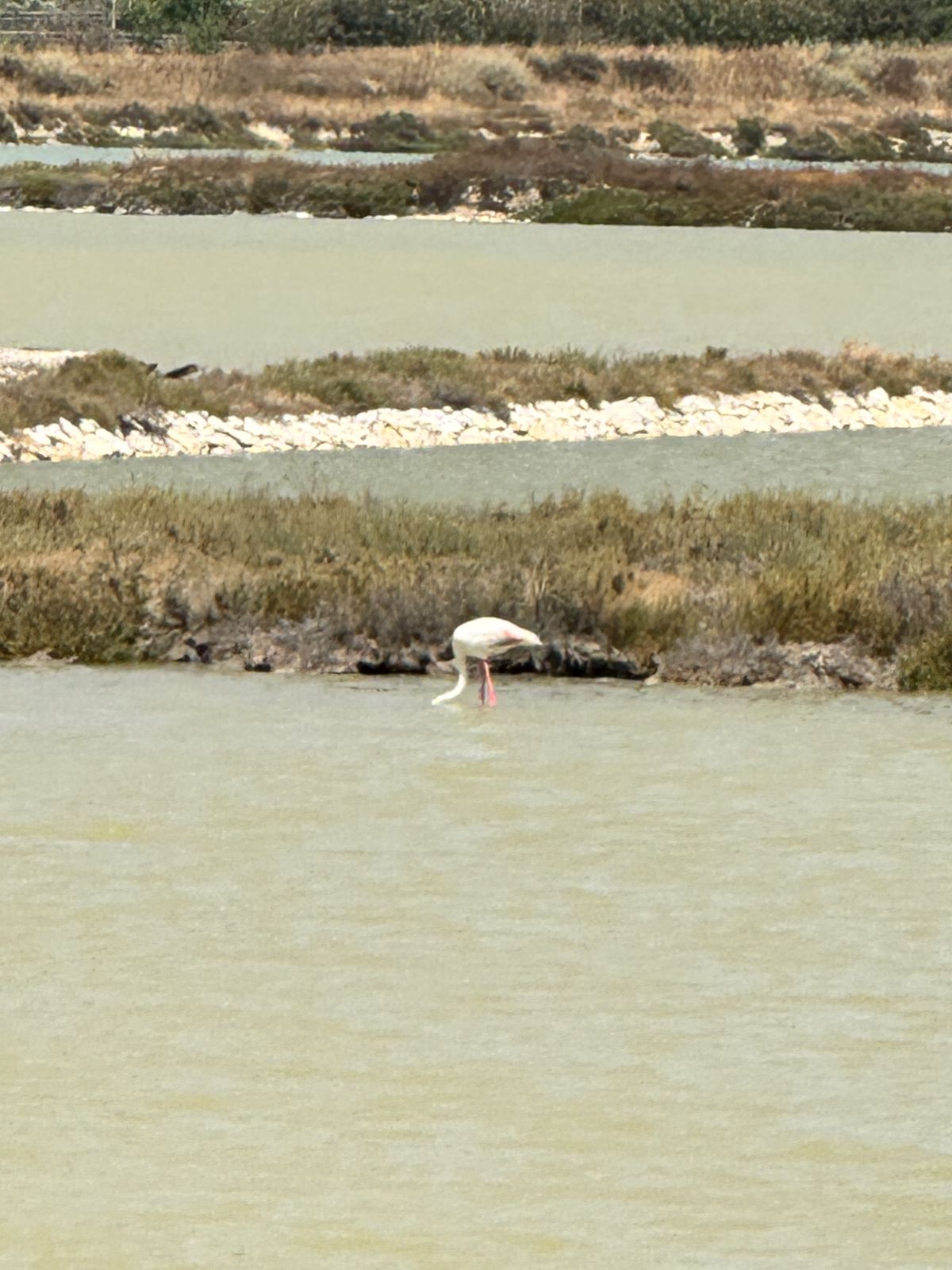
Parco Molentargius-Saline: City and Wilderness
📍 Quartu Sant'Elena – Cagliari
👁️ 202
Grotta Is Zuddas: When nature plays at being a sculptor, and you feel like giving up on the survival challenge
📍 Zuddas Cave
👁️ 343
Bases of operation with a mystery lurking in the background.
📍 Santa Maria Navarrese and Pula
👁️ 232